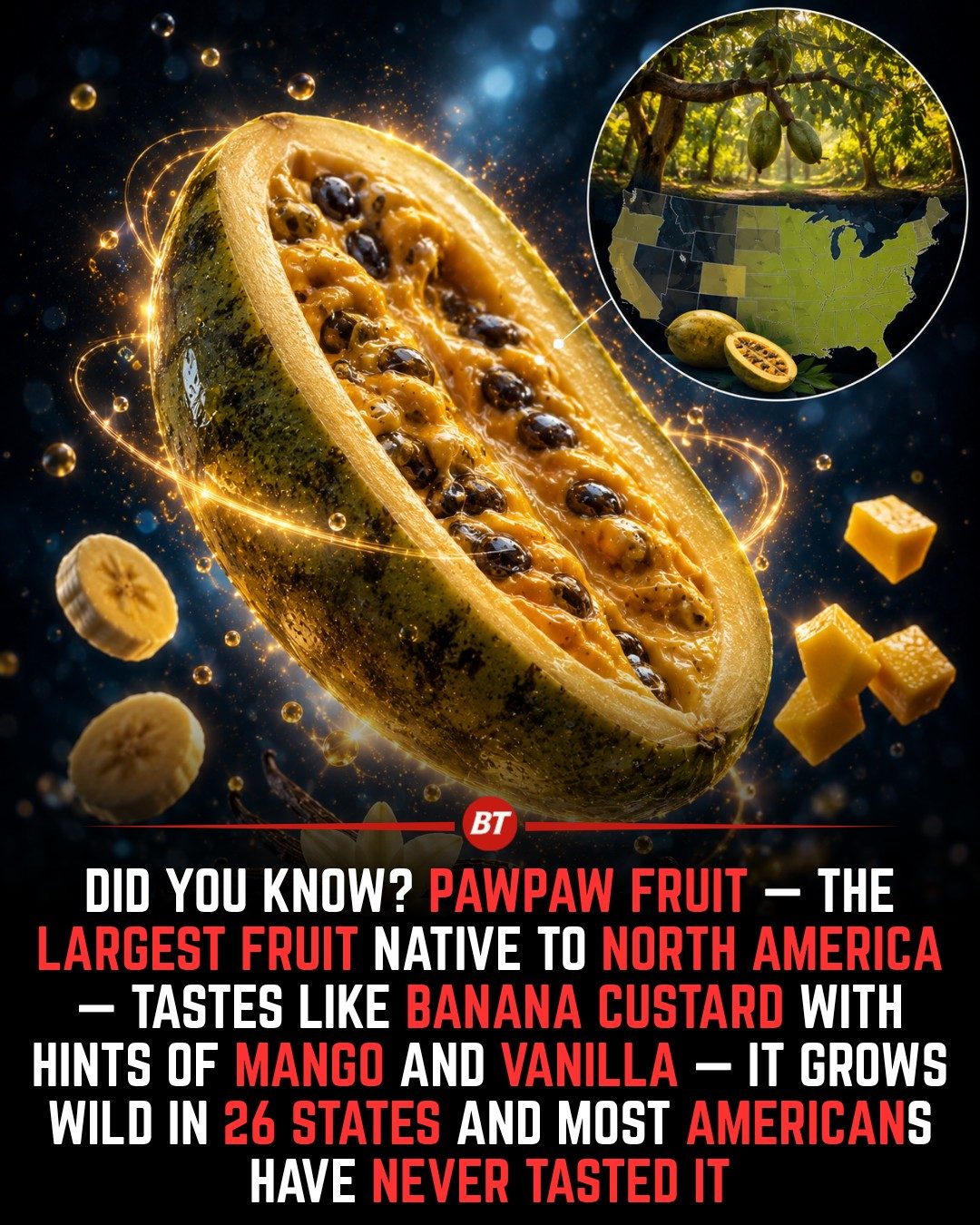
Pawpaw Fruit: The Largest Native Fruit of North America
Pawpaw fruit is a tropical-like delicacy that grows wild throughout North America. It's often described as a delightful blend of banana, mango and vanilla with hints of creamy custard.
Why This Matters
Pawpaws hold significance for several reasons: their unique taste, rich nutritional content, and historical and cultural relevance. Yet, many people in the United States are unaware of this fruit, despite its abundance in 26 states. This lack of awareness leads to a missed opportunity to enjoy a nutritious and delicious local fruit.
Exploring Pawpaw Fruit
Origin and Distribution
Pawpaws thrive in the wild across forests, riverbanks, and woodlands stretching from the Midwest to parts of the East Coast, including 26 states in total. Unlike many fruits, pawpaws are native to North America, and they've been part of the local diet for centuries. Native American tribes and early American explorers, such as Lewis and Clark, have enjoyed pawpaws when other food supplies were scarce.
Taste and Texture
The most distinctive feature of pawpaws is their unique taste. Many people describe the flavor as a rich blend of banana, mango, and vanilla, with a creamy custard-like texture. This tropical-like taste makes pawpaws a refreshing and exotic treat for those who discover them.
Nutritional Profile
Pawpaws are not only delicious but also packed with essential nutrients. They are naturally rich in vitamin C, magnesium, and potassium. Additionally, they contain antioxidant polyphenols and more protein than most commonly eaten fruits. These nutritional benefits make pawpaws a valuable addition to a healthy diet.
Scientific Interest
Scientists are also intrigued by the unique plant compounds found in pawpaws, known as acetogenins. These compounds are being studied for their biological activity in laboratory research. While the research is still in its early stages, the potential of these compounds makes pawpaws an exciting area of study.
Practical Tips for Enjoying Pawpaw Fruit
Where to Find Them
The challenge with pawpaws is that they don't travel well. Once ripe, they soften quickly, bruise easily, and spoil rapidly, making them difficult for supermarkets to stock. But that doesn't mean you can't enjoy them. Look for pawpaws at local farmers' markets, specialty orchards, or even growing wild during their short harvest season in late summer and early fall.
How to Enjoy
When you find fresh pawpaws, try to enjoy them soon after they ripen. The creamy flesh is delicious on its own, but you can also blend it into smoothies, yogurt, ice cream, or homemade desserts. This versatility makes pawpaws a fun and tasty ingredient to experiment with in the kitchen.
Important Takeaways
- Pawpaw fruit is the largest native fruit to North America, growing wild in 26 states.
- The unique taste of pawpaws is often described as a blend of banana, mango, vanilla, and creamy custard.
- Pawpaws are rich in essential nutrients like vitamin C, magnesium, and potassium, as well as protein and antioxidant polyphenols.
- The fruit is being studied for its unique plant compounds, acetogenins, which show promising biological activity in laboratory research.
- Pawpaws are best enjoyed fresh and can be found at local farmers' markets or growing wild during their short harvest season.
Conclusion
Pawpaw fruit offers a unique and delicious taste experience with a rich nutritional profile. Despite being native to North America and growing wild in many states, pawpaws remain largely unknown to most Americans. By seeking out this native fruit and incorporating it into your diet, you can enjoy a taste of the tropics while supporting local agriculture and benefiting from its nutritional advantages.
Watch the Reel
Questions readers ask
What makes the pawpaw fruit unique compared to other native North American fruits?
The pawpaw fruit stands out due to its large size, tropical-like taste, and creamy texture. Its flavor profile, a blend of banana, mango, and vanilla, is unlike any other native fruit in North America. Additionally, its abundance in 26 states makes it a unique and readily available local delicacy.
Which states can you find wild pawpaw fruits growing?
Wild pawpaw fruits grow abundantly in 26 states across North America. These states span from the Midwest to parts of the East Coast, with pawpaws thriving in forests, riverbanks, and woodlands.
What are the key nutritional benefits of consuming pawpaw fruit?
Pawpaw fruit is rich in essential nutrients, including vitamin C, which supports immune function, and magnesium and potassium, which are crucial for heart health and muscle function. These nutrients make pawpaw a valuable addition to a balanced diet.
How does the taste of pawpaw fruit compare to banana and mango?
Pawpaw fruit offers a unique tropical-like taste that combines elements of banana and mango, along with hints of vanilla and creamy custard. While it shares some similarities with bananas and mangoes, its flavor is distinct and often described as more complex and rich.
Can you grow pawpaw fruit in your backyard?
Yes, you can grow pawpaw fruit in your backyard if you live in a suitable climate. Pawpaws thrive in areas with well-drained soil and partial shade, similar to their natural forest habitat. They require a specific pollination process, so planting multiple trees can improve fruit yield.
What is the historical and cultural significance of the pawpaw fruit?
The pawpaw fruit has a rich historical and cultural significance, particularly among early Americans. It was a staple food for many Native American tribes and early settlers, valued for its nutritional content and easy availability. Despite its historical importance, the fruit remains relatively unknown to many people today.
What are the health benefits of pawpaw vitamin C, magnesium, and potassium?
The vitamin C in pawpaw supports immune function and overall health. Magnesium is essential for numerous bodily functions, including muscle and nerve function, blood sugar control, and blood pressure regulation. Potassium is crucial for heart health, muscle function, and maintaining proper fluid balance in the body.
Related deep dives
Similar reads based on topic and creator.




Recent articles
Fresh deep dives from the latest Reels we unpacked.




Comments
Be the first to comment.