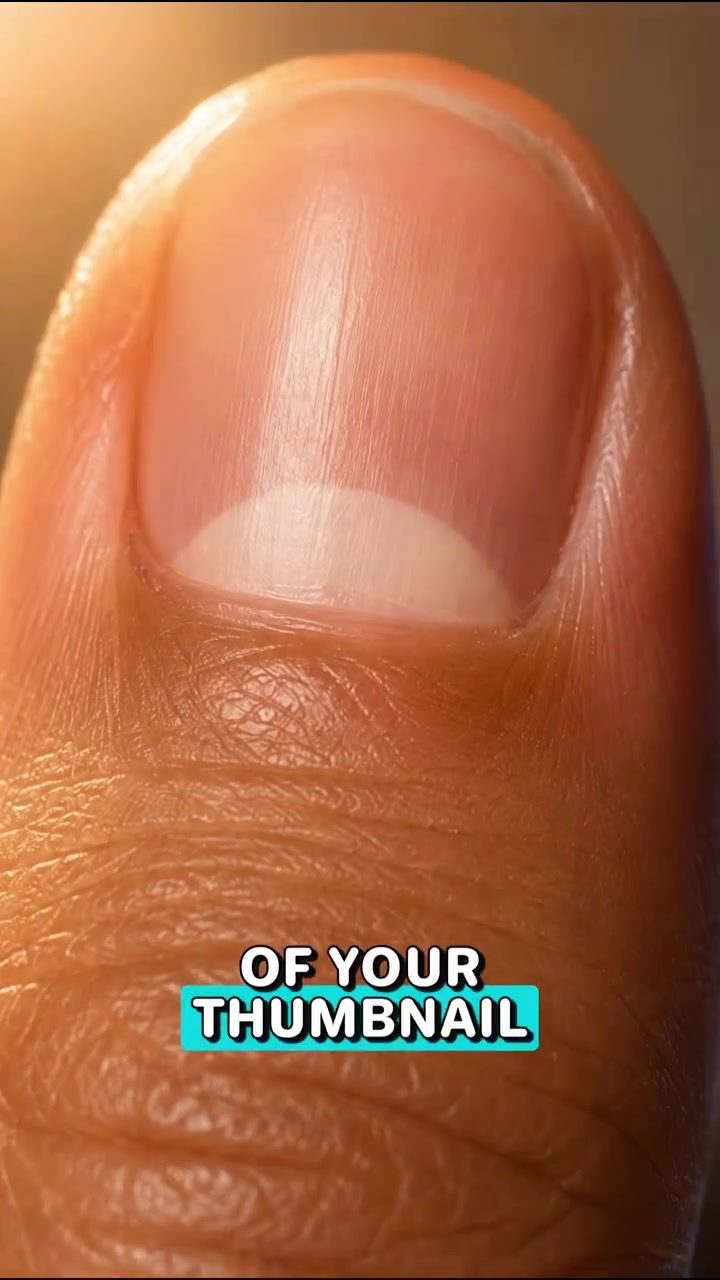
Nail Anatomy: Understanding the Lunula
The lunula, a pale crescent visible at the base of your fingernails, is more than just a cosmetic feature. It is a crucial component of your nail anatomy, playing a significant role in nail growth and health. Understanding the lunula can provide insights into your overall nail health and help you better care for your nails.
Why This Matters
Nails are not just cosmetic; they serve as indicators of overall health. The lunula, in particular, offers a window into the nail's growth process. By understanding what the lunula is and how it functions, you can better assess the health of your nails and take appropriate care.
The Lunula: Anatomy and Function
What is the Lunula?
The lunula is the visible, pale, half-moon-shaped area at the base of your fingernail. It is the only part of the nail matrix—the living tissue responsible for nail growth—that is visible from the outside. The lunula's appearance can vary from person to person, and even from finger to finger on the same person. It can be large, faint, or even invisible on some fingers, but these variations are typically normal.
The Role of the Lunula in Nail Growth
The lunula is a critical component of the nail matrix, which is the living tissue responsible for nail growth. This matrix is largely hidden beneath the skin, with the lunula being the only visible part. The cells in the nail matrix divide, fill with keratin—a protein that makes up nails, hair, and skin—and harden to form the hard nail plate. This process pushes the nail forward, leading to nail growth.
The Importance of Keratin
Keratin is a fibrous protein that plays a central role in nail health. It is the primary component of the nail plate, providing strength and resilience. The living cells in the nail matrix produce keratin, which then hardens and forms the visible part of the nail. The lunula, being part of the nail matrix, is filled with keratin, contributing to the overall strength and health of the nail.
Factors Affecting the Lunula
Variations in Lunula Size and Visibility
The size and visibility of the lunula can vary significantly. Some people may have large, prominent lunulae, while others may have faint or invisible ones. This variation is often normal and does not typically indicate any underlying health issues. However, significant changes in the appearance of the lunula can sometimes be a sign of underlying health conditions, such as nutritional deficiencies or circulation problems.
Changes in the Lunula
While variations in the lunula are generally normal, sudden changes in its appearance can sometimes be a sign of health issues. For example, a lunula that becomes more visible or changes color may indicate a nutritional deficiency or circulation problem. Similarly, a lunula that becomes less visible or disappears may be a sign of stress, trauma, or other health conditions.
Practical Tips for Nail Care
Maintaining Nail Health
Proper nail care is essential for maintaining the health of your nails and, by extension, the health of your lunulae. Here are some practical tips for keeping your nails healthy:
- Keep Nails Clean and Dry: Maintain good nail hygiene by keeping your nails clean and dry. This can help prevent infections and other nail issues.
- Avoid Trauma: Be gentle with your nails to avoid trauma, which can affect the nail matrix and, consequently, the lunula.
- Proper Nutrition: Ensure you have a balanced diet rich in proteins, vitamins, and minerals to support nail growth and health.
- Hydration: Stay hydrated to promote overall health, including nail health. Proper hydration can help maintain the integrity of the nail plate and the lunula.
When to Seek Professional Help
If you notice significant changes in the appearance of your lunulae, such as discoloration, thinning, or increased visibility, it may be a good idea to consult a healthcare professional. These changes can sometimes indicate underlying health issues that require medical attention. A dermatologist or a healthcare provider can help assess the condition of your nails and provide appropriate treatment if necessary.
Important Takeaways
- The lunula is the visible part of the nail matrix, which is responsible for nail growth.
- It is filled with keratin, a protein that hardens to form the nail plate.
- Variations in the size and visibility of the lunula are generally normal.
- Sudden changes in the lunula's appearance can sometimes indicate underlying health issues.
- Proper nail care, including good hygiene, gentle handling, and a balanced diet, is essential for maintaining nail health.
- If you notice significant changes in the appearance of your lunulae, consult a healthcare professional.
Conclusion
The lunula is a fascinating and important part of nail anatomy, offering insights into nail growth and health. By understanding what the lunula is and how it functions, you can better assess the health of your nails and take appropriate care. Whether you have prominent lunulae or barely visible ones, maintaining good nail hygiene and overall health can help ensure the continued health and strength of your nails.
Watch the Reel
Questions readers ask
What is the lunula and where can I find it on my nail?
The lunula is the pale, crescent-shaped area located at the base of your fingernails, near the cuticle. It is the visible part of the nail matrix, which is responsible for producing new nail cells and keratin. It is the primary indicator of nail health and growth.
Why is the lunula important for nail health?
The lunula plays a crucial role in nail growth and overall nail health. Its visibility can indicate how well your nails are functioning and growing. Additionally, it can signal any potential health issues, such as nutritional deficiencies or underlying health conditions.
What does it mean if my lunula is not visible?
If your lunula is not visible, it could indicate several things, including dehydration, nutritional deficiencies, or even more serious health issues. Consulting a healthcare professional can help determine the cause and appropriate steps to improve nail base health.
Can I improve the visibility of my lunula?
Yes, improving your overall nail care can enhance the visibility of your lunula. Staying hydrated, maintaining a balanced diet, and using nail-enhancing products can all contribute to the health and visibility of your lunula.
How does the lunula relate to nail growth?
The lunula is directly connected to the nail matrix, which produces new nail cells. By ensuring the health of the lunula, you can promote better nail growth and overall nail health. Regular nail care and a healthy lifestyle can support this process.
What are some nail growth tips related to the lunula?
To support nail growth through the lunula, focus on maintaining proper nail care. This includes keeping your nails clean and dry, avoiding harsh chemicals, and using moisturizers to keep your nails and cuticles hydrated. Additionally, a balanced diet rich in proteins, vitamins, and minerals can promote nail health.
Can nail enhancements affect the visibility of the lunula?
Yes, nail enhancements such as acrylic or gel nails can affect the visibility of the lunula. These enhancements can cover the lunula, making it harder to assess the health of your natural nail. Regular breaks from nail enhancements can help maintain the visibility and health of your lunula.
Related deep dives
Similar reads based on topic and creator.


Recent articles
Fresh deep dives from the latest Reels we unpacked.




Comments
Be the first to comment.