Low-Calorie Food Choices for Weight Management
Low-calorie foods are a game-changer for anyone aiming to manage their weight effectively. The key lies in choosing foods that are not only low in calories but also high in water, fiber, and essential nutrients, ensuring that you feel full and satisfied throughout the day. This approach helps in avoiding the pitfalls of overly restrictive diets that often lead to frustration and failure.
Why This Matters
Weight management isn't just about cutting calories; it's about making smart, sustainable choices that support overall health and well-being. By focusing on high-volume, nutrient-dense foods, you can enjoy more food while consuming fewer calories. This strategy keeps hunger at bay, making it easier to stick to your weight management goals.
Exploring Low-Calorie Foods
Low-Calorie Fruits
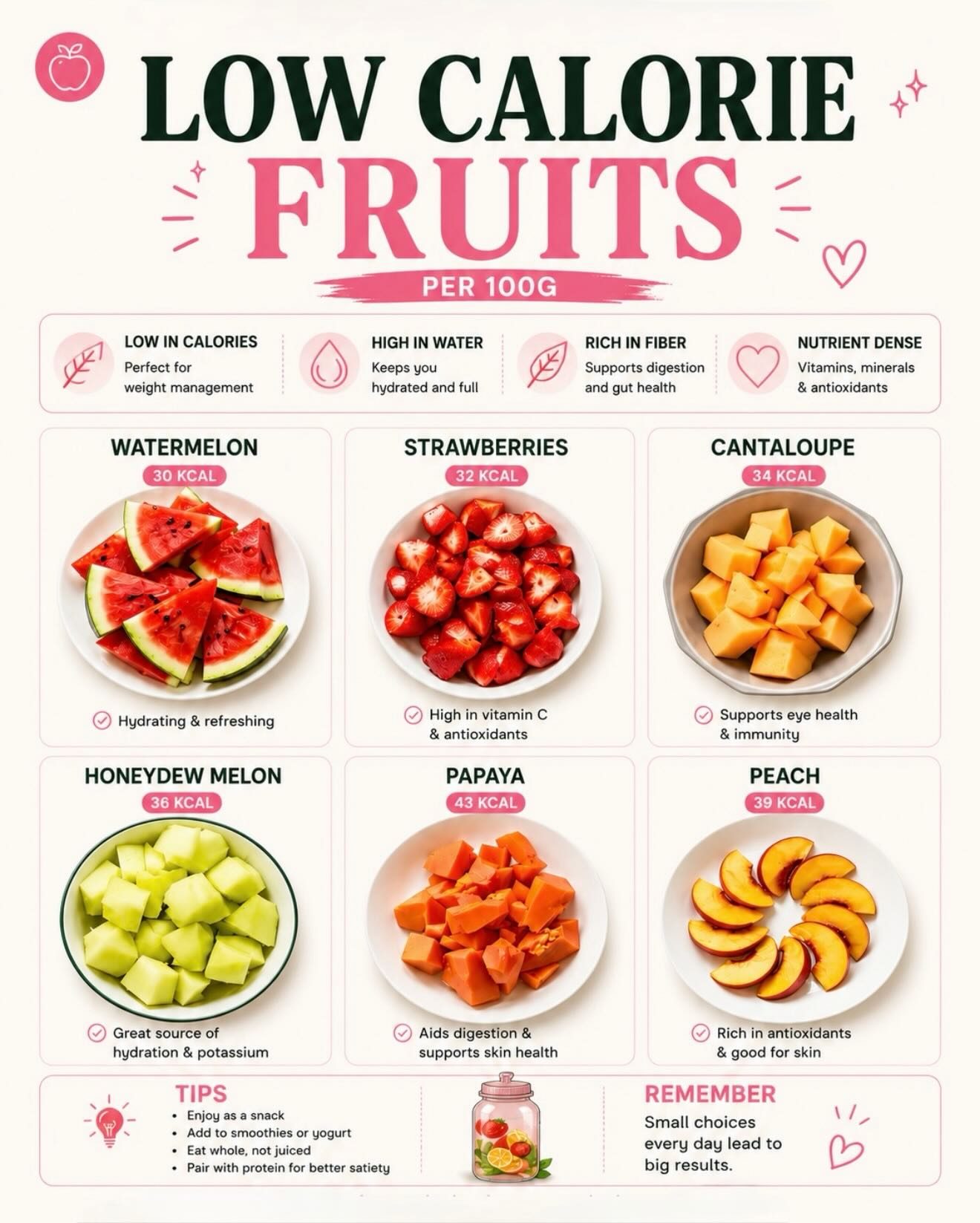
Fruits are nature's candy, offering a burst of flavor without the caloric guilt. Here are some of the best low-calorie fruits to include in your diet:
- Watermelon: At just 30 calories per 100 grams, watermelon is a refreshing choice packed with water, fiber, and vitamin C. It supports hydration, aids digestion, and boosts your immune system.
- Strawberries: These berries deliver only 32 calories per 100 grams and are rich in fiber, vitamin C, and antioxidants. They help manage weight, support skin health, and keep you hydrated.
- Cantaloupe: With 34 calories per 100 grams, cantaloupe is a great source of hydration and potassium. It aids digestion and supports immune health.
- Honeydew Melon: Similar to cantaloupe, honeydew melon offers 36 calories per 100 grams and is high in water and fiber.
- Papaya: Papaya provides 43 calories per 100 grams and is known for its digestive benefits. It's rich in antioxidants and vitamins C and A.
- Peaches: At 39 calories per 100 grams, peaches are a tasty option that supports eye health and skin.
Low-Calorie Vegetables
Veggies are the cornerstone of a low-calorie diet, providing volume, fiber, and essential nutrients without adding many calories. Here are some standout options:
- Cucumber: A mere 16 calories per 100 grams, cucumbers are perfect for weight management. They are high in water and fiber, helping to keep you hydrated and feeling full.
- Lettuce: At 15 calories per 100 grams, lettuce is a great filler for salads and sandwiches. It's low in calories and high in water, making it a satisfying choice.
- Zucchini: With 17 calories per 100 grams, zucchini is versatile and nutrient-dense. It supports digestion and keeps you hydrated.
- Spinach: This leafy green offers 23 calories per 100 grams and is packed with iron and other essential nutrients. It supports energy levels and immunity.
- Mushrooms: At 22 calories per 100 grams, mushrooms are a low-calorie source of protein and vitamins. They are satisfying and support digestion.
- Cauliflower: Cauliflower provides 25 calories per 100 grams and is rich in fiber and antioxidants. It supports heart health and overall well-being.
Lean Protein Sources
Protein is crucial for maintaining muscle mass and feeling full during a calorie deficit. Incorporating lean protein sources into your diet can help you achieve your weight management goals more effectively. Here are some excellent options:
- Egg Whites: At 52 calories per 100 grams, egg whites are a lean protein source that builds and repairs muscles.
- Shrimp: This seafood offers 99 calories per 100 grams and is low in fat. It's high in protein and selenium, supporting muscle growth and digestion.
- Tuna (in Water): With 116 calories per 100 grams, tuna is a lean protein source rich in omega-3 fatty acids. It supports heart health and overall wellness.
- Chicken Breast: This popular protein source provides 120 calories per 100 grams. It's packed with protein, vitamins, and minerals, making it a great choice for weight management.
- Turkey Breast: At 135 calories per 100 grams, turkey breast is a lean protein source that supports muscle growth and keeps you feeling full.
Practical Tips for Incorporating Low-Calorie Foods
Meal Planning
Building every meal around these key food types can make a significant difference in your weight management journey. Here’s a simple formula to follow:
- Build every meal around lean protein sources: This ensures you get the protein you need to maintain muscle mass and stay full.
- Fill half your plate with vegetables: This adds volume to your meals, supports digestion, and helps keep hunger under control.
- Add fruit for snacks or dessert: Fruits provide natural sweetness and a host of nutrients, making them a healthier alternative to processed sweets.
- Stay consistent, not perfect: Focus on making small, healthy choices every day, and celebrate your progress along the way.
Using Technology for Support
Apps like the Workit App can be incredibly helpful in staying on track with your weight management goals. These tools offer features like calorie tracking, macro calculators, personalized nutrition plans, and workout programs designed to make your journey simpler and more sustainable.
Staying Hydrated
Adequate water intake is essential for weight management. Aim for at least 2 liters of water daily to support hydration, digestion, and overall health.
Tracking Progress
Regularly monitoring your progress can help you stay motivated and make necessary adjustments. Tools like the Workit App can track your calorie intake, water consumption, and workout routines, providing a comprehensive overview of your health journey.
Important Takeaways
- Small, consistent choices lead to big results: Making small, healthy choices every day can add up to significant improvements in your overall health and weight management.
- High-volume, nutrient-dense foods keep you full: Focus on foods that are high in water and fiber to help you feel satisfied and avoid overeating.
- Lean protein sources are essential: Protein is crucial for maintaining muscle mass and feeling full during a calorie deficit.
- Use tools and apps for support: Apps like the Workit App can provide valuable tools and resources to help you stay on track and achieve your weight management goals.
Conclusion
Incorporating low-calorie, high-volume, and nutrient-dense foods into your diet can transform your weight management journey. By focusing on lean protein sources, fruits, and vegetables, you can enjoy more food while consuming fewer calories. Embrace small, consistent choices, and use available tools to support your journey. You'll find that fat loss becomes much easier when your meals are filling, nutritious, and enjoyable. Start today and celebrate the progress you make along the way.
Watch the Reel
Questions readers ask
What are some low-calorie foods that can help with weight management?
Some excellent choices include leafy greens like spinach and kale, which are high in fiber and water. Additionally, fruits like berries and apples, as well as lean proteins such as chicken and fish, can be beneficial. Non-starchy vegetables like broccoli and bell peppers are also great options, as they offer a satisfying crunch and plenty of nutrients.
How do low-calorie foods support weight management?
Low-calorie foods help manage weight by keeping you full and satisfied, preventing overeating. Foods high in water and fiber, such as fruits and vegetables, take up more space in your stomach, promoting a feeling of fullness with fewer calories.
Can low-calorie foods be part of a balanced diet?
Absolutely! Low-calorie foods are often nutrient-dense, providing essential vitamins and minerals. Incorporating them into your diet ensures you get a wide range of nutrients while managing your calorie intake. For example, a diet rich in leafy greens, lean proteins, and whole grains can be both satisfying and nutritious.
Are there specific nutrients that help in managing weight?
Certainly. Fiber, water, and protein are key nutrients that support weight management. Fiber-rich foods like whole grains and legumes help you feel full, while water-rich foods like cucumbers and watermelon are low in calories. Protein, found in lean meats and plant-based sources, helps maintain muscle mass and keeps you satisfied.
What are some tips for incorporating low-calorie foods into daily meals?
Start by adding more vegetables to your meals. Replace high-calorie snacks with fruits and vegetables. Incorporate lean proteins and whole grains into your meals. Consider using herbs and spices instead of sauces to flavor your food. Additionally, staying hydrated can help control hunger and ensure you're consuming enough water-rich foods.
Is it possible to lose weight without feeling hungry?
Yes, by focusing on low-calorie, high-volume foods, you can manage weight without feeling constantly hungry. These foods take up more space in your stomach, promoting satiety. Furthermore, foods with a high water and fiber content help keep you feeling fuller for longer, reducing the urge to snack.
Recent articles
Fresh deep dives from the latest Reels we unpacked.




Comments
Be the first to comment.