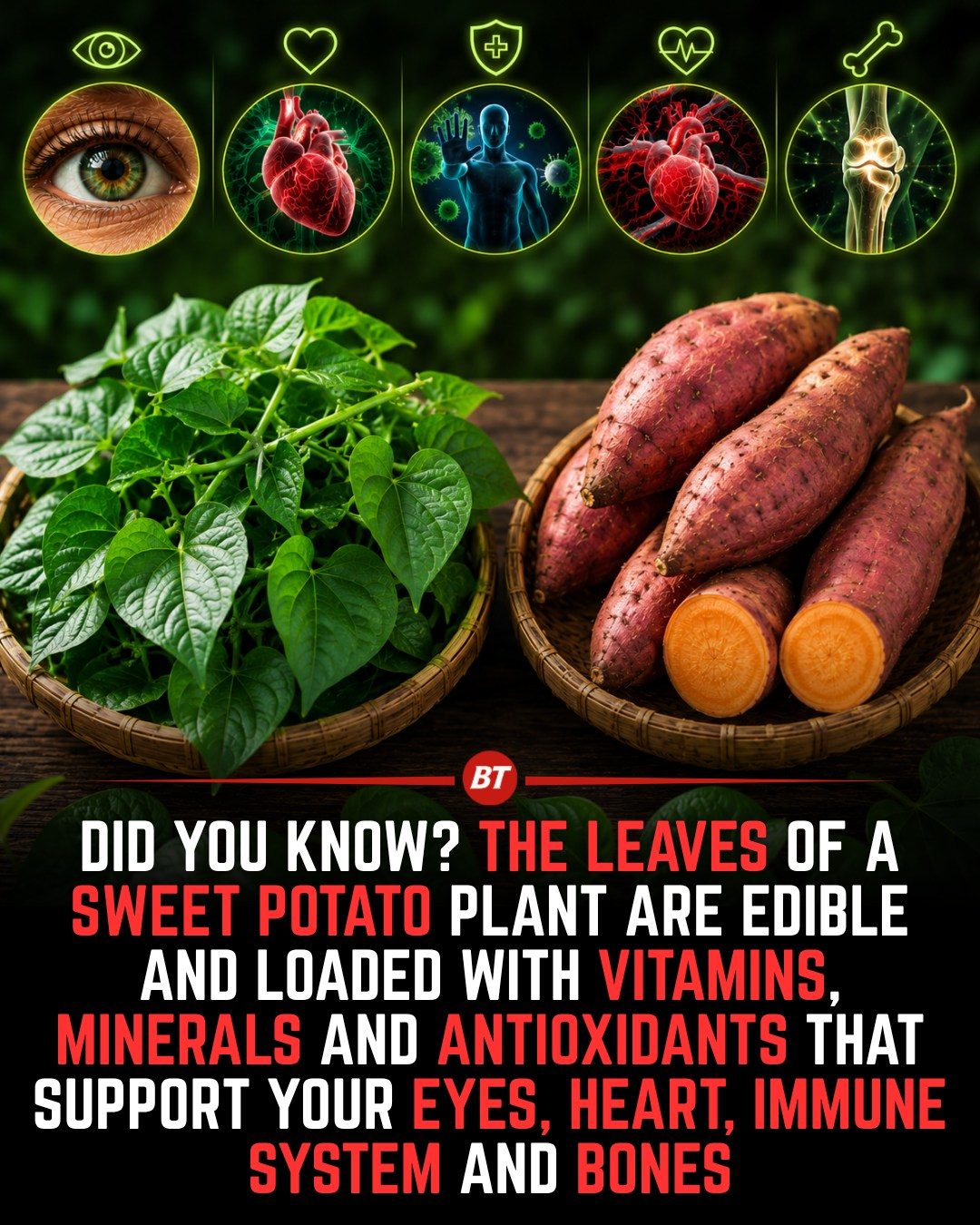
Sweet Potato Plant Leaves: A Nutritious Powerhouse
Sweet potato leaves, often overlooked and discarded, are a nutritional treasure trove. These leaves, edible and packed with essential vitamins, minerals, and antioxidants, support various aspects of health, including eye, heart, immune system, and bone health. This article delves into the benefits of sweet potato leaves, their nutritional content, and practical ways to incorporate them into your diet. This should not be treated as an educational piece, or as a lesson in the virtues of sweet potato leaves. It is an informative article on the nature and benefits of sweet potato leaves.
Why This Matters
Incorporating sweet potato leaves into your diet can significantly boost your nutritional intake. These leaves are a staple vegetable in many parts of Asia, Africa, and the Pacific Islands, where their health benefits have been recognized for generations. By embracing this often discarded part of the sweet potato plant, you can enhance your overall health and wellness.
The Nutritional Power of Sweet Potato Leaves
Vitamins and Minerals
Sweet potato leaves are rich in vitamins A, C, and K, along with folate, calcium, and iron. These nutrients are crucial for various bodily functions. Vitamin A supports eye health and immune function, while vitamin C aids in collagen production and immune support. Vitamin K is essential for blood clotting and bone health. Folate is vital for DNA synthesis and preventing neural tube defects in newborns. Calcium and iron are necessary for maintaining strong bones and preventing anemia, respectively.
Antioxidants
Sweet potato leaves contain antioxidant-rich polyphenols, flavonoids, and anthocyanins. These compounds help protect the body from oxidative stress and reduce the risk of chronic diseases. Beta-carotene and lutein, two potent carotenoids found in sweet potato leaves, are particularly beneficial for eye health. They help protect the eyes from oxidative stress and support healthy vision.
Heart Health
The flavonoids and anthocyanins in sweet potato leaves have been studied for their antioxidant and anti-inflammatory properties. These compounds may help protect blood vessels, support immune function, and contribute to long-term heart health by reducing oxidative damage. Additionally, the potassium in sweet potato leaves can help regulate blood pressure, further supporting heart health.
Practical Tips for Incorporating Sweet Potato Leaves into Your Diet
Incorporating sweet potato leaves into your meals is easier than you might think. Here are some practical tips to get you started:
Cooking Methods
Sweet potato leaves can be cooked in various ways, much like spinach. Here are a few methods to try:
- Sautéing: Lightly sauté sweet potato leaves with garlic and a bit of olive oil for a simple and flavorful side dish.
- Adding to Soups: Chop the leaves and add them to your favorite soups or stews for an extra nutritional boost.
- Steaming: Steam the leaves until tender and serve them as a side dish.
- Salads: Add raw or lightly sautéed sweet potato leaves to your salads for a nutrient-packed addition.
Recipe Ideas
Here are a few recipe ideas to inspire you:
- Garlic Sautéed Sweet Potato Leaves: Heat a pan with some olive oil, add minced garlic, and sauté until fragrant. Add the sweet potato leaves and cook until wilted. Season with salt, pepper, and a squeeze of lemon juice.
- Sweet Potato Leaf Soup: Add chopped sweet potato leaves to your favorite vegetable soup recipe. Simmer until the leaves are tender and the flavors have melded.
- Sweet Potato Leaf and Chicken Stir-Fry: Stir-fry chopped sweet potato leaves with chicken, vegetables, and your favorite stir-fry sauce. Serve over rice for a complete meal.
Important Takeaways
Sweet potato leaves are a nutritious and versatile addition to any diet. Here are some key takeaways to remember:
- Sweet potato leaves are packed with essential vitamins, minerals, and antioxidants.
- They support eye health, heart health, immune function, and bone health.
- Sweet potato leaves can be cooked in various ways, making them easy to incorporate into your meals.
- Adding sweet potato leaves to your diet can enhance your overall nutritional intake and support long-term health.
Conclusion
Sweet potato leaves are a valuable and often overlooked part of the sweet potato plant. Packed with essential nutrients and antioxidants, they offer numerous health benefits. By incorporating sweet potato leaves into your diet, you can enhance your nutritional intake and support overall health. Whether sautéed, added to soups, or steamed, sweet potato leaves are a versatile and delicious addition to any meal. Embrace this nutritional powerhouse and experience the health benefits for yourself.
Watch the Reel
Questions readers ask
What are the key vitamins found in sweet potato leaves?
Sweet potato leaves are particularly rich in vitamins A, C, and K. Vitamin A supports eye health, while vitamin C boosts the immune system. Vitamin K is essential for bone health and blood clotting.
How do sweet potato leaves support immune function?
Sweet potato leaves are packed with vitamin C and antioxidants, which help strengthen the immune system. Regular consumption can aid in fighting off infections and maintaining overall wellness.
Can sweet potato leaves improve bone health?
Yes, sweet potato leaves contain vitamin K and calcium, both of which are crucial for maintaining strong and healthy bones. Incorporating these leaves into your diet can support bone density and reduce the risk of osteoporosis.
What are the heart health benefits of sweet potato leaves?
Sweet potato leaves are a good source of antioxidants and potassium, which can help regulate blood pressure and reduce the risk of heart disease. The potassium in these leaves works to balance sodium levels, promoting better cardiovascular health.
Are sweet potato leaves safe to eat?
Sweet potato leaves are generally safe to eat. However, it's important to ensure they are properly cooked to improve digestibility and reduce the risk of any potential toxins. Always wash them thoroughly before use.
How can I incorporate sweet potato leaves into my diet?
Sweet potato leaves can be used in a variety of dishes. They can be sautéed, steamed, or added to soups and stews. You can also use them in salads or as a cooked vegetable side dish. Experiment with their taste and texture in different recipes.
What makes sweet potato leaves a better choice than other leafy vegetables?
Sweet potato leaves offer a unique combination of vitamins, minerals, and antioxidants. They are particularly high in vitamin A and K, making them beneficial for eye and bone health. Additionally, their slightly sweet and slightly bitter flavor can add depth to various dishes.
Related deep dives
Similar reads based on topic and creator.




Recent articles
Fresh deep dives from the latest Reels we unpacked.




Comments
Be the first to comment.