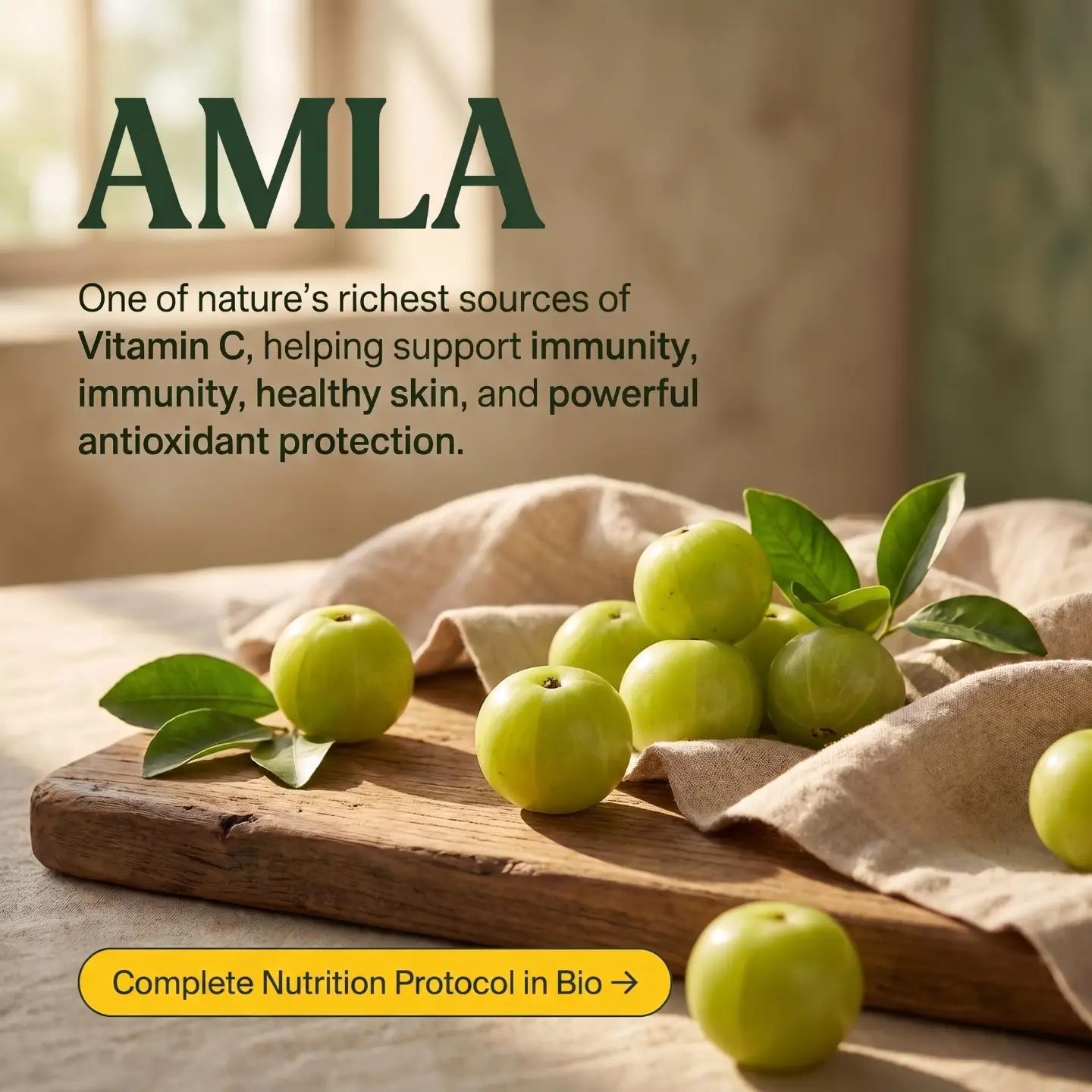
Amla: Nature's Powerhouse of Vitamin C and Antioxidants
Amla, also known as Indian gooseberry, is a small, tangy fruit that packs a powerful nutritional punch. It is renowned for being one of nature's richest sources of vitamin C, along with a host of antioxidants that offer numerous health benefits. These include supporting immunity, promoting healthy skin, and protecting cells from oxidative stress.
Why Amla Matters
Incorporating nutrient-rich foods like amla into a balanced diet can significantly boost overall health and wellness. Amla’s high vitamin C content and antioxidant properties make it an excellent addition to any diet, especially for those looking to enhance their immune system and improve skin health. The benefits of amla are not just limited to its nutritional value; it also plays a crucial role in traditional medicine systems, where it has been used for centuries to treat various ailments.
Historical and Cultural Significance
Amla has a rich history in traditional medicine, particularly in Ayurveda, the ancient Indian system of holistic healing. It is often referred to as a "superfood" due to its numerous health benefits. Amla is commonly used in various forms, including fresh, dried, and powdered, to make jams, pickles, and herbal supplements.
Nutritional Profile
Amla is a powerhouse of essential nutrients. It is particularly rich in:
-
Vitamin C: Amla contains one of the highest concentrations of vitamin C among fruits. Vitamin C is essential for immune function, collagen production, and iron absorption. This makes it a great choice for supporting overall health and addressing deficiencies in vitamin C, which can lead to various health issues.
-
Antioxidants: Amla is packed with antioxidants, which help protect the body from oxidative stress caused by free radicals. These antioxidants can reduce inflammation, slow down aging, and lower the risk of chronic diseases like cancer and heart disease.
-
Fiber: Amla is a good source of dietary fiber, which aids in digestion and helps maintain a healthy gut microbiome. It also contributes to feelings of fullness, which can be beneficial for weight management.
-
Minerals: Amla contains essential minerals like calcium, phosphorus, iron, and beta-carotene, which support bone health, energy production, and overall bodily functions.
Health Benefits
Amla’s nutritional profile translates into a range of health benefits. Some of the key benefits include:
Boosts Immunity
The high vitamin C content in amla helps strengthen the immune system, making it more effective in fighting off infections and diseases. Regular consumption of amla can help reduce the severity and duration of common colds and flu.
Promotes Healthy Skin
Vitamin C is crucial for collagen production, which is essential for maintaining skin elasticity and reducing the appearance of wrinkles. The antioxidants in amla also help protect the skin from damage caused by UV rays and environmental pollutants, promoting healthier and more youthful-looking skin.
Supports Digestive Health
The fiber content in amla aids in digestion and helps prevent constipation. It also supports a healthy gut microbiome, which is essential for overall health and well-being.
Reduces Inflammation
Amla’s anti-inflammatory properties can help alleviate symptoms of various inflammatory conditions, such as arthritis and asthma. Regular consumption of amla can reduce inflammation and improve overall health.
Protects Against Chronic Diseases
The antioxidants in amla help protect the body from oxidative stress, which can lead to chronic diseases like cancer and heart disease. Regular consumption of amla can lower the risk of these conditions and promote overall health and well-being.
Practical Tips
Here are some practical tips on how to incorporate amla into your diet:
Fresh Amla
Fresh amla can be consumed raw or used in various recipes. It has a tangy, sour taste that pairs well with sweet and spicy flavors. You can add it to salads, smoothies, or make a tangy chutney to accompany your meals.
Dried Amla
Dried amla is a convenient option that can be stored for longer periods. It retains most of its nutritional benefits and can be rehydrated before use. You can add dried amla to soups, stews, and curries for an extra nutritional boost.
Amla Powder
Amla powder is a versatile ingredient that can be added to smoothies, yogurt, and baked goods. It is a great way to incorporate the benefits of amla into your daily routine without the tangy taste.
Amla Supplements
For those who prefer a more convenient option, amla supplements are available in capsule and tablet form. These supplements provide a concentrated dose of amla’s beneficial compounds and can be easily incorporated into your daily supplement routine.
Amla Juice
Amla juice is another popular way to consume this superfood. You can make fresh amla juice by blending the fruit with water and straining the mixture. It can be consumed on its own or mixed with other fruits and vegetables for a nutritious drink.
Important Takeaways
- Amla is one of nature's richest sources of vitamin C and antioxidants, making it a potent supplement for overall health and wellness.
- Incorporating amla into your diet can support immune function, promote healthy skin, and protect against oxidative stress.
- Amla can be consumed in various forms, including fresh, dried, powdered, and as a supplement, making it easy to incorporate into your daily routine.
- The antioxidant and anti-inflammatory properties of amla can help reduce the risk of chronic diseases and support overall health.
Conclusion
Amla is a versatile and nutritious fruit that offers a wide range of health benefits. Rich in vitamin C and antioxidants, it supports immune function, promotes healthy skin, and protects against oxidative stress. By incorporating amla into your diet, you can enhance your overall health and well-being. Whether you prefer fresh amla, dried amla, amla powder, or supplements, there are numerous ways to enjoy the benefits of this powerful fruit.
Watch the Reel
Questions readers ask
What makes amla a superior source of vitamin C?
Amla is renowned for having one of the highest concentrations of vitamin C among natural sources, often exceeding that of many citrus fruits. This makes it an excellent choice for boosting your vitamin C intake.
How do the antioxidants in amla contribute to overall health?
The antioxidants in amla help combat oxidative stress, which is a significant factor in many chronic diseases. They protect cells from damage, promoting overall health and potentially reducing the risk of certain diseases.
Can eating amla improve my skin health?
Yes, the high levels of vitamin C and antioxidants in amla support collagen production and protect the skin from damage. Regular consumption of amla can lead to healthier, more youthful-looking skin.
What role does amla play in enhancing immunity?
Amla's rich vitamin C content and antioxidant properties support the immune system by protecting cells and enhancing the body's natural defenses. This can help the body better withstand infections and illnesses.
How can I incorporate amla into my daily diet?
Amla can be consumed fresh, dried, or in the form of powders, juices, or supplements. You can add it to smoothies, salads, or even use it in cooking to reap its health benefits.
Related deep dives
Similar reads based on topic and creator.



Recent articles
Fresh deep dives from the latest Reels we unpacked.




Comments
Be the first to comment.