Foods and Nutrition
Foods and nutrition are intricately linked to overall health, and what you consume plays a significant role in your body's performance and your mental state. Understanding the impact of different foods on your body and mind can help you make informed choices to support your goals, whether they involve weight loss, mental clarity, or overall well-being.
Context / Why this matters
What you feed your body is crucial to your overall health. This is not just about counting calories; it's about understanding the energy, mood, focus, recovery, and long-term results that different foods provide. By making mindful food choices, you can enhance your physical performance and mental clarity. Let's dive into the specifics of how different foods affect your body and mind.
Main discussion
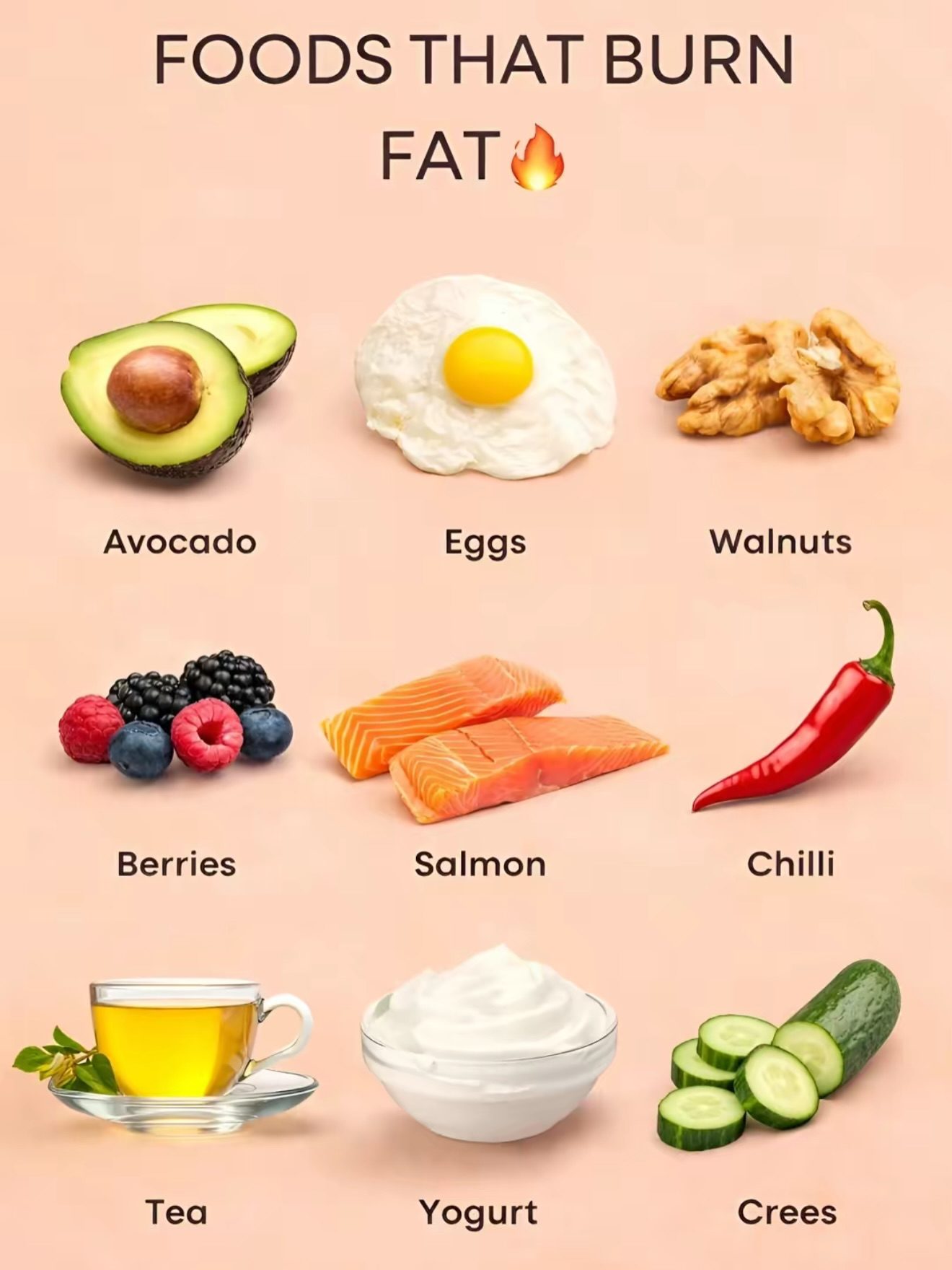
Foods that burn fat
These foods don't magically melt fat, but they help with satiety, stable blood sugar, and better recovery. These are typically high in protein, fiber, and healthy fats. Here are some examples:
- Avocado: Rich in healthy fats, avocados can keep you satiated and support heart health.
- Eggs: High in protein, eggs are versatile and can help with muscle recovery and growth.
- Walnuts: Packed with omega-3 fatty acids, walnuts support brain health and can help with weight management.
- Berries: Low in sugar and high in fiber, berries are an excellent choice for maintaining stable blood sugar levels.
- Salmon: Rich in omega-3s and lean protein, salmon supports heart health and helps with muscle recovery.
- Chilli: Spicy food can boost metabolism and aid in digestion.
- Tea: Contains antioxidants that can support digestive health and metabolism.
- Yogurt: High in protein and probiotics, yogurt supports gut health and helps with satiety.
- Crees: This is a mistake for "Cream" — dairy products can be rich in protein and fats but should be consumed in moderation.
Foods that can lead to weight gain
These foods are not inherently "evil," but they are hyper-palatable, easy to overeat, and low in nutrients. It's about frequency and portions, not restriction. Examples include:
- Sugar: High in empty calories and can lead to blood sugar spikes and crashes.
- Soda: High in sugar and artificial sweeteners, soda can lead to weight gain and other health issues.
- White Bread: Low in fiber and nutrients, white bread can lead to blood sugar spikes.
- Ice Cream: High in sugar and fat, ice cream is easy to overeat and can lead to weight gain.
- Chips: High in unhealthy fats and sodium, chips are easy to overeat and can lead to weight gain.
- Pastries: High in sugar and refined carbohydrates, pastries can lead to weight gain and blood sugar spikes.
- Alcohol: High in empty calories, alcohol can interfere with metabolism and lead to weight gain.
- Pizza: High in calories, sodium, and unhealthy fats, pizza is easy to overeat and can lead to weight gain.
- Fast food: Typically high in unhealthy fats, sodium, and calories, fast food can lead to weight gain and other health issues.
Foods that trigger anxiety
High sugar, high caffeine, and ultra-processed foods can lead to a nervous system overload. These foods can cause your heart to race and increase anxiety levels. It’s important to note your body’s response to these foods and adjust accordingly.
Foods that calm your mind
These foods support stable energy and a calmer nervous system. They are typically rich in omega-3s, magnesium, fiber, and slow carbs. Examples include:
- Avocado: Contains healthy fats and fiber, supporting brain health and a calm mind.
- Blueberries: Rich in antioxidants, blueberries support brain function and mental clarity.
- Salmon: High in omega-3s, salmon supports brain health and mental well-being.
- Banana: Contains potassium and magnesium, supporting nerve function and a calm mind.
- Chamomile tea: Has a calming effect and can help reduce anxiety and promote relaxation.
- Spinach: Rich in magnesium and folate, spinach supports brain health and mental clarity.
- Almonds: High in magnesium and healthy fats, almonds support brain health and a calm mind.
- Cherries: Contain antioxidants and melatonin, supporting sleep and mental clarity.
- Oatmeal: Rich in fiber and slow carbohydrates, oatmeal supports stable energy levels and a calm mind.
Practical tips
Nutritional Tracking
Tracking your nutritional intake is essential for achieving your health goals. Use tools like the Workit app to track your daily calorie intake, macronutrient breakdown, and progress toward your goals. This data-driven approach can help you make better choices and stay on track.
Portion Control
Portion control is crucial when it comes to maintaining a healthy weight and overall well-being. Pay attention to serving sizes and avoid overeating, especially with hyper-palatable foods.
Stay Hydrated
Drinking enough water is essential for maintaining energy levels, supporting digestion, and promoting overall health. Aim for at least 8-10 glasses of water per day.
Plan Your Meals
Meal planning can help you stay on track and make healthier choices. Plan your meals for the week, focusing on whole foods and balanced nutrition.
Mindful Eating
Pay attention to how your body responds to different foods. Note any changes in energy levels, mood, and overall well-being. This awareness can help you make better food choices and support your goals.
Combine Nutrition with Exercise
Combining a healthy diet with regular exercise can enhance your overall health and well-being. Aim for a balanced mix of both cardiovascular exercise and strength training.
Smart Training
Pairing your nutritional efforts with smart training can significantly enhance your physical and mental well-being. Consistent exercise can improve performance, mood, sleep, and body composition.
Important takeaways
Foods play a crucial role in shaping your body and mind. Opting for nutrient-dense foods that support your goals can improve your overall health and well-being. Paying attention to how your body responds to different foods and making mindful choices can help you achieve your goals and maintain a balanced lifestyle.
Conclusion
Nutrition is a vital component of a healthy lifestyle. Understanding how different foods affect your body and mind can help you make informed choices and support your goals. Be mindful of what you eat, track your nutritional intake, and stay consistent with your efforts. Your body and mind will thank you for it.
Watch the Reel
Questions readers ask
How does food influence my mood and mental clarity?
Food plays a critical role in regulating your mood and mental clarity. Foods rich in omega-3 fatty acids, antioxidants, and vitamins can improve cognitive function and stabilize mood. Conversely, consuming too much sugar or processed foods can lead to energy crashes and mood swings, negatively impacting your mental state.
What are some of the best foods for weight loss?
Incorporating foods high in protein and fiber can support weight loss goals. These include lean meats, fish, whole grains, fruits, and vegetables. Protein helps build and repair tissues, while fiber promotes feelings of fullness, reducing overall calorie intake. Additionally, staying hydrated and limiting processed foods and sugars can aid in weight management.
How does daily nutrition routine affect my overall health?
Maintaining a consistent daily nutrition routine ensures your body receives a balanced mix of nutrients. This includes adequate protein for muscle repair, carbohydrates for energy, and healthy fats for brain function. A regular routine also helps regulate metabolism, promote better sleep, and enhance overall performance throughout the day.
Can certain foods boost my energy levels?
Yes, certain foods are known for their energy-boosting properties. Foods rich in complex carbohydrates, like whole grains and legumes, provide sustained energy. Additionally, foods high in protein and healthy fats, such as nuts, seeds, and avocados, can help maintain steady energy levels. Staying hydrated is also crucial for optimal energy.
What role do calories play in mood regulation?
Calories are a key factor in how your body produces energy, which directly impacts your mood. Insufficient calorie intake can lead to fatigue and irritability, while consuming too many calories, especially from unhealthy sources, can cause lethargy and mood swings. Balancing your daily calorie intake with nutrient-dense foods can help stabilize your mood and energy levels.
How can I use nutrition to improve my performance?
To enhance physical performance, focus on consuming a mix of macronutrients. Carbohydrates should be your primary source of energy, especially before workouts. Protein is essential for muscle recovery and repair, and healthy fats support overall body function. Timing your meals and snacks around your activities can also optimize performance and recovery.
What foods can help calm my mind?
Foods rich in tryptophan, an amino acid that helps produce serotonin, can promote mental calmness. Examples include turkey, eggs, and cheese. Foods high in magnesium, like leafy greens and nuts, can also reduce anxiety and improve sleep. Including these in your diet can support better mental well-being and clarity.
Recent articles
Fresh deep dives from the latest Reels we unpacked.




Comments
Be the first to comment.