Reinforced Gabion Mesh: Versatile and Robust Engineering Solutions
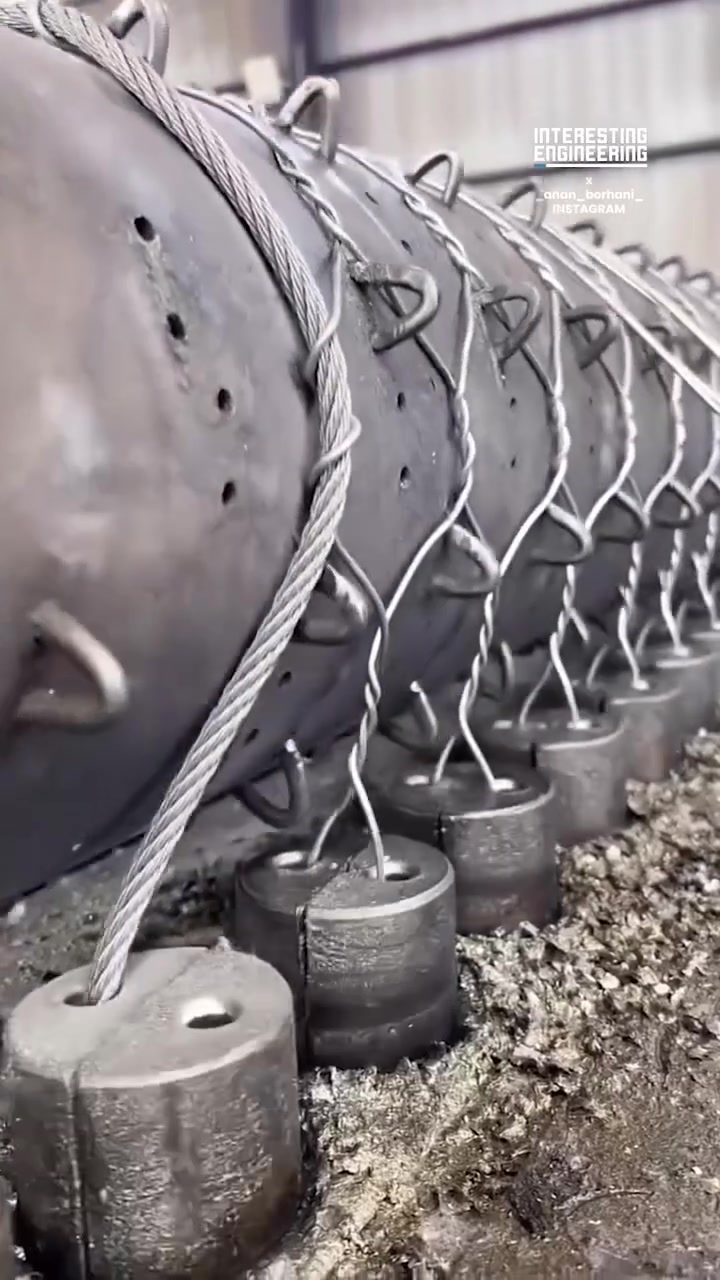
Reinforced gabion mesh is a versatile and durable industrial product, crafted by twisting high-tensile steel wires around a forming drum. This process creates a flexible, diamond-patterned mesh that is renowned for its strength and adaptability. We will explore the manufacturing process, applications, the benefits of gabion mesh, and its crucial role in various engineering projects.
Why This Matters
Understanding the engineering behind reinforced gabion mesh is essential for engineers and professionals in industries such as construction, geotechnical engineering, and environmental management. This mesh is designed to withstand harsh conditions, making it ideal for projects requiring long-lasting performance and durability in challenging environments.
Manufacturing and Structural Integrity
The Twisting Process
The manufacturing of reinforced gabion mesh begins with the twisting of high-tensile steel wires around a forming drum. This technique ensures the creation of a durable, flexible diamond pattern mesh. The twisting process is critical as it enhances the structural integrity of the mesh, making it capable of withstanding significant loads and stresses.
Material Properties
High-tensile steel wires are chosen for their exceptional strength and durability. These wires are resistant to corrosion and can endure extreme environmental conditions, making them perfect for demanding applications. The flexibility of the mesh allows it to conform to various shapes and contours, which is particularly useful in erosion control and rockfall protection systems.
Design and Structure
The double-twisted diamond mesh structure provides excellent tensile strength and stability. This design ensures that the mesh can withstand the forces exerted by soil, rocks, and other debris, making it a reliable choice for protective barriers and fencing.
Applications in Engineering
Strong Fencing
One of the primary applications of reinforced gabion mesh is in constructing sturdy fencing. Its high tensile strength and flexibility make it an ideal material for perimeter fencing in industrial sites, construction areas, and other secure locations. The mesh can be easily assembled and adapted to different terrains and configurations, providing a robust and durable barrier.
Rockfall Protection
In areas prone to rockfall, reinforced gabion mesh serves as an effective protection system. It can be used to create barriers that catch falling rocks, preventing them from causing damage to infrastructure and personnel. The strength and flexibility of the mesh ensure that it can absorb the impact and distribute the force, minimizing the risk of structural failure.
Erosion Control
Erosion control is another critical application of reinforced gabion mesh. In areas with unstable slopes or heavy rainfall, the mesh helps to stabilize the soil and prevent erosion. It can be used to create retaining walls, gabion baskets, or other structures that hold soil in place, reducing the risk of landslides and other erosion-related issues.
Practical Tips for Installation
Site Preparation
Before installing reinforced gabion mesh, it is essential to prepare the site thoroughly. This includes clearing the area of debris, leveling the ground, and ensuring that the surface is stable. Proper site preparation helps to maximize the effectiveness of the mesh and ensures that it performs as intended.
Assembly Techniques
When assembling the mesh, follow the manufacturer's guidelines to ensure proper installation. This includes securing the mesh with appropriate anchors and supports, ensuring that the connections are tight and secure. Proper assembly techniques are crucial for maintaining the structural integrity of the mesh and preventing failure.
Maintenance and Inspection
Regular maintenance and inspection are essential for the long-term performance of reinforced gabion mesh. Inspect the mesh periodically for signs of wear, damage, or corrosion. Address any issues promptly to maintain the mesh's effectiveness and ensure its longevity.
Important Takeaways
Reinforced gabion mesh is a versatile and robust engineering solution, crafted from high-tensile steel wires. Its double-twisted diamond mesh structure provides exceptional strength and flexibility, making it ideal for strong fencing, rockfall protection, and erosion control systems. Proper installation, site preparation, and regular maintenance are crucial for maximizing the performance and longevity of the mesh.
Conclusion
Understanding the engineering and applications of reinforced gabion mesh is invaluable for professionals in various industries. Its durability, flexibility, and strength make it an ideal choice for demanding projects, such as strong fencing, rockfall protection, and erosion control. By following best practices for installation and maintenance, you can ensure that reinforced gabion mesh performs effectively and lasts for many years.
Watch the Reel
Questions readers ask
What materials are used to create reinforced gabion mesh?
Reinforced gabion mesh is primarily made from high-tensile steel wires. These wires are twisted together to form a strong, flexible structure, ensuring durability and resilience in various industrial applications.
What is the significance of the diamond pattern in gabion mesh?
The diamond pattern in gabion mesh is designed to enhance its strength and flexibility. This pattern allows the mesh to adapt to different shapes and surfaces while maintaining its structural integrity, making it suitable for a wide range of engineering projects.
How is gabion mesh manufactured for industrial use?
The manufacturing process involves twisting high-tensile steel wires around a forming drum to create a flexible, diamond-patterned mesh. This process ensures that the mesh is both durable and adaptable, making it ideal for challenging industrial applications.
What are the primary applications of gabion mesh in industrial settings?
Gabion mesh is commonly used for erosion control, protective fencing, and various engineering projects. Its durability and adaptability make it suitable for applications requiring long-lasting performance in harsh conditions.
Why is high-tensile steel wire preferred for gabion mesh construction?
High-tensile steel wire is preferred due to its exceptional strength and resistance to deformation. This material ensures that the gabion mesh can withstand significant loads and environmental stressors, making it a reliable choice for industrial use.
What are the benefits of using flexible gabion mesh in geotechnical engineering?
Flexible gabion mesh offers several benefits, including adaptability to uneven surfaces and the ability to conform to complex shapes. This flexibility, combined with its strength, makes it an excellent choice for retaining walls, slope stabilization, and other geotechnical applications.
How does gabion mesh contribute to erosion control in environmental management?
Gabion mesh is effective in erosion control by stabilizing soil and preventing water runoff. Its durable structure helps to maintain the integrity of the soil, reducing the risk of erosion and protecting the environment from degradation.
Related deep dives
Similar reads based on topic and creator.

Recent articles
Fresh deep dives from the latest Reels we unpacked.




Comments
Be the first to comment.