Chicken Processing and Chlorine Washing
Chlorine-washing is a common practice in the United States' chicken processing industry. But what is it, and why is it controversial?
Why This Matters
Chicken is a staple in many households, but the methods used to process it can significantly impact both its safety and nutritional value. Chlorine washing is a common practice in the US that involves using chlorine to clean chickens during processing. Understanding this process and its implications can help consumers make more informed decisions.
The Process: What is Chlorine-Washing?
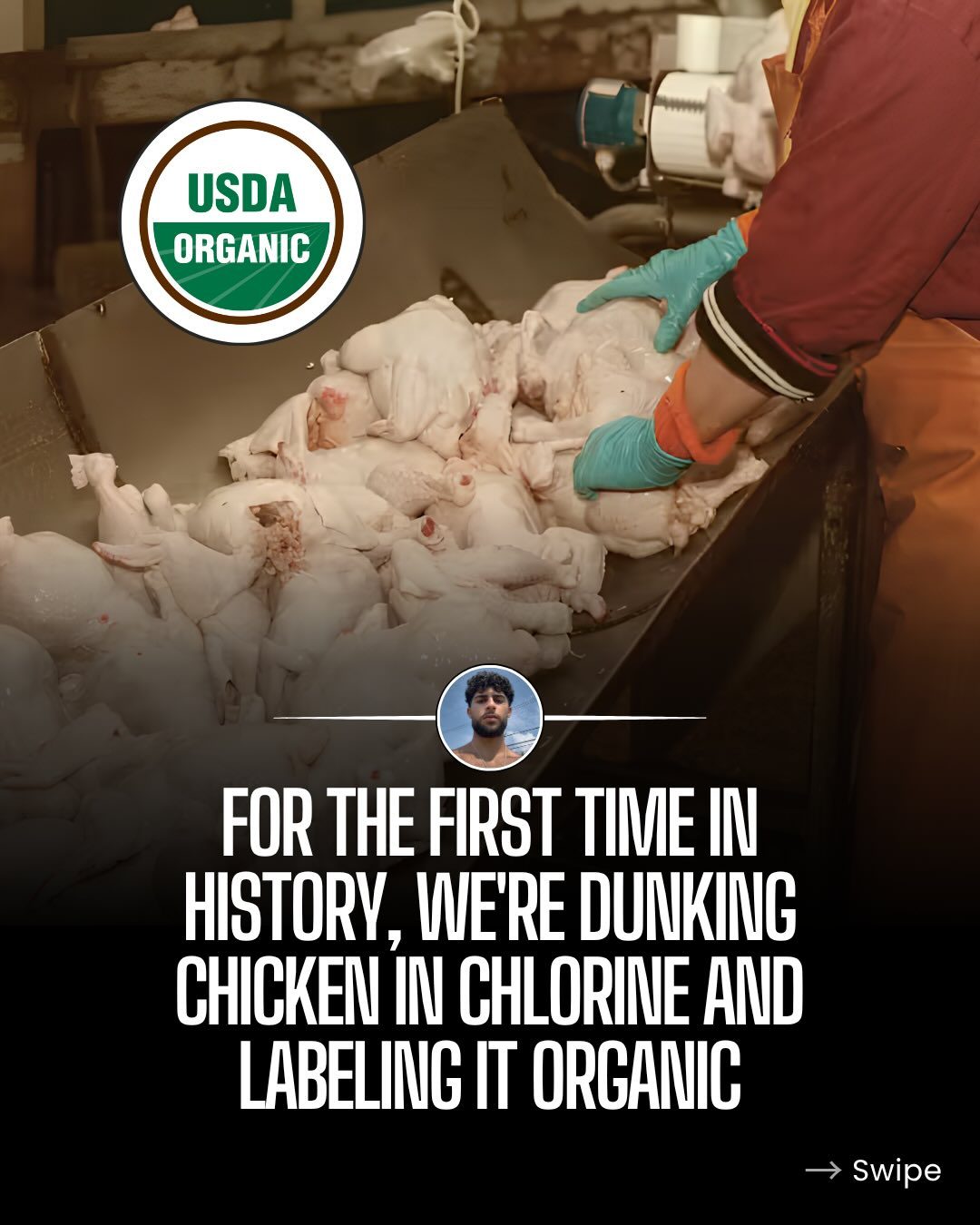
Chlorine washing, also known as chlorine-treated chicken, involves bathing chickens in chlorine during processing. This method is used to reduce bacteria such as salmonella, which can spread quickly when thousands of birds are processed together in industrial farms. While chlorine is an effective disinfectant, it's the same chemical used in swimming pools, which raises concerns for some consumers.
Why is Chlorine-Washing Controversial?
Chlorine washing is a controversial practice in the US, especially because it is legal to label chlorine-washed chickens as "organic" — even though many consumers might not realize it.
USDA Regulations
The USDA oversees the regulations for chicken processing in the United States. Industrial farms typically process thousands of birds at once. If one bird carries a pathogen, such as salmonella, it can spread to the entire batch. The chlorine rinse is used to reduce the risk of contamination, but it means that the chickens are exposed to a chemical bath that some consumers find concerning.
The European Union's Stance
In contrast, the European Union has banned chlorine-washed chicken. Instead, they focus on stricter hygiene standards throughout the supply chain. This approach aims to prevent contamination at every step, rather than relying on a chemical rinse at the end of the process. The ban reflects a broader trend in Europe towards more stringent food safety and processing standards.
Disclosure Issues
One of the biggest frustrations for consumers is the lack of disclosure. Processors are not required to inform consumers about the use of chlorine, making it difficult for buyers to know if they are purchasing chlorine-washed chicken. This lack of transparency can mislead consumers, especially those looking for organic or chemical-free options.
Health Concerns
Chlorine is a strong chemical used to kill bacteria, but its residues can remain on the chicken. Some consumers are concerned about the potential health risks of consuming chlorine-washed chicken. While the USDA maintains that the levels are safe, the lack of transparency and the presence of a chemical residue can be a turn-off for many.
The Debate: Organic vs. Chlorine-Washed
Many consumers pay a premium for organic chicken, assuming it is free from chemicals and processed with higher standards. However, the reality is that many organic chickens are also chlorine-washed. This discrepancy can be confusing and frustrating for consumers who prioritize organic products.
What Makes a Chicken Organic?
Understanding what makes a chicken organic can help consumers navigate this issue. Organic certification typically means that the chicken was raised without the use of certain chemicals, antibiotics, and has access to outdoor spaces. However, the processing methods, including the use of chlorine, are not always covered under organic standards.
The Impact on the Chicken Industry
The use of chlorine washing has become a hot topic in the chicken industry. Some companies advocate for stricter hygiene standards and the elimination of chlorine, while others defend it as a necessary measure to ensure food safety. The debate highlights the complex nature of the food industry and the challenges of balancing safety, cost, and consumer expectations.
Alternatives: Air-Chilled and Pasture-Raised
For consumers looking for cleaner, more ethically processed chicken, there are alternatives. Air-chilled and pasture-raised chickens are often processed with different methods that avoid the use of chlorine. These chickens are cooled in cold chambers instead of chemical tanks, reducing the risk of contamination and chemical residue. Additionally, pasture-raised chickens often have higher animal welfare standards, which can be a significant factor for many consumers.
Finding Cleaner Chicken
To find cleaner chicken options, look for labels that specify "air-chilled" and "pasture-raised." These labels indicate that the chickens were processed with methods that prioritize hygiene and animal welfare. While these options may be more expensive, they offer peace of mind for consumers who are concerned about chemical residues and processing standards.
Practical Tips
How to Choose Your Chicken
When shopping for chicken, keep an eye out for the following labels:
- Air-Chilled: This means the chicken was cooled in a cold chamber rather than a chlorine bath.
- Pasture-Raised: This indicates that the chickens were raised with higher welfare standards and processed with different methods.
Reading Labels
Pay close attention to the labels on chicken packaging. Look for any indication of chlorine washing or, conversely, air-chilling. If the label is unclear, do not hesitate to contact the manufacturer for more information.
Knowing Your Brands
Some brands are more transparent about their processing methods than others. Researching different brands can help you find those that align with your values and concerns. Brands that prioritize animal welfare and food safety are more likely to offer cleaner, more ethically processed chicken.
Cooking Techniques
No matter what kind of chicken you choose, proper cooking techniques are essential. Always cook chicken to a safe internal temperature to kill any bacteria that may be present. This can help mitigate any concerns about chemical residues or contamination.
Important Takeaways
Chlorine washing is a standard practice in the United States' chicken processing industry, but it is not without controversy. Understanding the process and its implications can help consumers make more informed decisions. While chlorine washing is legal and regulated by the USDA, the lack of disclosure and the presence of chemical residues can be concerning for many. Alternatives such as air-chilled and pasture-raised chickens offer cleaner, more ethically processed options for consumers who prioritize food safety and animal welfare.
Conclusion
Chicken processing and the use of chlorine washing are complex issues with significant implications for both consumers and the industry. By understanding the process, the regulatory landscape, and the available alternatives, consumers can make more informed decisions about the chicken they buy and consume. Whether you prioritize organic labels, chemical-free processing, or ethical animal welfare, there are options available to meet your needs. Always look for transparent labeling and do not hesitate to seek more information from manufacturers about their processing methods.
Watch the Reel
Questions readers ask
What is chlorine-washing in the context of chicken processing?
Chlorine-washing is a process used in US chicken processing where chickens are bathed in chlorine solutions to reduce bacteria like salmonella. It is a common practice aimed at enhancing the safety of chicken products.
Why is chlorine-washing considered controversial?
Chlorine-washing is controversial due to the use of chlorine, a chemical also found in swimming pools, and because it can be used on chickens labeled as 'organic' despite the chemical treatment. Some consumers prefer more natural processing methods.
Is chlorine-washed chicken safe to consume?
Chlorine-washed chicken is generally considered safe to consume, as the chlorine is used to kill bacteria. However, there are concerns about the potential residues and the overall processing methods, which may influence consumer preferences.
How does chlorine-washing affect the labeling of organic chicken?
Chlorine-washing can be used on chickens labeled as 'organic,' which some consumers find misleading. This is because organic labeling typically suggests a more natural processing method, which may not align with the use of chlorine.
What are the alternatives to chlorine-washing in chicken processing?
Alternatives to chlorine-washing include air-chilling, which uses cold air to reduce bacteria, and the use of other antimicrobial solutions like peroxyacetic acid. These methods can offer consumers different choices based on their preferences.
How does the history of chlorine-washing in the US reflect current practices?
Chlorine-washing in the US has a long history, with the practice being adopted to combat bacterial outbreaks. Despite its effectiveness, the method has faced ongoing scrutiny and criticism, leading to debates about its appropriateness in modern chicken processing.
Related deep dives
Similar reads based on topic and creator.

Recent articles
Fresh deep dives from the latest Reels we unpacked.




Comments
Be the first to comment.