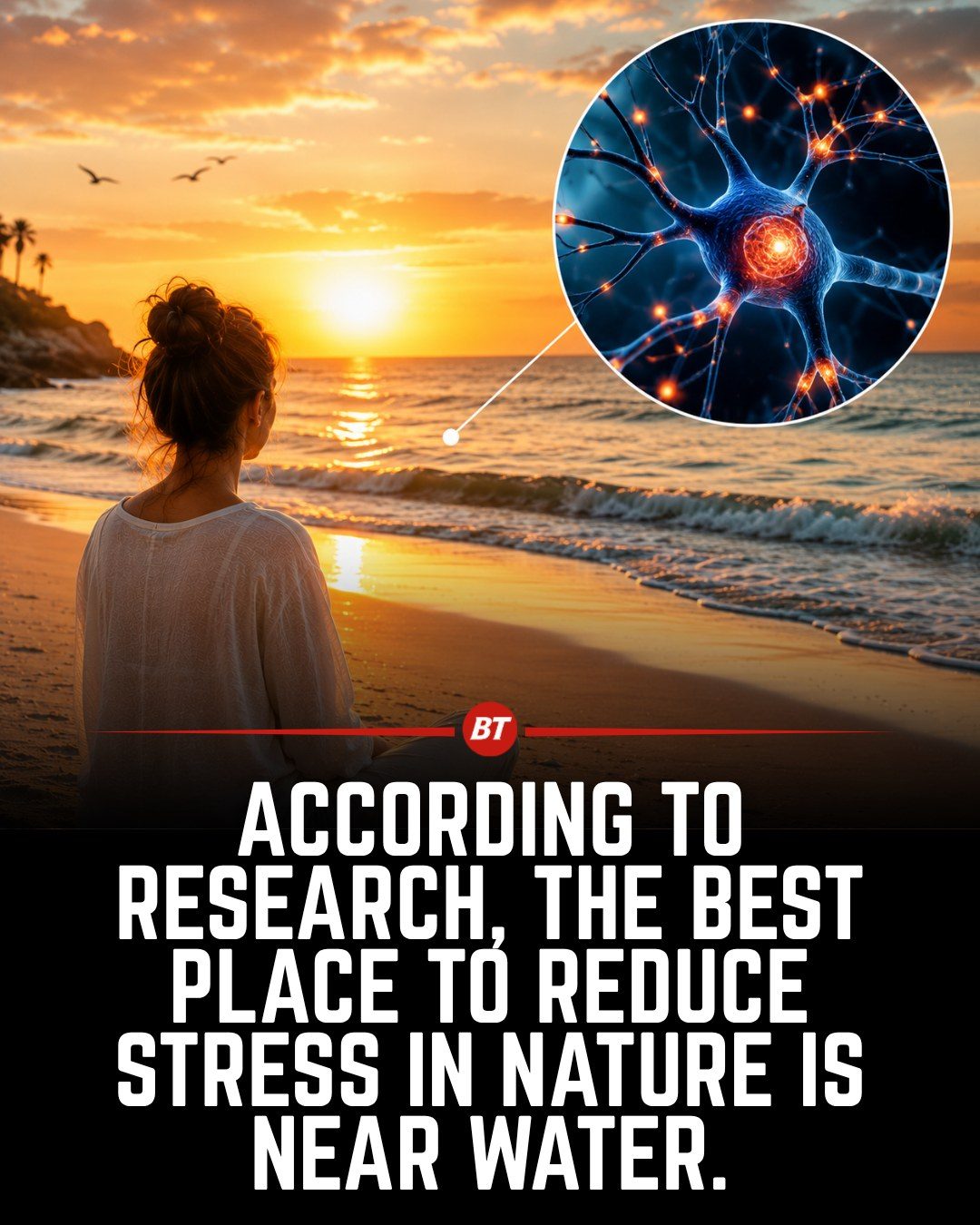
Stress Reduction in Nature
Nature offers a wealth of settings that can help alleviate stress. Among these, blue spaces—areas with bodies of water such as oceans, lakes, rivers, and waterfalls—are particularly effective. Research has shown that spending time in these environments can lower stress levels, improve mood, and enhance overall well-being.
Context: Why This Matters
In today's fast-paced world, stress has become a common part of daily life. Chronic stress can lead to various health issues, including anxiety, depression, and cardiovascular problems. Finding natural ways to manage stress is crucial for maintaining both mental and physical health. Engaging with blue spaces provides a holistic approach to stress reduction, offering both psychological and physiological benefits.
The Science Behind Blue Spaces
Psychological Benefits
Blue spaces exert a profound effect on the mind. The rhythmic sound of waves, the visual appeal of moving water, and the overall serene atmosphere can help reduce mental fatigue and promote relaxation. This natural setting encourages mindfulness and a sense of calm, which can mitigate the effects of stress.
Physiological Benefits
Beyond the mind, blue spaces also offer tangible physical benefits. The cooler temperatures and fresh air near bodies of water can invigorate the body and reduce levels of the stress hormone cortisol. Engaging in activities such as walking along the beach, sitting by a lake, or kayaking on a calm river encourages gentle physical movement. This physical activity, combined with the calming effects of the environment, can support cardiovascular health and reduce anxiety.
Practical Tips for Incorporating Blue Spaces into Daily Life
Finding the Right Spot
Blue spaces are not limited to vast expanses of ocean or expansive lakes. Even small bodies of water, like a quiet pond or a tranquil fountain, can offer the same stress-reducing benefits. Identify local parks, rivers, or beaches where you can spend some time. Even urban areas often have water features that can provide a peaceful retreat.
Making the Most of Your Time
Spending 20–30 minutes near a body of water can have significant benefits. Take a break from your daily routine to visit these spaces. Whether it's a leisurely walk by the water, sitting quietly to observe the surroundings, or engaging in a gentle activity like kayaking, the key is to be fully present in the moment. Allow the sights, sounds, and textures of the environment to wash over you, promoting a sense of relaxation and well-being.
Incorporating Mindfulness
Mindfulness practices can enhance the benefits of spending time in blue spaces. Pay attention to your breath, the sensation of the breeze on your skin, and the sound of water moving. These sensory experiences can help ground you in the present moment, reducing stress and anxiety.
Important Takeaways
The calming effects of blue spaces are backed by scientific research. Spending time near bodies of water can lead to significant improvements in mental health, including reduced stress levels, improved mood, and enhanced psychological well-being. The benefits extend to physical health, with lower cortisol levels, better cardiovascular health, and increased emotional balance.
Conclusion
Nature has a profound ability to soothe the mind and body. By incorporating blue spaces into your routine, you can experience a natural and effective way to manage stress. Whether it's a brief visit to a local park with a pond or a longer excursion to the beach, these environments offer a holistic approach to well-being. Make time for these calming experiences and reap the benefits for both your mental and physical health.
Watch the Reel
Questions readers ask
What exactly are blue spaces and where can I find them?
Blue spaces refer to natural environments that feature bodies of water, such as oceans, lakes, rivers, and waterfalls. You can find these spaces in various settings, including parks, beaches, and even some urban areas with waterfronts or fountains. The key is to look for places where water is a prominent feature.
How do blue spaces help in reducing stress?
Blue spaces help reduce stress through a combination of psychological and physiological effects. The sight and sound of water can induce a state of calm, slowing your heart rate and promoting relaxation. This natural environment can also distract from daily worries, providing a mental break from stressors.
What are some specific activities I can do in blue spaces to maximize stress relief?
To maximize stress relief in blue spaces, consider activities that allow you to immerse yourself in the environment. This could include walking along the shore, sitting quietly by the water, practicing mindfulness or meditation, or even engaging in low-key water activities like swimming or kayaking. The goal is to engage your senses and focus on the present moment.
Is there scientific evidence supporting the benefits of blue spaces on mental health?
Yes, numerous studies have shown that spending time in blue spaces can have a positive impact on mental health. Research indicates that these environments can lower stress levels, improve mood, and even enhance cognitive function. The calming effects of water have been linked to reduced symptoms of anxiety and depression.
Can blue spaces also benefit physical health, beyond just mental well-being?
Absolutely. The relaxation induced by blue spaces can lead to physiological changes that benefit physical health. For instance, reduced stress levels can lower blood pressure, improve heart rate variability, and boost the immune system. Additionally, activities like swimming or walking in natural settings can provide gentle exercise.
How much time do I need to spend in blue spaces to experience the benefits?
The benefits of blue spaces can be felt with even short periods of exposure. Spending as little as 20-30 minutes in a blue space can help reduce stress levels and improve mood. However, longer visits, such as a few hours or even a full day, can provide more sustained benefits and a deeper sense of relaxation and rejuvenation.
Related deep dives
Similar reads based on topic and creator.




Recent articles
Fresh deep dives from the latest Reels we unpacked.


Comments
Be the first to comment.