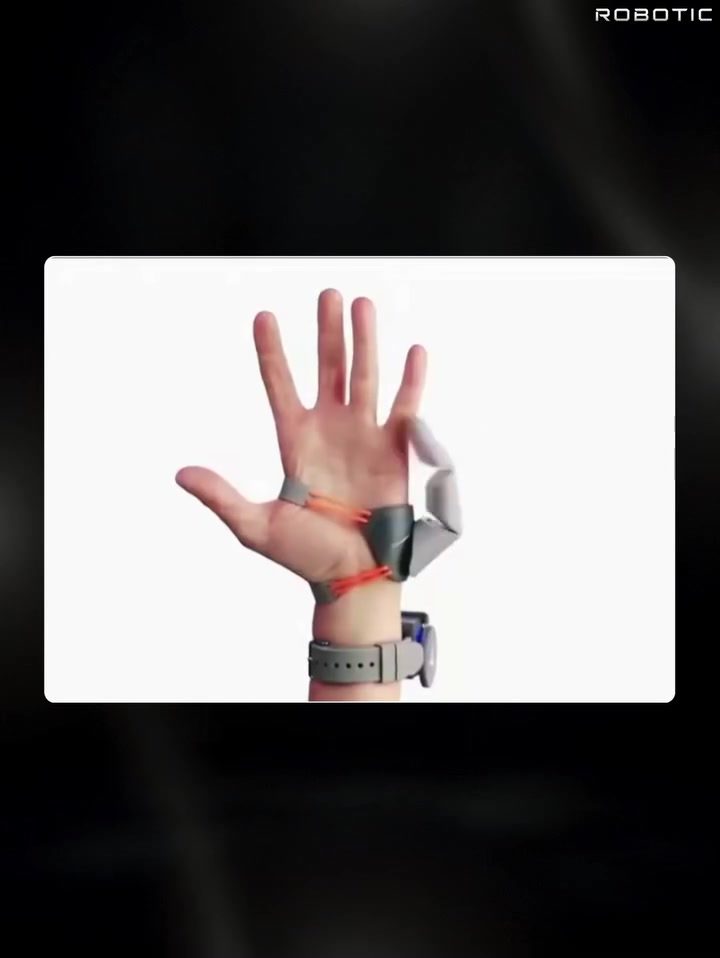
Robotic Thumbs and Human Augmentation
The concept of a robotic third thumb might seem like something out of a science fiction novel, but recent research has shown that the human brain can quickly adapt to using an extra digit. This groundbreaking discovery comes from a study conducted at University College London, where participants were equipped with a 3D-printed robotic thumb designed by Dani Clode. The thumb was controlled through pressure sensors placed beneath the participants' big toes, allowing for intuitive and natural control.
Why This Matters
The ability to integrate robotic body parts into daily life has profound implications for various fields, including medicine, industry, and everyday tasks. This technology could revolutionize how we approach rehabilitation, enhance workplace efficiency, and even change the way we interact with the world. The study at University College London demonstrated that participants were able to perform everyday tasks more effectively after just five days of training, showcasing the brain's remarkable plasticity.
Understanding the Technology
The Robotic Thumb
The robotic thumb used in the study was a 3D-printed device, which makes it both customizable and cost-effective. This design allows for easy production and modification, making it accessible for a wide range of applications. The thumb is controlled through pressure sensors placed beneath the big toe, which translates the user's movements into precise actions of the robotic thumb. This intuitive control system is a significant step forward in wearable robotic technology.
Brain Adaptation
One of the most fascinating aspects of this study is how quickly the brain adapts to the new digit. Brain scans revealed temporary changes in how the brain represented the hand, illustrating the brain's ability to learn and adapt to new inputs. This discovery opens up new avenues for research into brain-machine interfaces and how the brain can be trained to accept and utilize robotic enhancements.
Practical Applications
Medical Rehabilitation
Robotic thumbs and similar devices could play a crucial role in medical rehabilitation. For individuals who have lost the use of a thumb or hand due to injury or disease, a robotic thumb could provide a temporary or permanent solution. The ability to perform everyday tasks more effectively would significantly improve the quality of life for these individuals.
Industrial Applications
In industrial settings, robotic thumbs and hands could enhance workplace efficiency. Tasks that require precision and dexterity, such as assembly line work or surgical procedures, could be performed more accurately and efficiently with the assistance of robotic devices. This technology could also reduce the risk of injuries by taking over repetitive or strenuous tasks.
Daily Life
For everyday tasks, a robotic thumb could offer assistance in a variety of situations. From holding a cup of coffee to grasping a bottle, the robotic thumb could provide an extra helping hand. This could be particularly beneficial for individuals with disabilities or those who need extra assistance in their daily activities.
Important Takeaways
- The human brain can quickly adapt to using a robotic third thumb, demonstrating the brain's remarkable plasticity.
- The robotic thumb used in the study was a 3D-printed device, making it customizable and cost-effective.
- Brain scans revealed temporary changes in how the brain represented the hand, illustrating the brain's ability to learn and adapt to new inputs.
- Robotic thumbs and similar devices have the potential to revolutionize medical rehabilitation, industrial applications, and daily life.
Conclusion
The study conducted at University College London offers a fascinating glimpse into the future of human augmentation. The ability to integrate robotic body parts into daily life could have profound implications for various fields, including medicine, industry, and everyday tasks. As technology continues to advance, the potential for robotic assistance in daily life is endless. The future of human augmentation is here, and it's more exciting than ever.
Watch the Reel
Questions readers ask
How does the robotic third thumb work?
The robotic third thumb is a 3D-printed device designed to fit and function as an additional digit, controlled by pressure sensors placed beneath the big toe. The sensors translate pressure into movements, allowing users to operate the device in a natural and intuitive manner.
What did the study at University College London reveal?
The study showed the brain's remarkable ability to adapt to new tools. Participants were able to quickly learn and effectively use the robotic third thumb for a variety of tasks, demonstrating the brain's plasticity in integrating new appendages.
What are the potential benefits of a robotic third thumb for rehabilitation?
The robotic third thumb offers a promising avenue for hand rehabilitation. By providing an additional, functioning digit, it can help retrain the brain and promote motor learning, potentially aiding in the recovery of hand function after injury or stroke.
Can anyone use a robotic third thumb, or are there specific requirements?
While the device is designed to be intuitive, it may require some initial practice and brain training. Currently, it is used for research purposes and may not be widely available to the public.
How might a robotic third thumb enhance daily tasks and workplace efficiency?
By providing an extra digit, the robotic third thumb can help users handle more objects simultaneously, improving dexterity and efficiency in various tasks, from cooking to office work. This could lead to increased productivity and ease in daily activities.
What does the robotic third thumb technology say about brain and robotics integration?
The successful adaptation to a robotic third thumb underscores the brain's adaptability to new technologies. The technology offers a useful model for exploring how the brain can integrate robotic devices, paving the way for future developments in brain and robotics research.
What kind of tasks were participants in the study able to perform with the robotic third thumb?
Participants were able to perform a range of tasks, including gripping and manipulating objects, demonstrating the device's potential for enhancing dexterity in daily activities.
Related deep dives
Similar reads based on topic and creator.

Recent articles
Fresh deep dives from the latest Reels we unpacked.




Comments
Be the first to comment.