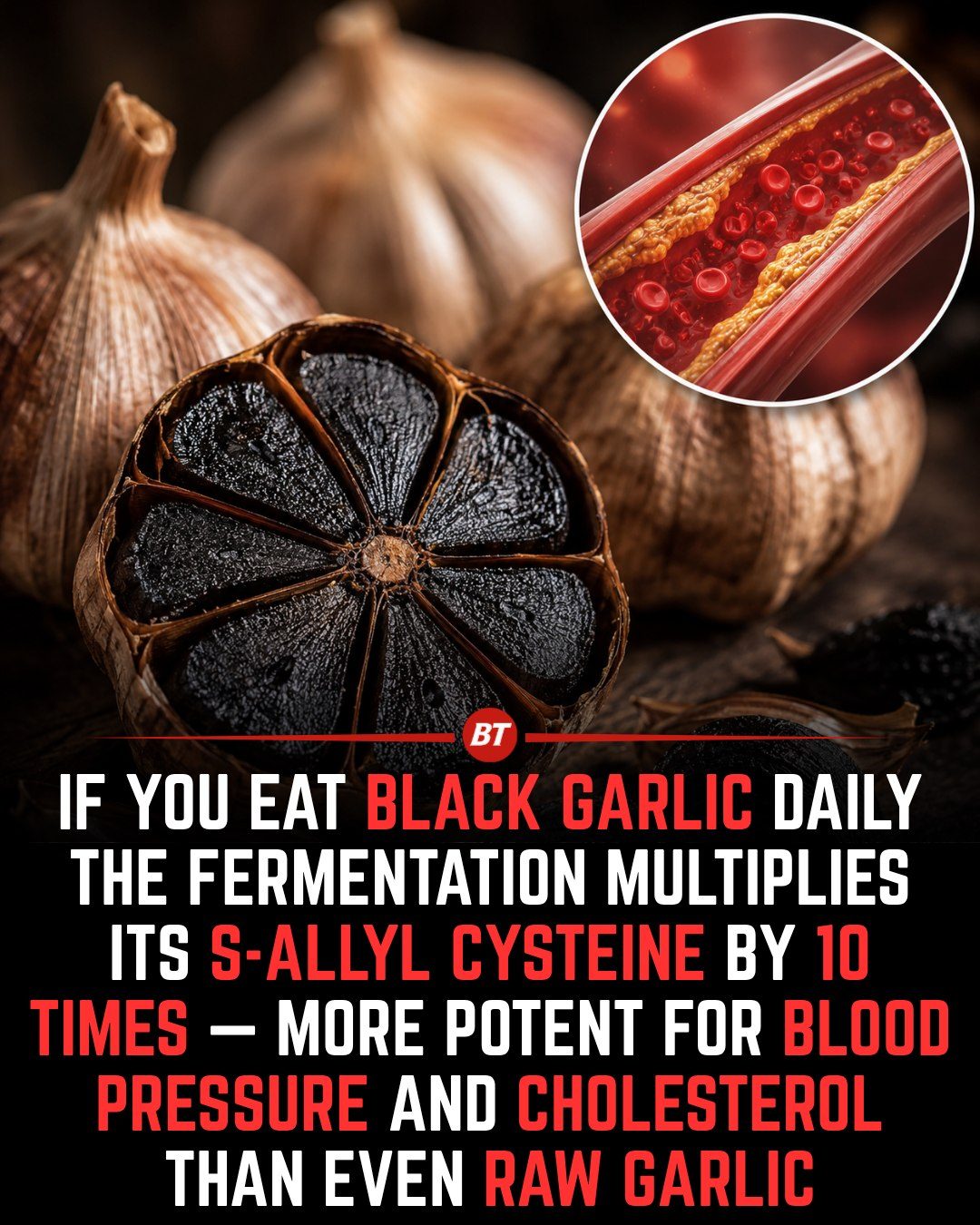
Black Garlic: A Nutritional Transformation with Unique Health Benefits
Black garlic is more than just aged garlic; it undergoes a unique nutritional transformation that creates compounds beneficial for health. This transformation occurs when fresh garlic is slowly aged under controlled heat and humidity for several weeks. During this fermentation process, the garlic's sharp flavor mellows into a sweet, savory taste. Meanwhile, its naturally occurring compounds convert into more stable and bioavailable forms.
One of the most studied compounds in black garlic is S-allyl cysteine (SAC), which becomes more abundant during the fermentation process. Researchers have investigated SAC for its potential to support heart health, maintain healthy blood pressure, and promote normal cholesterol metabolism. This sulfur-containing antioxidant helps reduce oxidative stress and promotes healthy blood vessel function.
Why This Matters
Incorporating black garlic into your diet can offer a range of health benefits. Its fermentation process multiplies the levels of S-allyl cysteine by up to 10 times, making it more potent than raw garlic for supporting blood pressure and cholesterol health. Black garlic also contains a wide range of polyphenols and antioxidant compounds, which contribute to its antioxidant activity and potential health benefits.
Main Discussion
The Fermentation Process
The fermentation of black garlic involves subjecting fresh garlic to controlled heat and humidity for several weeks. This process not only changes the flavor profile but also alters the chemical composition of the garlic.
The sharp, pungent taste of raw garlic is converted into a milder, sweeter, and more savory flavor. At the same time, the fermentation process transforms the naturally occurring compounds into more stable and bioavailable forms, enhancing their health benefits.
Key Compounds in Black Garlic
S-allyl Cysteine (SAC)
SAC is a sulfur-containing antioxidant that becomes more abundant during the fermentation of black garlic. This compound is particularly notable for its potential to support heart health, maintain healthy blood pressure, and promote normal cholesterol metabolism. Researchers have found that SAC helps reduce oxidative stress and supports healthy blood vessel function, contributing to overall cardiovascular health.
Polyphenols and Antioxidant Compounds
In addition to SAC, black garlic contains a variety of polyphenols and antioxidant compounds. These bioactive substances are being explored for their roles in supporting cardiovascular health, immune function, and healthy aging. Studies suggest that black garlic may have stronger antioxidant activity than fresh garlic, making it a valuable addition to a balanced diet.
Practical Tips
Incorporating Black Garlic into Your Diet
If you're looking to integrate black garlic into your meals, there are several delicious ways to do so. Try the following:
-
Toast Topping: Enjoy 1–2 cloves of black garlic on toast, adding a savory twist to your breakfast or snack.
-
Salad Dressings: Mix black garlic into your favorite salad dressings for an extra kick of flavor and antioxidants.
-
Sauces and Dips: Blend black garlic into sauces, dips, or marinades to enhance the umami flavor in your dishes.
-
Standalone Snack: For a simple and nutritious snack, enjoy black garlic cloves on their own. This will help you appreciate the naturally sweet, umami-rich flavor of the aged garlic.
Dosage and Frequency
For optimal benefits, consume 1–2 cloves of black garlic daily. This amount is sufficient to benefit from the increased levels of S-allyl cysteine and other antioxidants, supporting overall health and wellness.
Important Takeaways
Black garlic's unique fermentation process transforms it into a nutritional powerhouse, rich in antioxidants and health-promoting compounds. Its sweet, savory flavor makes it a versatile ingredient in various dishes, from toast to sauces. Key compounds like S-allyl cysteine and a variety of polyphenols and antioxidants contribute to its potential health benefits, including supporting heart health, maintaining healthy blood pressure, and promoting normal cholesterol metabolism.
While black garlic shows promise, it should be viewed as a nutritious addition to a balanced diet rather than a replacement for prescribed treatments for high blood pressure or cholesterol.
Conclusion
Black garlic offers a range of potential health benefits, thanks to its unique fermentation process and abundant antioxidants. Incorporating black garlic into your daily meals can be a delicious and nutritious way to support heart health, maintain healthy blood pressure, and promote normal cholesterol metabolism. Enjoy its sweet, savory flavor in various dishes and reap the benefits of this nutritional transformation.
Watch the Reel
Questions readers ask
What makes black garlic different from fresh garlic?
Black garlic is created through a unique aging process where fresh garlic is exposed to controlled heat and humidity for several weeks. This fermentation process not only mellows the garlic's flavor but also transforms its compounds, making them more stable and easier for the body to use.
How does black garlic support heart health?
Black garlic supports heart health through several mechanisms. The fermentation process boosts the levels of S-allyl cysteine (SAC), a compound that helps maintain healthy blood pressure and promotes normal cholesterol metabolism.
Can black garlic help lower cholesterol levels?
Yes, black garlic has been shown to promote healthy cholesterol metabolism, which can help lower bad cholesterol levels. The compound S-allyl cysteine (SAC) is particularly beneficial for this.
What is the recommended daily intake of black garlic?
There is no standard daily intake recommendation specifically for black garlic. However, consuming 1-2 cloves per day is a good starting point to incorporate its benefits into your diet. Always consult with a healthcare provider for personalized advice.
How can I incorporate black garlic into my meals?
Black garlic can be used in a variety of dishes. You can mince it and add it to sauces, spreads, dressings, and marinades. It can also be sliced and added to sandwiches or used as a topping for pizza. Keep in mind that black garlic has a sweeter, more mellow flavor than fresh garlic.
Does black garlic have more antioxidant properties than fresh garlic?
Yes, the fermentation process that creates black garlic enhances its antioxidant properties. During aging, the compounds in garlic are transformed into more stable forms, which can help neutralize free radicals in the body.
What are the benefits of S-allyl cysteine (SAC) found in black garlic?
S-allyl cysteine (SAC) is a key compound found in black garlic that supports heart health. It helps maintain healthy blood pressure and promotes normal cholesterol metabolism, making it a valuable component of black garlic's health benefits.
Related deep dives
Similar reads based on topic and creator.




Recent articles
Fresh deep dives from the latest Reels we unpacked.




Comments
Be the first to comment.