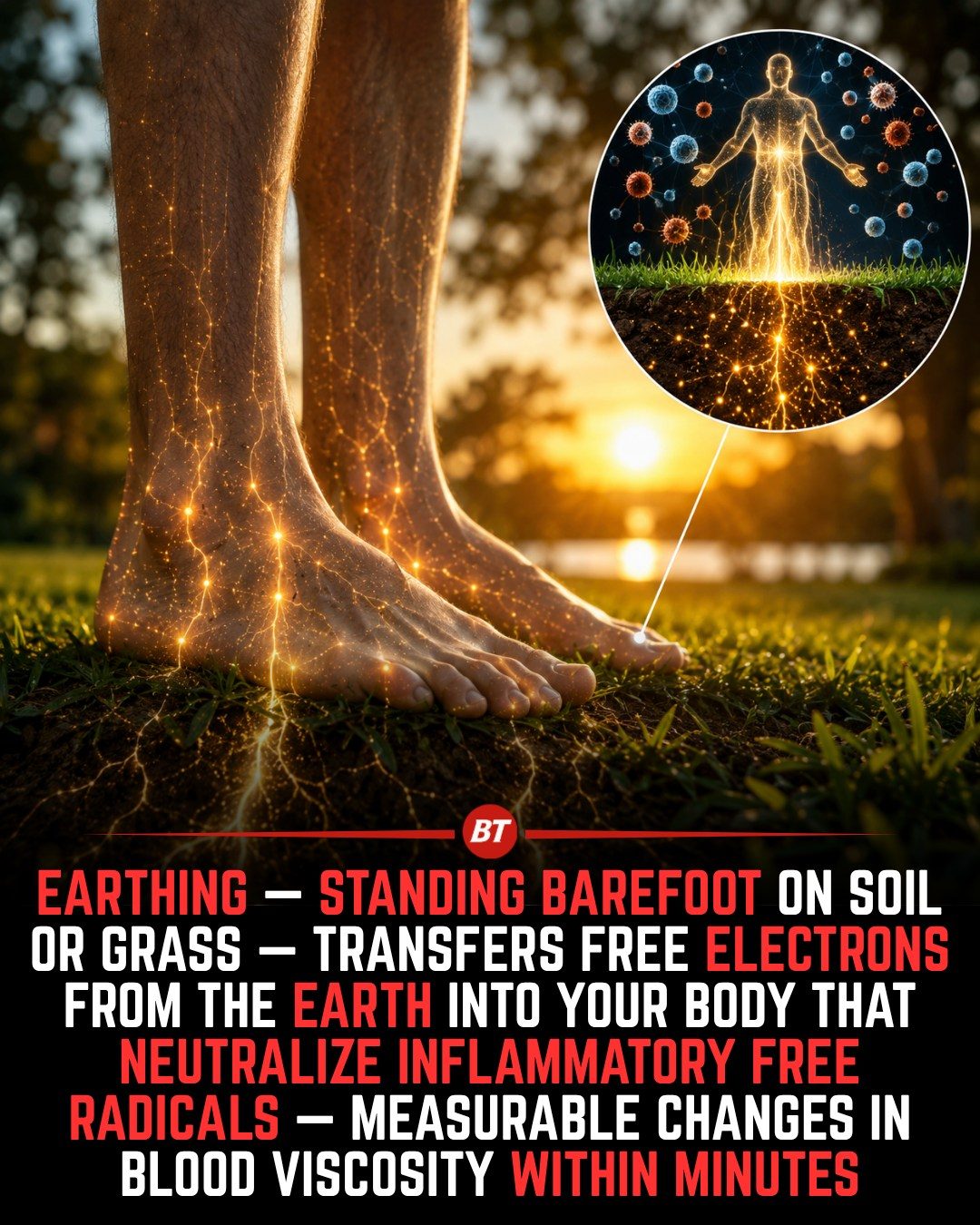
Earthing: Reconnecting with Nature for Well-Being
Earthing, also known as grounding, is the practice of making direct skin contact with natural surfaces like grass, sand, or soil. This simple act involves walking barefoot outdoors, allowing the body to interact electrically with the Earth. The belief is that this contact transfers free electrons from the earth into the body, which can neutralize inflammatory free radicals and potentially improve blood viscosity.
Earthing is more than just a wellness trend. It’s a practice rooted in the idea that reconnecting with nature can have significant benefits for both physical and mental well-being. There are several key points to understand about earthing and its potential advantages.
Why This Matters
In today's fast-paced world, many people spend a lot of time indoors and often overlook the benefits of direct contact with nature. Earthing challenges us to slow down, take off our shoes, and step onto the earth. This practice can help reduce stress, improve sleep quality, and potentially enhance overall health. Although the scientific evidence is still preliminary, there are compelling reasons to incorporate earthing into daily routines.
Understanding Earthing
Earthing is based on the concept that the Earth’s surface carries a natural, gentle negative charge. When the body comes into direct contact with this surface, it absorbs these electrons, which can help neutralize free radicals in the body. Free radicals are unstable molecules that can cause inflammation and damage to cells. By neutralizing these radicals, earthing may help reduce inflammation and improve overall health.
The Science Behind Earthing
Researchers have begun exploring the effects of earthing on various physiological processes. Some studies have reported positive changes in markers related to stress, sleep quality, and blood flow. For instance, some research suggests that earthing may lead to measurable changes in blood viscosity within minutes. This rapid change could potentially improve circulation and reduce the risk of blood clots, which are associated with various cardiovascular diseases.
Although these findings are promising, more high-quality research is needed to determine the clinical significance of earthing. The current evidence is preliminary, and some claims, such as the rapid neutralization of free radicals and changes in blood viscosity, have not been conclusively established in humans. However, the positive effects of earthing on stress reduction and sleep quality are worth exploring further.
The Mind-Body Connection
Spending time barefoot outdoors is not just about physical health; it also has significant mental health benefits. Earthing encourages mindfulness, gentle movement, and time in green spaces—all of which are independently associated with lower stress levels and improved mental well-being. The practice of being present and connected to nature can help reduce anxiety and promote a sense of calm and relaxation.
Practical Tips for Earthing
Incorporating earthing into your daily routine can be simple and enjoyable. Here are some practical tips to get you started:
-
Find a Safe, Natural Surface: Look for a clean, safe natural surface like grass, sand, or soil. Avoid areas with sharp objects, pollutants, or harmful substances.
-
Remove Your Shoes: Take off your shoes and socks to allow direct skin contact with the earth. If you're not comfortable walking barefoot, consider using minimalist footwear that allows for good ground contact.
-
Spend 10-20 Minutes: Aim to spend at least 10-20 minutes walking or standing on the natural surface. This duration allows your body to absorb the earth's electrons and experience the benefits of earthing.
-
Focus on Your Breathing: While earthing, take deep breaths and focus on your breathing. This mindful practice can help you relax and connect more deeply with nature.
-
Be Consistent: Make earthing a regular part of your routine. Consistency is key to experiencing the long-term benefits of earthing.
Important Takeaways
While earthing is a simple and enjoyable practice, it’s essential to approach it with realistic expectations. The current scientific evidence is promising but not conclusive. Here are some important takeaways to keep in mind:
-
Benefits Beyond Science: Even if the scientific evidence is still preliminary, the practice of earthing has many benefits that go beyond physical health. It encourages mindfulness, gentle movement, and time in green spaces, all of which can enhance mental well-being.
-
Personal Experience: Earthing can be a deeply personal experience. Some people may feel immediate benefits, while others may take longer to notice changes.
-
Safety First: Always choose a safe, clean natural surface for earthing to avoid any potential risks or injuries.
Conclusion
Earthing, or grounding, is a practice that encourages direct contact with nature through walking barefoot on natural surfaces. While the scientific evidence is still developing, the benefits of earthing on both physical and mental health are worth exploring. Whether you're looking to reduce stress, improve sleep, or simply reconnect with nature, earthing offers a simple and enjoyable way to enhance your well-being. By taking off your shoes and stepping onto the earth, you can experience the natural world in a deeper, more meaningful way.
Watch the Reel
Questions readers ask
What exactly is 'earthing' and how do you do it?
Earthing, or grounding, is the process of connecting directly with natural surfaces like grass, sand, or soil. To practice it, simply walk, sit, or stand barefoot outdoors, allowing your body to make direct contact with the earth's surface. This can be done in parks, beaches, or even your backyard.
What are the potential benefits of walking barefoot on grass?
Walking barefoot on grass can help reduce stress and anxiety, improve sleep quality, and may even enhance overall health by neutralizing harmful free radicals in the body. This practice can also help improve blood flow and reduce inflammation.
What are some other surfaces that can be used for earthing?
In addition to grass, you can use other natural surfaces for earthing, such as sand, soil, or even bodies of water. Some people also use grounding mats or sheets indoors, which are designed to mimic the effects of direct contact with the earth's surface.
Can I do earthing indoors, as well as outdoors?
Indoor earthing can be done using special grounding products such as mats or sheets. These products are designed to connect to the Earth's electrical charge, allowing you to experience the benefits of earthing even when you're inside. However, outdoor earthing is generally more effective because of the direct contact with natural surfaces.
What is the best time of day to practice earthing?
There's no specific time of day that's best for earthing. However, many people prefer to do it in the morning or evening when the earth's surface is cooler. Additionally, spending time in nature during these times can help ease you into the day or calm you after a long day.
Is earthing a new practice?
Earthing is not a new practice; it's rooted in ancient traditions where humans lived in close contact with the natural world. However, it has gained modern attention as a way to counteract the effects of living in a highly technologized and insulated world. It's a return to a more natural way of living that can provide health benefits.
Can earthing help with sleep improvement?
Yes, earthing can potentially improve sleep quality. By reducing stress and inflammation, earthing can help promote better sleep. Some people find that grounding before bedtime can lead to a more restful night, although the effects can vary from person to person.
Related deep dives
Similar reads based on topic and creator.




Recent articles
Fresh deep dives from the latest Reels we unpacked.




Comments
Be the first to comment.