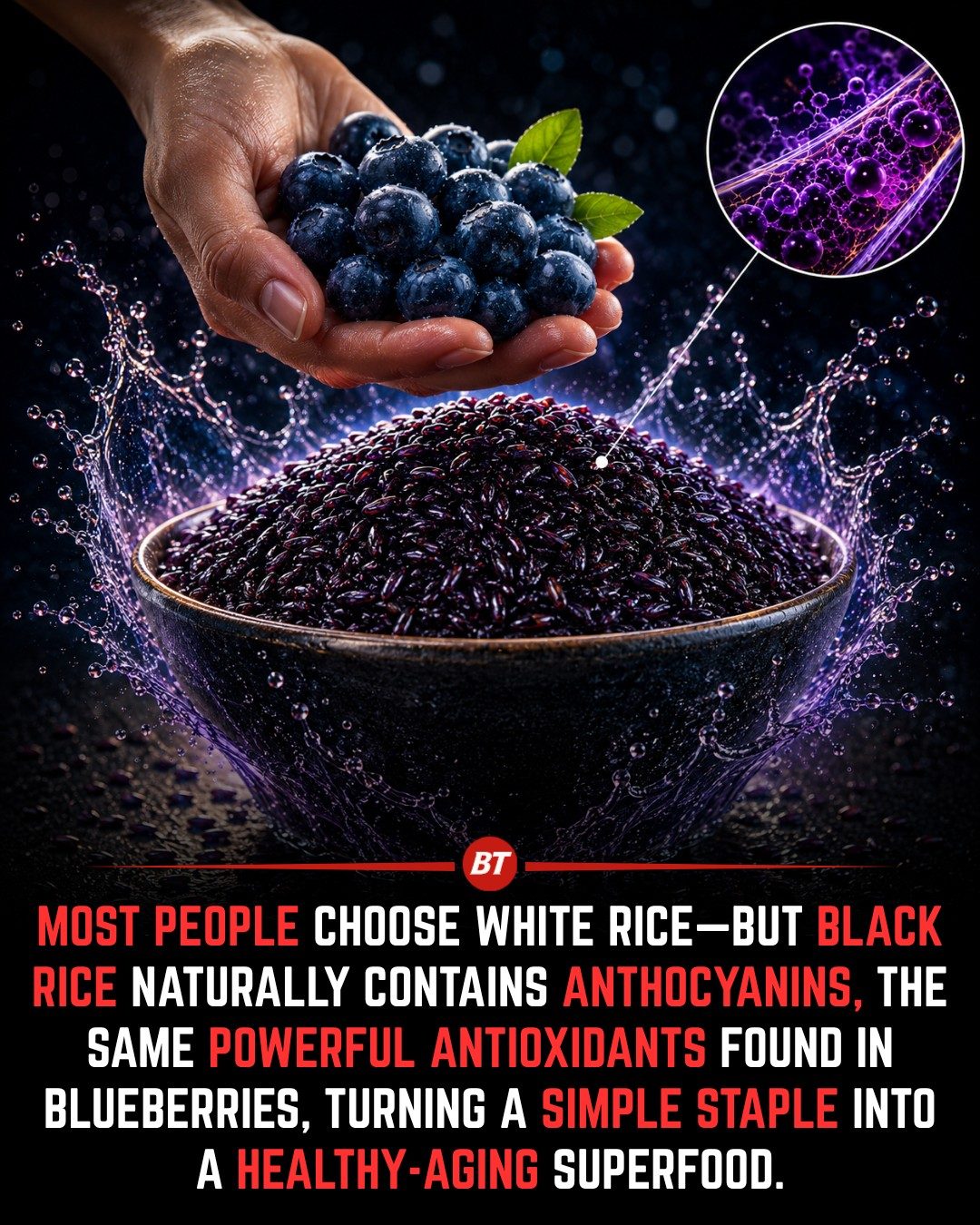
Black Rice: The Nutritional Powerhouse
Black rice, a lesser-known variety of rice, is often overshadowed by its more common cousin, white rice. But this unassuming grain packs a powerful nutritional punch. Let's delve into the benefits of black rice, its rich history, and how it can enhance your diet.
Why This Matters
Incorporating black rice into your diet can offer a range of health benefits, from improved cardiovascular health to better brain aging. Unlike white rice, which has been stripped of its nutritious outer bran layer, black rice retains this layer, making it a more nutritious choice. This dark, pigmented rice variety contains anthocyanins, powerful antioxidants that are also found in blueberries, blackberries, and purple cabbage. These antioxidants can help protect cells from oxidative stress, a process that occurs as the body produces energy and responds to environmental factors.
The Nutritional Profile of Black Rice
Anthocyanins: The Powerful Antioxidant
Anthocyanins are a type of flavonoid, a class of compounds with antioxidant effects. These pigments are responsible for the deep, vibrant colors found in many fruits and vegetables. In black rice, anthocyanins are concentrated in the bran layer, which is retained during processing. This makes black rice a rich source of these beneficial compounds.
Compared to White Rice
White rice, while softer and more palatable to some, has been milled to remove the bran layer. This process strips away much of the fiber, antioxidants, vitamins, and minerals that are naturally present in the grain. As a result, white rice has a higher glycemic index, which can cause blood sugar levels to spike more quickly. Black rice, on the other hand, retains its bran layer, providing more fiber and a lower glycemic index. This makes it a better choice for those looking to maintain steady blood sugar levels and support overall metabolic health.
The Health Benefits
Black rice provides several key health benefits, including the following:
-
Cardiovascular Health: Diets rich in anthocyanin-containing foods, such as black rice, have been linked to better cardiovascular health. This is likely due to the antioxidant effects of anthocyanins, which can help protect the heart and blood vessels from oxidative stress.
-
Brain Aging: Black rice's anthocyanins may also contribute to healthy brain aging. Research has suggested that these antioxidants can help protect brain cells from damage and may even support cognitive function.
-
Anti-Inflammatory Effects: The antioxidants in black rice have been shown to reduce markers of inflammation, which can contribute to a range of chronic health conditions.
-
Fiber and Protein: Black rice provides more fiber and protein than white rice. This means it can help support steadier blood sugar levels, promote digestive health, and support overall metabolic function. The extra fiber also nourishes beneficial gut bacteria, producing short-chain fatty acids that help support the intestinal lining and overall metabolic health.
Practical Tips for Incorporating Black Rice into Your Diet
If you're interested in adding black rice to your diet, here are some practical tips to get you started:
Try It Once a Week
You don't have to ditch white rice altogether to reap the benefits of black rice. Try substituting white rice with black rice once or twice a week in your favorite dishes. Whether you're making a stir-fry, a grain bowl, or a side dish to accompany grilled fish and vegetables, black rice can add a nutty flavor and a boost of nutrients.
Pair It with Other Healthy Foods
To maximize the health benefits of black rice, pair it with other nutrient-dense foods. This could include a variety of fruits and vegetables, lean proteins, and healthy fats. By incorporating a range of antioxidant-rich foods, you can support your overall health and well-being.
Important Takeaways
Black rice is a nutritional powerhouse that offers a range of health benefits. From improved cardiovascular health to better brain aging, the antioxidants in black rice can help support your overall health. By incorporating black rice into your diet, you can add both nutrition and a rich, nutty flavor to your meals.
Conclusion
Whether you're looking to improve your cardiovascular health, support brain aging, or simply add more variety to your diet, black rice is a great choice. Its rich nutritional profile and delicious flavor make it a versatile ingredient that can be incorporated into a range of dishes. So, why not give black rice a try? Your body (and taste buds) will thank you.
Watch the Reel
Questions readers ask
What makes black rice a healthier alternative to white rice?
Black rice is a healthier alternative to white rice because it retains its outer bran layer, which contains a wealth of nutrients and antioxidants. This makes it more nutritious than white rice, which has its bran layer removed during processing.
How does black rice support heart health?
Black rice supports heart health through its rich content of anthocyanins, a type of antioxidant associated with a lower risk of heart disease. These antioxidants help reduce inflammation, prevent cell damage, and improve overall cardiovascular function.
Can black rice help in managing blood sugar levels?
Yes, black rice can help manage blood sugar levels due to its lower glycemic index compared to white rice. This means it causes a slower and lower rise in blood sugar levels, making it a better choice for those looking to maintain stable blood sugar levels and reduce the risk of type 2 diabetes.
What are the benefits of anthocyanins in black rice?
Anthocyanins in black rice offer numerous benefits, including protecting cells from damage, reducing inflammation, and supporting both brain and heart health. These powerful antioxidants are also linked to improved brain aging and enhanced cognitive function.
How can incorporating black rice into your diet aid in weight loss?
Incorporating black rice into your diet can aid in weight loss by promoting feelings of fullness and satisfaction, thanks to its high fiber content. This can help reduce overall calorie intake and support weight management efforts. Additionally, its lower glycemic index helps maintain steady blood sugar levels, reducing cravings for sugary foods.
Is black rice suitable for those with dietary restrictions?
Black rice is generally suitable for those with various dietary restrictions. It is naturally gluten-free, making it a good option for individuals with celiac disease or gluten intolerance. Additionally, it is a good source of plant-based protein and fiber, which can be beneficial for vegetarians and vegans.
What are some creative ways to incorporate black rice into meals?
Black rice can be incorporated into a variety of meals, such as salads, stir-fries, and even desserts. It can be used as a base for grain bowls, mixed with vegetables and proteins for a nutritious meal, or cooked with coconut milk and sweeteners for a healthier rice pudding alternative. Its nutty flavor and chewy texture make it a versatile ingredient in the kitchen.
Related deep dives
Similar reads based on topic and creator.




Recent articles
Fresh deep dives from the latest Reels we unpacked.




Comments
Be the first to comment.