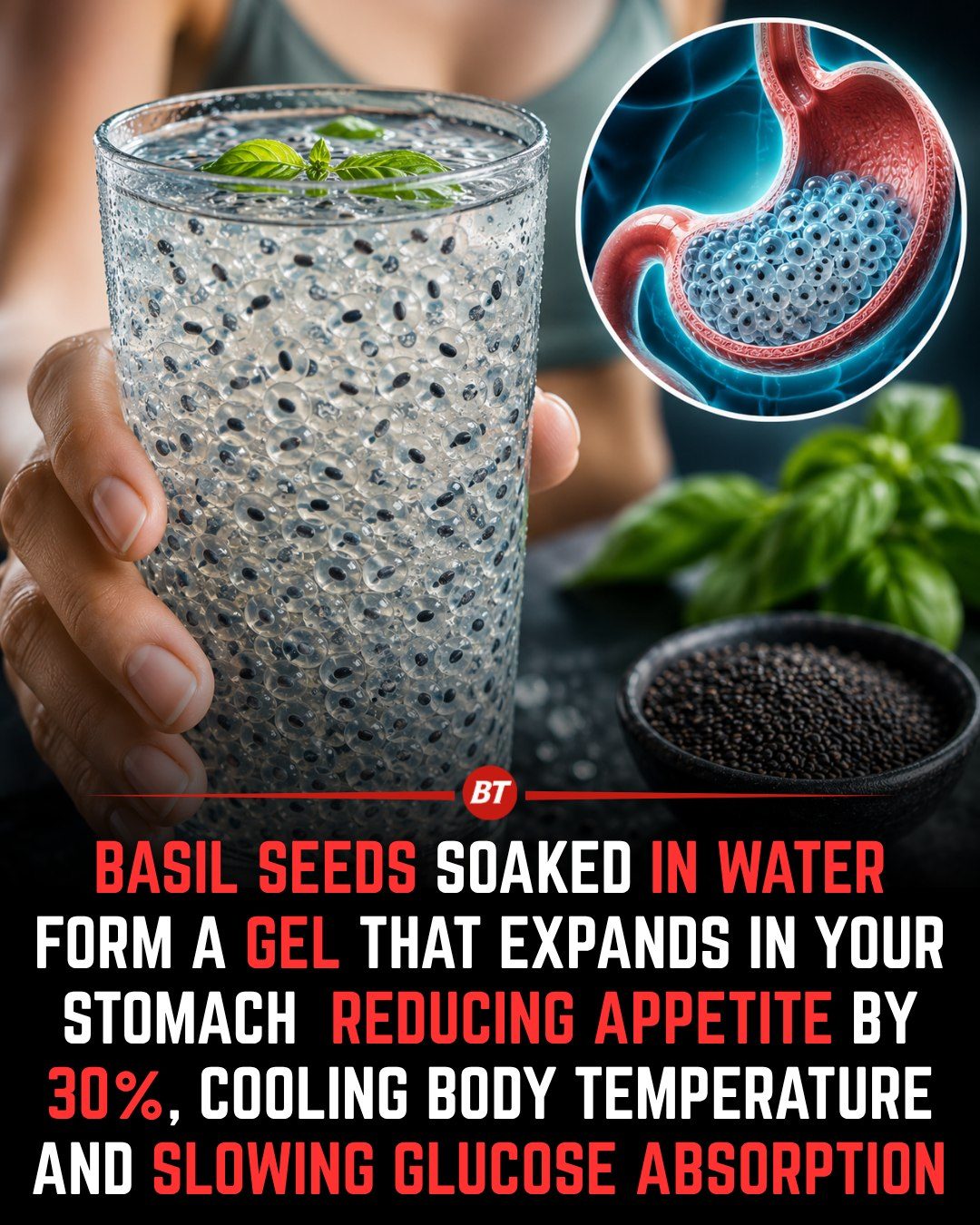
Basil seeds are a powerful, often overlooked ingredient for supporting fullness, hydration, and blood sugar management.
Why This Matters
Incorporating basil seeds into your diet can offer a range of health benefits, particularly for those looking to manage weight, improve digestion, or regulate blood sugar levels. Understanding how basil seeds work in the body can help you make informed decisions about including them in your meals and drinks.
What are Basil Seeds?
Basil seeds, also known as sabja seeds, are tiny black seeds derived from the sweet basil plant. They are commonly used in various cuisines, particularly in Indian and Southeast Asian dishes. When soaked in water, these seeds develop a thick, gelatinous coating made of soluble fiber. This unique property is what makes basil seeds so beneficial for health.
How Basil Seeds Support Your Health
Enhancing Fullness and Hydration
When soaked in water, basil seeds form a gel that swells in the stomach, expanding significantly. This gel absorbs water and aids in slowing down digestion, which in turn, increases feelings of fullness after a meal. This process is particularly beneficial for appetite control and weight management. By promoting a sense of satiety, basil seeds can help you feel fuller for longer, reducing the likelihood of overeating.
Regulating Blood Sugar Levels
Soluble fiber, the key component in the gel formed by basil seeds, plays a crucial role in blood sugar regulation. It slows down the absorption of carbohydrates, leading to a more gradual rise in blood sugar levels after eating. This is particularly important for individuals with diabetes or those at risk of developing the condition. By helping to regulate blood sugar levels, basil seeds can contribute to better overall metabolic health.
Cooling Body Temperature
Beyond their digestive benefits, basil seeds have a natural cooling effect on the body. They are often used in cooling drinks and beverages, particularly in hot weather. This makes them a refreshing addition to summer drinks, providing both hydration and a cooling sensation. The cooling effect can also be beneficial for those experiencing heat-related discomfort.
Boosting Nutrient Intake
Basil seeds are not only rich in soluble fiber but also provide a range of essential nutrients, including magnesium, calcium, iron, and antioxidants. These nutrients support various aspects of health, from bone strength to immune function. Adding basil seeds to your diet can be an easy way to boost your nutrient intake without significantly altering your eating habits.
Practical Tips for Incorporating Basil Seeds
Preparation Methods
To make the most of basil seeds, soak 1–2 teaspoons in water for 15–20 minutes until a gel forms. This gel can then be added to a variety of drinks and dishes, making it a versatile ingredient in your kitchen. Here are some ideas for incorporating basil seeds into your diet:
Drinks
- Lemon Water: Add the soaked basil seeds to a glass of lemon water for a refreshing and hydrating beverage.
- Smoothies: Blend the gelatinous basil seeds into your favorite smoothie for an extra boost of fiber and hydration.
- Yogurt Drinks: Mix the seeds into yogurt-based drinks for a creamy and nutritious option.
- Herbal Drinks: Infuse herbal teas or tisanes with basil seeds for a unique and soothing beverage.
Food
- Salads: Sprinkle the soaked basil seeds over salads for added texture and nutritional benefits.
- Smoothie Bowls: Top your smoothie bowls with a spoonful of basil seeds for a crunchy and nutritious finishing touch.
- Desserts: Incorporate the seeds into puddings, jellies, and other desserts for a unique twist.
- Yogurt: Mix them into plain or flavored yogurt for a nutritious and satisfying snack.
How to Store
Basil seeds can be stored in an airtight container at room temperature for up to a year. For longer storage, keep them in the refrigerator to maintain freshness. Soaked basil seeds should be consumed within a day or two to ensure optimal freshness and nutritional value.
Important Takeaways
Basil seeds are a versatile and nutrient-dense ingredient that can support fullness, hydration, and blood sugar regulation. Their soluble fiber content helps slow digestion, promoting feelings of fullness and aiding in weight management. Additionally, basil seeds can help regulate blood sugar levels, provide essential nutrients, and offer a natural cooling effect. By incorporating basil seeds into your diet, you can enjoy a range of health benefits with minimal effort.
Conclusion
Adding basil seeds to your meals and drinks is a simple yet effective way to boost your health. Their unique ability to form a gelatinous coating when soaked in water makes them a valuable tool for managing appetite, regulating blood sugar, and staying hydrated. Whether you add them to smoothies, yogurt, or cooling drinks, basil seeds are a versatile ingredient worth exploring.
Watch the Reel
Questions readers ask
How do basil seeds help with managing fullness?
Basil seeds absorb water and swell in the stomach, creating a gel-like substance that promotes a feeling of fullness and satisfaction. This can help reduce overall calorie intake by curbing appetite and preventing overeating. The soluble fiber in basil seeds also contributes to this effect.
Can basil seeds improve hydration?
Yes, basil seeds can enhance hydration. When soaked, they form a gelatinous layer that can help retain water in the body, thus promoting hydration. Additionally, they can be added to various beverages, making it easier to increase water intake throughout the day.
What role do basil seeds play in blood sugar regulation?
Basil seeds contain soluble fiber, which slows down the absorption of carbohydrates, leading to a more gradual release of glucose into the bloodstream. This process can help prevent spikes in blood sugar levels, making basil seeds a valuable addition to a balanced diet for blood sugar management.
How should basil seeds be prepared for maximum benefits?
To maximize their benefits, basil seeds should be soaked in water for about 10-15 minutes. This allows them to swell and release their soluble fiber, which aids in digestion, hydration, and blood sugar regulation. Soaked basil seeds can be incorporated into various dishes, including smoothies, yogurt, and salads.
Are there any potential side effects of consuming basil seeds?
Basil seeds are generally safe for most people, but some individuals might experience gas, bloating, or diarrhea, especially when consumed in large amounts. It's also important to note that basil seeds can interact with certain medications, so it's a good idea to consult a healthcare provider before incorporating them into your diet, especially if you have any underlying health conditions. Always start with a small amount to assess your tolerance.
Can basil seeds aid in weight management?
Yes, basil seeds can support weight management by promoting feelings of fullness and satisfaction, which can help reduce overall calorie intake. Additionally, their ability to slow down carbohydrate absorption and support hydration can contribute to a more balanced diet and better digestion, both of which are beneficial for weight management.
What are some creative ways to include basil seeds in daily meals?
Basil seeds can be added to a variety of dishes and beverages. Try mixing them into smoothies, sprinkling them on top of yogurt or oatmeal, or incorporating them into salads and soups. They can also be used as a topping for baked goods or added to drinks like lemonade or iced tea for an extra nutritional boost.
Related deep dives
Similar reads based on topic and creator.




Recent articles
Fresh deep dives from the latest Reels we unpacked.




Comments
Be the first to comment.