Balanced Meal Ideas for a Healthy, Delicious Life
Balanced eating doesn't have to be boring or restrictive. It can be a delicious journey filled with vibrant, nutritious meals that keep you energized and satisfied. The key is to focus on balanced plates that include protein, real carbohydrates, and healthy fats. Let’s dive into some meal ideas that make healthy eating sustainable and enjoyable.
Why This Matters
Eating healthily isn’t just about cutting calories or eliminating entire food groups. It's about finding a balance that works for your body and lifestyle. When you focus on meals that are rich in nutrients and flavors, you're more likely to stick with a healthy eating plan. Plus, enjoying your food can make the journey towards better health feel less like a chore and more like a delightful experience.
Main Discussion
The Power of Balanced Meals
Balanced meals are the cornerstone of a healthy lifestyle. By including a variety of nutrients in each meal, you ensure that your body gets everything it needs to function optimally. Here are some key components to include in your balanced meals:
- Protein: Essential for muscle repair and growth, protein can be found in sources like chicken, fish, eggs, and legumes.
- Real Carbohydrates: Complex carbs provide sustained energy and can be found in whole grains, fruits, and vegetables.
- Healthy Fats: These are crucial for brain function and hormonal balance. Avocados, nuts, seeds, and olive oil are great sources.
- Color: Vibrant colors in your food often indicate high nutrient content. Aim for a rainbow of fruits and vegetables in your meals.
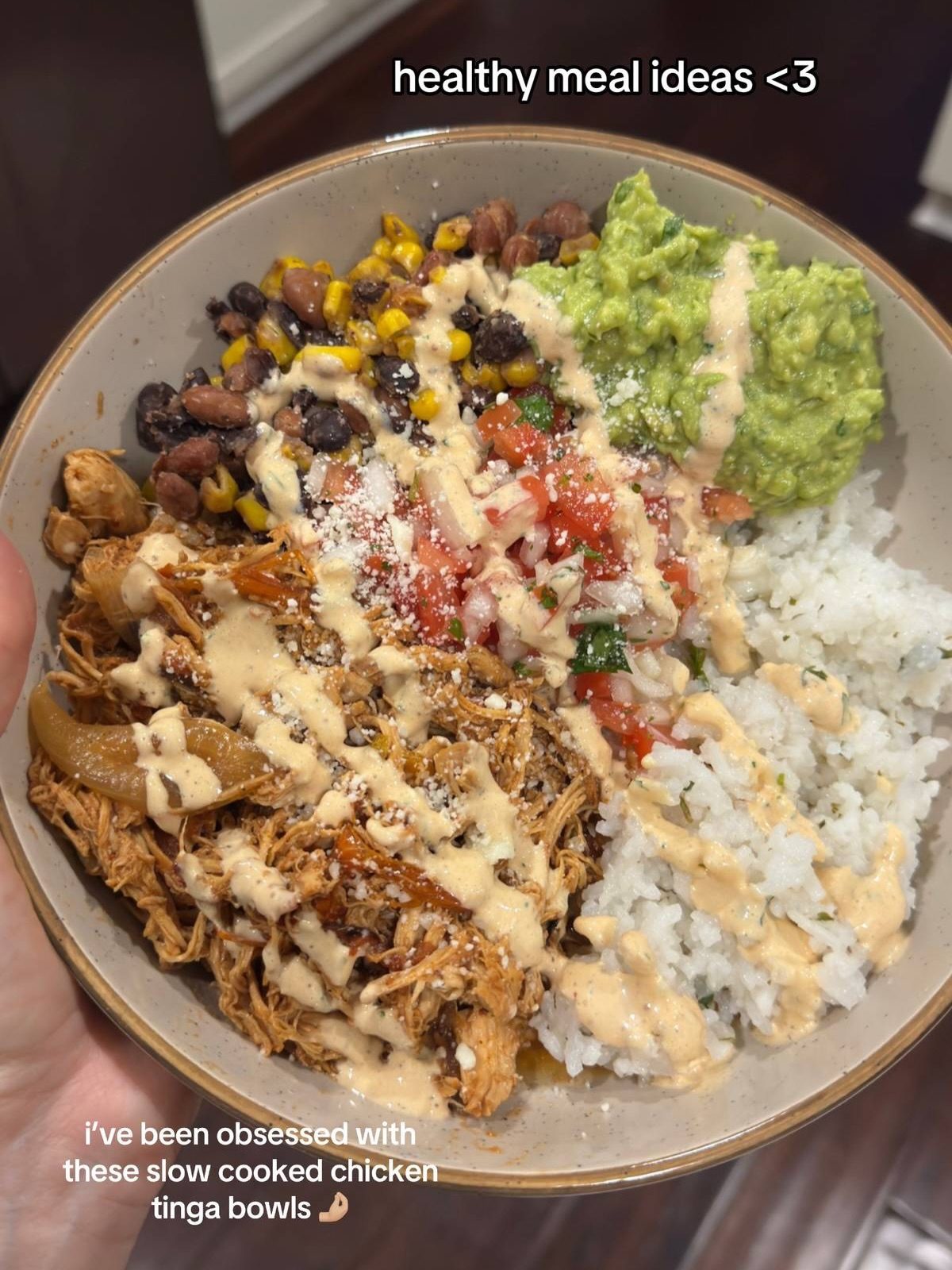
Chicken Tinga Bowls
One standout meal that fits this balanced approach is the chicken tinga bowl. This dish typically includes:
- Slow-Cooked Chicken: Rich in protein and flavor, slow-cooked chicken is tender and easy to digest.
- Black Beans: A great source of plant-based protein and fiber.
- Corn: Adds a sweet crunch and more fiber.
- Rice: Provides complex carbohydrates for sustained energy.
- Guacamole: A creamy, healthy fat source that also adds a burst of flavor.
Chicken Street Tacos
Another crowd-pleaser is the chicken street taco. This dish is a fun twist on traditional tacos and can include:
- Corn Tortillas: A healthier alternative to flour tortillas, offering more fiber and nutrients.
- Chicken: Versatile and packed with protein.
- Corn: Served on the side, it provides a crunchy contrast to the soft tacos.
- Sauce and Cilantro: Add flavor and depth without extra calories.
Practical Tips
Meal Planning
Meal planning can make a world of difference in maintaining a balanced diet. Here are some tips to get you started:
- Prep in Advance: Set aside time each week to prep your meals. This can save you time and ensure you have healthy options readily available.
- Variety is Key: Mix up your ingredients to keep things interesting. Try new recipes and ingredients to avoid boredom.
- Portion Control: Use smaller plates and bowls to control portion sizes and avoid overeating.
- Stay Hydrated: Drink plenty of water throughout the day. Sometimes, our bodies confuse thirst for hunger.
Tracking Your Nutrition
Using a mobile app like Workit can be a game-changer. This app not only helps you track your calorie and macro intake but also provides data-driven insights to help you reach your goals. Here’s how it can benefit you:
- Daily Goals: Set and monitor your daily calorie and macro goals.
- Tracking Workouts: Log your physical activities to see how they impact your nutrition needs.
- Rewards and Motivation: Earn rewards for staying active and consistent with your healthy habits.
Building Healthy Habits
Consistency is key when it comes to building healthy habits. Here are some strategies to stay on track:
- Small Steps: Start with small, manageable changes and gradually build up.
- Accountability: Use tools like Workit to keep yourself accountable.
- Routine: Establish a routine that includes regular meal times and workouts.
- Mindful Eating: Pay attention to your hunger and fullness cues. Eat slowly and savor your food.
Important Takeaways
- Balanced Meals: Include protein, real carbs, healthy fats, and lots of color in your meals.
- Meal Planning: Prep in advance, mix up your ingredients, and stay hydrated.
- Consistency: Small, consistent steps lead to lasting change.
- Accountability: Use tools like mobile apps to stay on track and motivated.
Conclusion
Embracing a balanced diet doesn’t have to be a chore. With the right approach, you can enjoy delicious, nutritious meals that keep you energized and satisfied. From chicken tinga bowls to street tacos, there are countless options to explore. Combine these ideas with tools like mobile nutrition apps to build a sustainable and enjoyable healthy lifestyle. Start small, stay consistent, and savor every bite.
Watch the Reel
Questions readers ask
What are the key components of a balanced meal?
A balanced meal typically includes three main components: protein, real carbohydrates, and healthy fats. Protein aids in muscle repair and maintenance, carbohydrates provide energy, and healthy fats support brain function and nutrient absorption.
How can I make my balanced meals more interesting?
To make your balanced meals more interesting, experiment with different ingredients, spices, and cooking methods. Incorporate a variety of vegetables, try new recipes, and plan your meals to ensure you have a mix of nutrients and flavors each day.
Why is it important to include healthy fats in my meals?
Healthy fats are crucial for a balanced diet because they support brain function, help absorb fat-soluble vitamins, and contribute to a feeling of fullness, which can prevent overeating. Examples of healthy fats include avocados, nuts, seeds, and olive oil.
What are some good sources of protein for a balanced meal?
Good sources of protein include lean meats, poultry, fish, eggs, legumes, and dairy products. Incorporating plant-based proteins like tofu, tempeh, and lentils can also add variety and nutrients to your meals.
How can I plan balanced meals for the week?
To plan balanced meals for the week, start by choosing a variety of protein sources, whole grains, and healthy fats. Create a meal schedule that includes different combinations of these components, and make a grocery list based on your plan to ensure you have all the necessary ingredients.
Why is it beneficial to focus on real carbohydrates instead of refined ones?
Real carbohydrates, such as whole grains, fruits, and vegetables, provide sustained energy and are packed with fiber, vitamins, and minerals. Refined carbohydrates, on the other hand, can lead to energy spikes and crashes, and lack the nutritional benefits of their whole-grain counterparts.
Recent articles
Fresh deep dives from the latest Reels we unpacked.




Comments
Be the first to comment.