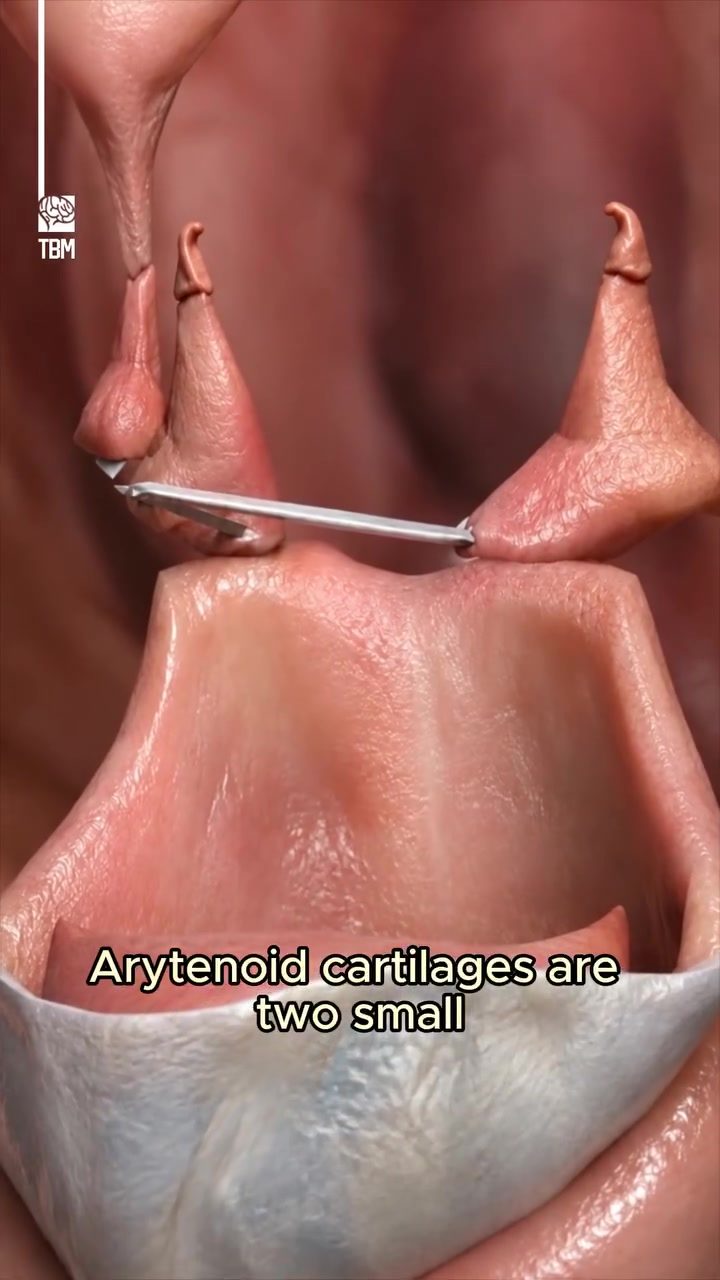
The Arytenoid Cartilages: The Tiny Controllers of Your Voice
The arytenoid cartilages are two small, pyramid-shaped structures nestled within the larynx. Despite their diminutive size, these cartilages play a monumental role in our ability to speak and breathe. They are the tiny controllers that orchestrate the complex movements of the vocal cords, regulating airflow and sound production with remarkable precision.
Why This Matters
The arytenoid cartilages are crucial for more than just speech. They are essential for airway protection and normal respiration. Understanding their function and structure provides insight into how we produce sound, breathe, and even protect our airways from obstruction.
Anatomy and Function
Structure and Location
The arytenoid cartilages are located in the larynx, the voice box, positioned above the trachea. Each cartilage is about 1 centimeter in height and connects to the vocal cords and surrounding muscles. They are pyramid-shaped and sit at the top of the larynx, forming part of the cartilaginous framework that supports the vocal apparatus.
Mechanical Function
The arytenoid cartilages control the movement of the vocal cords through a complex interplay of muscles. When muscles contract, they rotate and slide the arytenoids, which in turn open or close the glottis. The glottis is the space between the vocal cords, and its regulation is vital for both breathing and phonation (sound production).
Here’s how it works:
- Opening the Glottis: During inhalation, the arytenoid cartilages slide apart, allowing the vocal cords to separate. This opens the glottis, facilitating the smooth passage of air into the lungs.
- Closing the Glottis: During exhalation, especially when producing sound, the arytenoid cartilages rotate and slide together, bringing the vocal cords closer. This closes the glottis partially, creating the vibration necessary for sound production.
Balancing Flexibility and Stability
Despite their small size, the arytenoid cartilages bear significant mechanical stress. They must balance flexibility with stability to ensure that the vocal cords can move freely while maintaining structural integrity. This balance is achieved through the precise control of surrounding muscles, which contract and relax to adjust the tension and position of the vocal cords.
Role in Speech and Breathing
Speech Production
The arytenoid cartilages are essential for speech production. They enable the vocal cords to come together for phonation, creating the vibrations that produce sound. The precise movements of the arytenoids allow for the fine-tuning of pitch and volume, making human speech possible.
Airway Protection
Beyond speech, the arytenoid cartilages play a critical role in airway protection. During breathing, they ensure that the glottis opens and closes correctly, preventing airway obstruction. This is particularly important during activities like eating and drinking, where the risk of aspiration (inhaling food or liquid into the lungs) is present.
Damage and Dysfunction
Damage or dysfunction of the arytenoid cartilages can have serious consequences. Such issues can lead to voice disorders, making it difficult to speak clearly or project sound effectively. In severe cases, it can also compromise the airway, leading to breathing difficulties and other respiratory issues.
Common Issues
- Voice Disorders: Conditions like vocal cord paralysis, where the nerves controlling the vocal cords are damaged, can affect the function of the arytenoid cartilages. This can result in a weak, breathy voice or even complete loss of voice.
- Airway Compromise: Trauma or medical conditions that affect the larynx can damage the arytenoid cartilages, leading to airway obstruction. This can be life-threatening and requires immediate medical attention.
Practical Tips for Maintaining Vocal Health
Hydration
Keeping the vocal cords hydrated is crucial for their proper function. Drink plenty of water throughout the day to maintain optimal vocal health.
Vocal Rest
Avoid overusing your voice, especially if you are experiencing vocal strain or hoarseness. Give your vocal cords time to rest and recover.
Proper Technique
Use proper vocal techniques to avoid straining your vocal cords. This includes breathing from your diaphragm, maintaining good posture, and not shouting or speaking loudly for extended periods.
Medical Care
If you experience persistent vocal issues or breathing difficulties, consult a healthcare professional. They can provide a thorough evaluation and recommend appropriate treatments.
Important Takeaways
Critical Role
The arytenoid cartilages, despite their small size, play a critical role in speech and breathing. Their precise control over the vocal cords allows for the nuanced and powerful human voice.
Complex Interplay
The interplay between the arytenoid cartilages and surrounding muscles is a testament to the intricate design of the human body. This complex mechanism enables the vocal cords to move with both flexibility and stability.
Importance of Care
Proper care and maintenance of the vocal apparatus are essential for long-term vocal health. Avoiding strain, maintaining hydration, and seeking medical care when necessary can help preserve the function of the arytenoid cartilages.
Conclusion
The arytenoid cartilages are tiny but mighty structures that control vocal cord movement, making speech and breathing possible. By understanding their function and the critical role they play in our daily lives, we can appreciate the intricate workings of the human voice and the importance of maintaining vocal health. Whether you are a professional singer, a public speaker, or simply someone who values clear communication, taking care of your vocal cords is essential for preserving this remarkable ability.
Watch the Reel
Questions readers ask
What are the primary functions of the arytenoid cartilages?
The arytenoid cartilages serve two main functions: controlling the movement of the vocal cords to facilitate speech and regulating the opening of the glottis to manage airflow during breathing. They are essential for both sound production and airway protection.
How do the arytenoid cartilages enable speech?
These tiny structures control the tension and position of the vocal cords, which is crucial for producing different sounds. By adjusting the vocal cords, the arytenoid cartilages allow us to change the pitch and volume of our voice, enabling us to speak clearly and effectively.
Where are the arytenoid cartilages located?
The arytenoid cartilages are situated within the larynx, specifically at the top of the laryngeal prominence. They are part of the intricate structure of the larynx, which includes other cartilages and muscles that work together to support breathing and phonation.
What role do the arytenoid cartilages play in breathing?
During inhalation, the arytenoid cartilages help to open the glottis, the space between the vocal cords, allowing air to flow into the lungs. Conversely, during exhalation, they assist in closing the glottis to control the release of air, which is vital for maintaining proper respiration.
Are there two arytenoid cartilages, and what is their shape?
Yes, there are two arytenoid cartilages, one on each side of the larynx. They are pyramid-shaped, with a base that articulates with the cricoid cartilage and an apex that provides attachment for various muscles involved in vocal cord movement.
How do the arytenoid cartilages protect the airways?
The arytenoid cartilages contribute to airway protection by controlling the closure of the vocal cords. When we swallow or inhale, the vocal cords are brought together to prevent foreign objects from entering the airways and to direct food and liquid toward the esophagus.
What happens if the arytenoid cartilages are damaged?
Damage to the arytenoid cartilages can lead to significant issues with both speech and breathing. Symptoms may include hoarseness, loss of vocal control, difficulty breathing, and an increased risk of aspiration, where food or liquid enters the airways. Medical intervention may be necessary to address these problems.
Related deep dives
Similar reads based on topic and creator.

Recent articles
Fresh deep dives from the latest Reels we unpacked.




Comments
Be the first to comment.