Introduction to Brownies
Brownies are a classic dessert that combines a rich chocolate flavor with a fudgy or cake-like texture. They are a favorite among many, especially those with a sweet tooth. Whether you're a seasoned baker or a novice in the kitchen, mastering the art of making perfect brownies is a rewarding experience. This article will guide you through the essential aspects of baking delicious chocolate brownies, from understanding the ingredients to practical tips to achieve the perfect texture and appearance.
Context / Why This Matters
Brownies are more than just a dessert; they are a comforting treat that can be enjoyed on various occasions. Whether you're celebrating a birthday, hosting a party, or simply craving something sweet, brownies are a reliable choice. Their versatility allows for numerous variations, from classic chocolate to decadent additions like nuts, caramel, or fruity elements. Understanding the key components and techniques for making brownies can elevate your baking skills and impress your friends and family.
Brownie Basics
Ingredients
The foundation of a great brownie lies in its ingredients. The primary components include:
- Flour: Provides structure and stability.
- Sugar: Adds sweetness and contributes to the brownie's texture.
- Cocoa Powder or Melted Chocolate: Delivers the rich chocolate flavor.
- Eggs: Act as a binder and contribute to the brownie's rise and texture.
- Butter or Oil: Adds moisture and richness.
- Vanilla Extract: Enhances the overall flavor.
Types of Brownies
Brownies can be categorized into two main types based on their texture:
- Fudgy Brownies: Dense and rich, with a soft, almost molten center. These are achieved by using more fat (butter or oil) and less flour.
- Cakey Brownies: Lighter and more airy, with a crumb similar to a cake. These are made with more flour and often include a leavening agent like baking powder.
Achieving the Perfect Texture
Chocolate Glaze and Drizzle
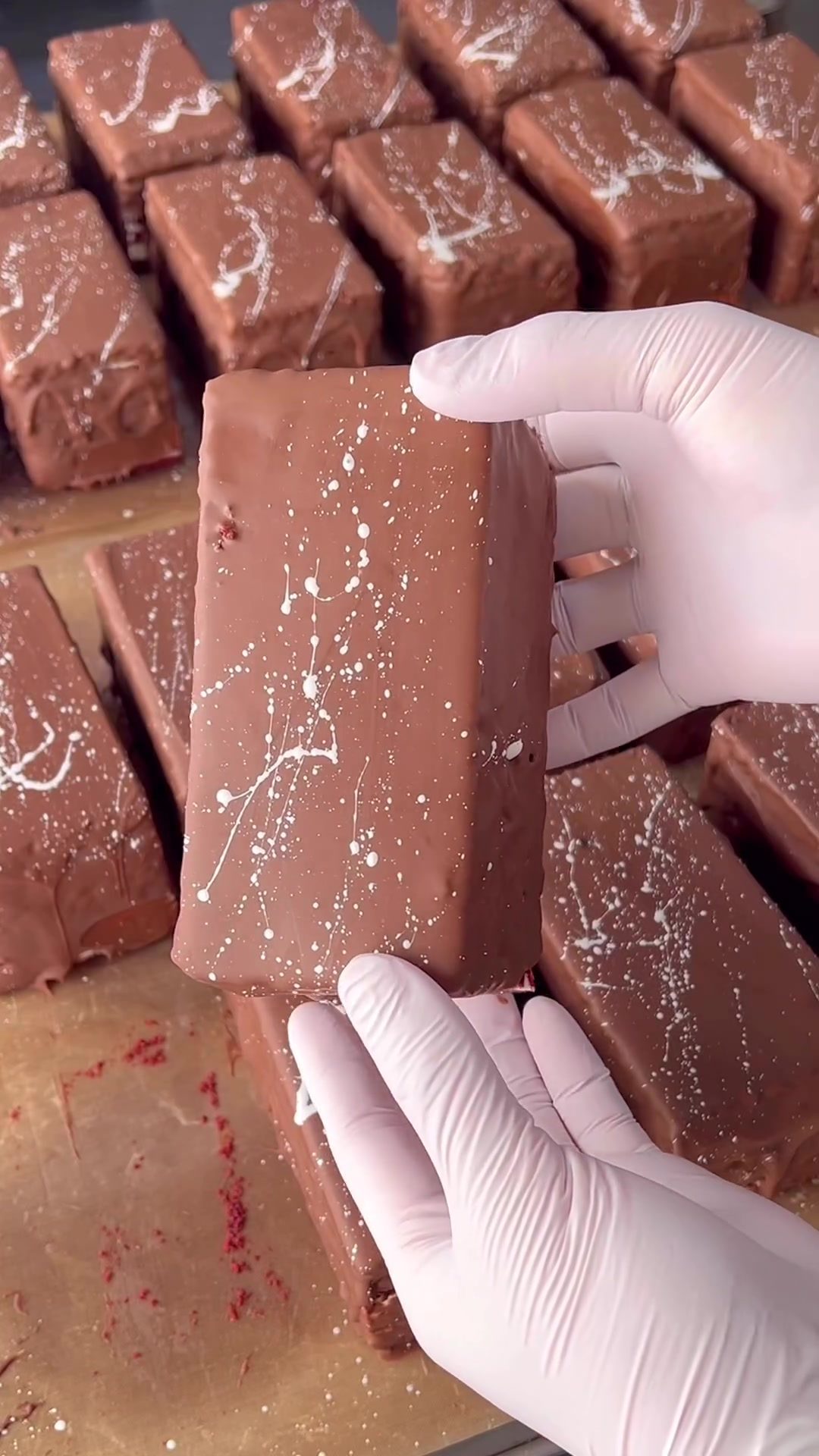
One of the highlights of the brownies showcased is the chocolate glaze and white drizzle. This not only enhances the visual appeal but also adds an extra layer of flavor. The glaze can be made by melting chocolate with a bit of butter or oil, while the drizzle can be achieved by melting white chocolate and adding a small amount of food coloring for a contrasting effect. Be sure to let the glaze and drizzle set before slicing the brownies to avoid a messy presentation.
Texture and Appearance
The texture of brownies is crucial to their overall appeal. To achieve a fudgy texture, it's important to avoid overmixing the batter. This ensures that the brownies remain dense and moist. Additionally, using a higher ratio of sugar to flour can help create a chewy, fudgy center. For a cakey texture, incorporating more flour and using a leavening agent will give the brownies a lighter, airier crumb.
Practical Tips
Baking Tips
- Preheat Your Oven: Ensure your oven is preheated to the correct temperature before baking. This helps the brownies rise evenly and prevents undercooking or overcooking.
- Use the Right Pan: A square or rectangular baking pan is ideal for brownies. Choose a pan size that matches the recipe to ensure the right thickness.
- Avoid Overmixing: Overmixing the batter can lead to tough, cakey brownies. Mix just until the ingredients are combined.
- Check for Doneness: Use a toothpick to check the center of the brownies. If it comes out clean, the brownies are done. For fudgy brownies, a few moist crumbs are acceptable.
Decorating Tips
- Chocolate Glaze: Melt chocolate chips with a bit of butter or oil for a smooth, glossy glaze. Spread it evenly over the cooled brownies.
- White Drizzle: Melt white chocolate and drizzle it over the glaze in a zigzag pattern. Allow it to set before slicing.
- Additional Toppings: Feel free to experiment with other toppings like chopped nuts, sprinkles, or fresh berries for added flavor and texture.
Important Takeaways
- Ingredient Quality: Using high-quality ingredients, especially cocoa powder or chocolate, can significantly enhance the flavor of your brownies.
- Texture Control: The ratio of sugar to flour and the amount of fat (butter or oil) used will determine the texture of your brownies.
- Baking Technique: Preheating the oven, using the right pan, and avoiding overmixing are crucial for achieving the perfect brownie.
- Decorating: Adding a chocolate glaze and white drizzle can elevate the visual appeal and flavor of your brownies.
Conclusion
Making perfect chocolate brownies involves understanding the key ingredients, techniques, and tips for achieving the desired texture and appearance. Whether you prefer fudgy or cakey brownies, mastering the art of baking them can be a rewarding experience. By following the practical tips and takeaways outlined in this article, you'll be well on your way to creating Brownies that are not only delicious but also visually stunning. Happy baking!
Watch the Reel
Questions readers ask
What are the essential ingredients for making chocolate brownies?
The essential ingredients for chocolate brownies typically include flour, sugar, cocoa powder, eggs, butter, and vanilla extract. Each of these ingredients plays a crucial role in achieving the desired texture and flavor. For example, the ratio of flour and sugar to cocoa powder and butter influences the brownies texture, whether fudgy or cakey.
How can I achieve a fudgy texture in my brownies?
To achieve a fudgy texture, you should use a higher ratio of butter and sugar to flour and use melted chocolate. You should also avoid over-baking your brownies. A good rule of thumb is to bake them until a toothpick inserted in the center comes out with a few moist crumbs. Avoid over-mixing the batter.
What is the key difference between cakey and fudgy brownies?
The main difference between cakey and fudgy brownies lies in their texture and the ratio of ingredients. Cakey brownies have a lighter, airier texture due to a higher ratio of flour and leavening agents like baking powder. Fudgy brownies, on the other hand, have a denser, more moist texture achieved by using more butter, sugar, and cocoa powder and less flour.
What are some practical tips for baking brownies at home?
To ensure successful brownie baking, preheat your oven to the correct temperature, use the right ingredients, and follow the recipe precisely. Use a proper baking dish and line it with parchment paper for easy removal. Avoid overmixing the batter and be gentle when folding in dry ingredients. Use a toothpick to test for doneness.
Can I substitute ingredients in a brownie recipe?
While some substitutions can be made, such as using dark or milk chocolate instead of semi-sweet, or oil instead of butter, it is generally best to stick to the recipe for your first few attempts. Different ingredients can affect the texture and flavor of the brownies, so it's important to understand how each ingredient contributes to the final product.
How do I know when my brownies are done baking?
Brownies are typically done when a toothpick inserted into the center comes out with a few moist crumbs. Be careful not to overbake, as this can result in dry brownies. Every oven is different, so it's a good idea to start checking a few minutes before the recipe suggests. Fudgy brownies may require less baking time than cakey ones.
What are some common mistakes to avoid when making brownies?
Common mistakes include overmixing the batter, which can lead to tough brownies, and overbaking, which can result in dry brownies. Additionally, using cold ingredients or not preheating the oven can affect the texture and rise of the brownies. Always measure ingredients accurately and follow the recipe instructions closely.
Recent articles
Fresh deep dives from the latest Reels we unpacked.




Comments
Be the first to comment.