Diet Transformation: A Balanced Approach
Embarking on a diet transformation involves more than simply reducing calorie intake; it's about learning to eat better, which means more nutrient-dense food. It entails a journey from processed, high-calorie foods to a balance of proteins, carbohydrates, fruits, and vegetables.
Why This Matters
Your diet plays a crucial role in your overall health, energy levels, and fitness goals. Understanding the progression from unhealthy to nourishing eating habits not only enhances your body’s health but also boosts your mental well-being. A balanced diet helps sustain energy throughout the day, improves your mood, and supports overall fitness goals.
The Progression of a Balanced Diet
Starting Point: Indulgent Foods
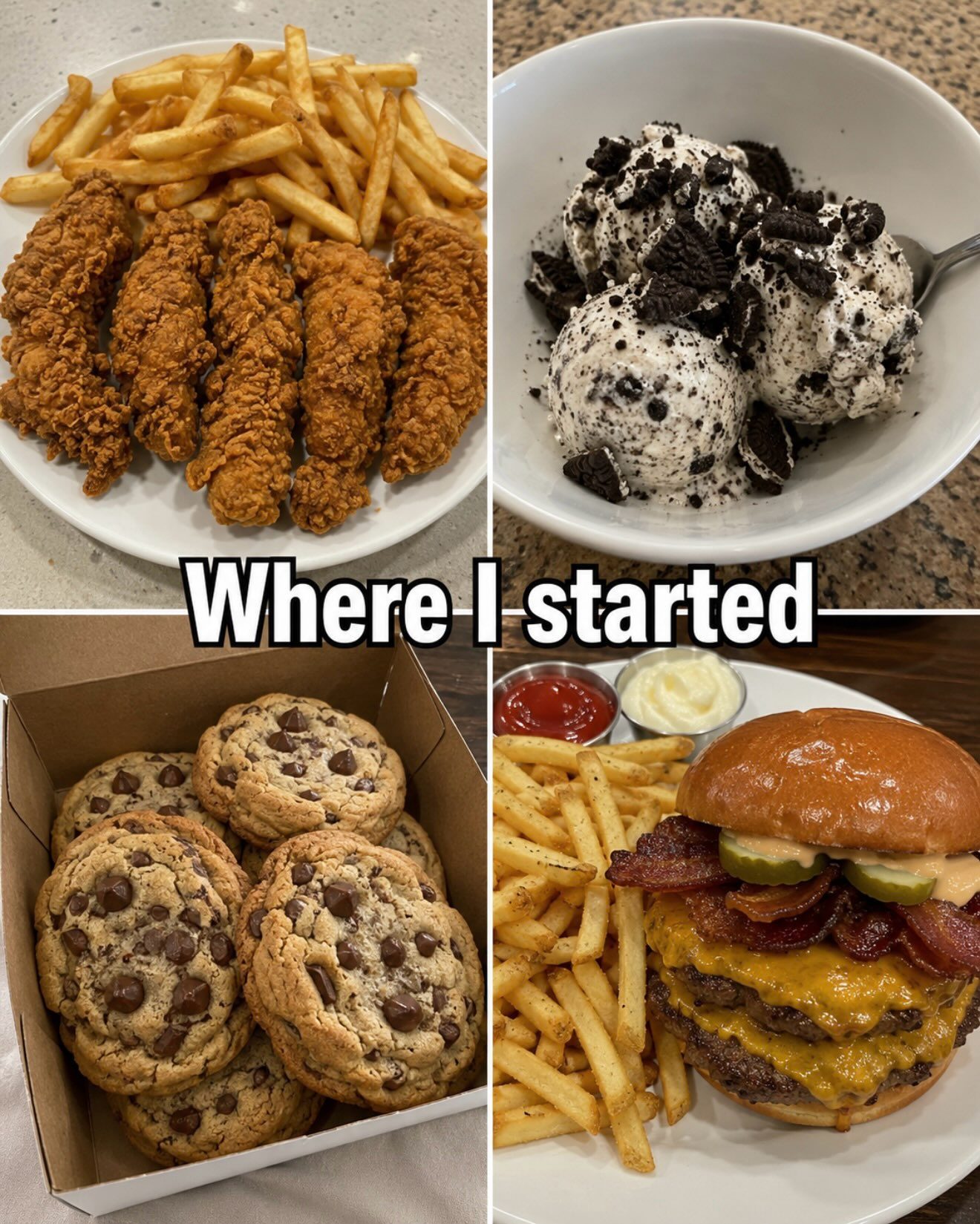
Initially, a diet often consists of processed, indulgent foods. This typically includes fried chicken, ice cream, cookies, and oversized desserts. These foods are high in calories and low in nutritional value. They provide instant satisfaction but offer little in terms of balanced nutrition.
Transition Phase: Simpler Meals
As part of the transformation, meal choices might shift towards simpler, less satisfying options. This phase often includes meals like boiled eggs, plain rice, and chicken. While this is a step in the right direction, it can sometimes lack the joy and satisfaction of a well-balanced meal.
Current State: Healthy, Balanced Meals
In the final stage, meals are markedly different. They include an array of proteins, carbohydrates, fruits, and vegetables. This balanced diet not only supports your fitness goals but also keeps your energy levels stable and satisfaction high.
Incorporate Essential Nutrients
-
Protein: A reliable protein source is essential. This could be lean meats, fish, eggs, or plant-based proteins like lentils and beans.
-
Carbohydrates: Ensure you get enough carbohydrates for sustained energy. This doesn't mean loading up on processed carbs; choose whole grains, fruits, and vegetables instead.
-
Healthy Fats: Healthy fats from sources like avocados, nuts, and olive oil can keep you feeling full and satisfied.
-
Fruits and Vegetables: These are essential for their fiber and micronutrient content. They add color and variety to your meals, making them more enjoyable.
-
Portions: Pay attention to portion sizes. You want to feel nourished, not starved. This helps in maintaining a balanced diet without feeling deprived.
Practical Tips
Consistency and Variety
Maintaining a balanced diet requires consistency and variety. It's about building habits that you can repeat. This might involve planning meals, meal prepping, and experimenting with new recipes. Consistency ensures that your body gets the nutrients it needs regularly.
Avoiding Extremes
Avoid swinging between extremes. Extreme diets that involve severely restricting calories or cutting out entire food groups can be unsustainable. The goal is to find a middle ground where you enjoy your meals and feel satisfied.
Sustaining a Balanced Meal Plan
Focus on adding more nutrient-dense foods to your diet rather than just taking away the unhealthy ones. This approach ensures that you're getting the nutrients you need, and it allows for occasional treats. A balanced meal plan can include everything from burgers to fruit salad, as long as it's balanced.
Important Takeaways
- Healthy eating is about building meals that support your goals, not just about restricting food.
- Consistency and variety are key to maintaining a balanced diet.
- Include a variety of nutrient-dense foods in your diet.
- Avoid swinging between extremes and instead focus on a sustainable, balanced approach.
- Enjoy your meals and make sure they keep you satisfied.
Conclusion
In summary, diet progression is a journey from indulgent, processed foods to a balanced, nourishing diet. This transformation isn't about extremes but about finding a balance that supports your goals, keeps you satisfied, and is realistic enough to maintain. The key is to learn how to eat better, not just how to eat less. By incorporating a variety of nutrient-dense foods and focusing on consistency, you can achieve a healthier, more sustainable lifestyle.
Watch the Reel
Questions readers ask
What are the key components of a balanced diet plan?
A balanced diet plan typically includes a mix of proteins, carbohydrates, fruits, and vegetables. Proteins support muscle growth and repair, carbohydrates provide energy, while fruits and vegetables offer essential vitamins, minerals, and fiber. Healthy fats, such as those found in avocados and nuts, are also crucial for overall health.
Where to start with a diet transformation?
Begin by gradually reducing processed and high-calorie foods. Start with small, achievable steps like swapping fried foods for baked or grilled options. Incorporate more fruits and vegetables into your meals, and opt for lean proteins and whole grains. Keeping a food journal can help track your progress and identify areas for improvement.
How can I maintain energy levels while changing my diet?
To sustain energy levels during a diet transformation, focus on consuming balanced meals that include complex carbohydrates, lean proteins, and healthy fats. These nutrient-dense foods provide a steady release of energy. Staying hydrated by drinking plenty of water and getting regular exercise can also help maintain your energy levels throughout the day.
What are some healthy meal ideas for a balanced diet?
Healthy meal ideas include grilled chicken with quinoa and steamed vegetables, baked salmon with a side of sweet potatoes and green beans, or a stir-fry with tofu, colorful vegetables, and brown rice. These meals combine lean proteins, complex carbohydrates, and a variety of fruits and vegetables to ensure a balanced intake of nutrients.
What are some reliable healthy food sources?
Reliable sources of healthy foods include fresh, whole foods like fruits, vegetables, lean meats, fish, whole grains, and legumes. Opt for locally sourced, seasonal produce, and consider organic options when possible. Additionally, look for minimally processed foods and avoid those with long lists of ingredients and added sugars.
How do I stop eating fried foods?
To reduce fried foods, start by identifying healthier alternatives. For example, instead of fried chicken, try baked or grilled chicken. When dining out, request dishes to be cooked without added oils. Cooking at home allows greater control over the preparation methods and can help you explore healthier options that are just as satisfying.
What are the benefits of healthy eating habits beyond physical health?
Healthy eating habits have a significant impact on your mental well-being, improving mood and reducing symptoms of stress and anxiety. A balanced diet supports brain function and cognitive health. Healthy food choices also contribute to better sleep and overall vitality, enhancing your quality of life in various aspects.
Recent articles
Fresh deep dives from the latest Reels we unpacked.




Comments
Be the first to comment.