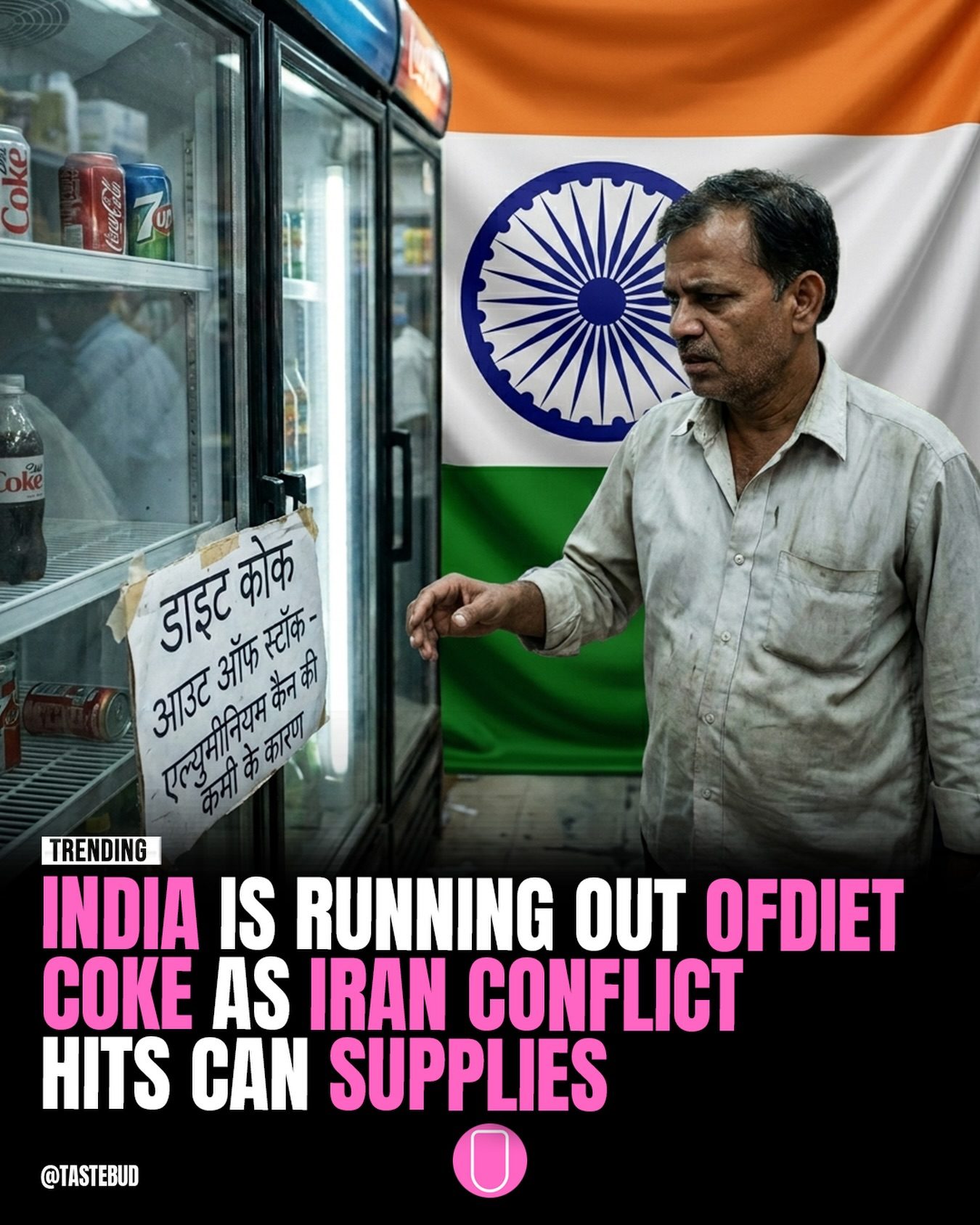
Diet Coke Shortage in India
India is currently facing a significant shortage of Diet Coke, particularly in major cities like Mumbai and Bengaluru. The scarcity is primarily due to delays in the shipment of aluminum cans from the Gulf region, driven by supply chain disruptions tied to tensions near the Strait of Hormuz. Retail stores and online platforms are already experiencing low stock levels, making it increasingly difficult for consumers to find their favorite diet soda.
Why This Matters
The Strait of Hormuz is a critical chokepoint for global trade, with significant oil and aluminum shipments passing through it. Disruptions in this region can have far-reaching effects on various industries, including the beverage sector. The ongoing tensions have led to delays in the supply of aluminum cans, which are essential for packaging Diet Coke and other beverages. This shortage is a stark reminder of how geopolitical issues can impact everyday consumer products, affecting availability and pricing.
The Impact on Indian Cities
Major Metropolises Hit Hardest
Cities like Mumbai and Bengaluru are feeling the pinch of the Diet Coke shortage the most. These urban centers have a high demand for Diet Coke due to their large populations and bustling food and beverage industries. The lack of supply is causing frustration among consumers who rely on Diet Coke for its low-calorie, sugar-free alternative to regular soda.
Supply Chain Disruptions Explained
The problems began with the disruption of aluminum can shipments from the Gulf region. Delays in these shipments have directly impacted the availability of Diet Coke in Indian markets. The Strait of Hormuz, a narrow waterway connecting the Persian Gulf to the Arabian Sea, is a critical route for global shipping. Any disruption in this region can have cascading effects on supply chains worldwide.
Understanding the Role of Aluminum Cans
Why Aluminum Cans are Crucial
Aluminum cans are a crucial component in the beverage industry. They are lightweight, recyclable, and provide excellent protection for the beverage inside. Coca-Cola, like many other beverage companies, relies heavily on aluminum cans for packaging their products. The shortage of these cans has directly affected the availability of Diet Coke in the market.
Alternatives to Aluminum Cans
While aluminum cans are the preferred packaging material for Diet Coke, there are alternatives that beverage companies can explore. Plastic bottles, glass bottles, and even recyclable cartons can be used as substitutes. However, each of these alternatives has its own set of challenges, including cost, sustainability, and consumer acceptance.
Practical Tips for Consumers
Stock Up When Available
If you are a regular Diet Coke consumer, it might be a good idea to stock up whenever you find it in stores. Buying in bulk can help ensure you have a supply to last you through the shortage period.
Explore Alternatives
Consider exploring other diet soda brands or flavors. While it might not be your first choice, trying different options can help you find a suitable alternative. You can also look into other low-calorie beverages or even try making your own diet soda at home.
Support Local Producers
Supporting local beverage producers who might not be affected by the same supply chain disruptions can be another practical solution. Local producers often have more flexible supply chains and can adapt more quickly to shortages.
Important Takeaways
The Diet Coke shortage in India highlights the importance of a stable and resilient supply chain. Companies like Coca-Cola need to diversify their supply sources and explore alternative packaging materials to mitigate the impact of future disruptions. For consumers, being flexible and searching for alternatives can help navigate through periods of shortages.
Conclusion
The Diet Coke shortage in India is a reminder of how global events can impact local markets. While the situation may improve as supply chain issues are resolved, it underscores the need for companies to have robust contingency plans. For consumers, staying informed and flexible can help manage the challenges posed by such shortages. As we navigate through these challenges, it's essential to support each other and seek out alternative solutions whenever possible.
Watch the Reel
Questions readers ask
What is causing the Diet Coke shortage in India?
The Diet Coke shortage in India is primarily due to supply chain disruptions that have caused delays in the shipment of aluminum cans from the Gulf region. Tensions near the Strait of Hormuz have significantly impacted the flow of goods, leading to this scarcity.
Which cities in India are most affected by the Diet Coke shortage?
Major cities like Mumbai and Bengaluru are experiencing the most significant shortages of Diet Coke. Retail stores and online platforms in these areas have reported low stock levels, making it challenging for consumers to purchase the product.
How are supply chain disruptions in the Strait of Hormuz affecting the beverage industry?
The Strait of Hormuz is a crucial chokepoint for global trade, and disruptions in this region can have widespread effects. For the beverage industry, these disruptions are leading to delays in the supply of essential materials like aluminum cans, resulting in shortages of products like Diet Coke.
Why is it becoming harder to find Diet Coke in India?
The scarcity of Diet Coke in India is a direct result of delayed shipments of aluminum cans. These delays are caused by supply chain disruptions in the Gulf region, making it increasingly difficult for consumers to find Diet Coke in stores and online platforms.
What role do aluminum cans play in the Diet Coke shortage?
Aluminum cans are an essential component in the production and distribution of Diet Coke. The shortage of these cans, due to supply chain disruptions, has led to a significant decrease in the availability of Diet Coke in the market, particularly in major cities like Mumbai and Bengaluru.
What should consumers do if they can't find Diet Coke in stores?
Consumers who are unable to find Diet Coke in stores due to the shortage should consider checking online platforms for availability. Additionally, exploring alternative diet sodas or waiting for the situation to improve as supply chains stabilize might be necessary.
How long might the Diet Coke shortage in India last?
The duration of the Diet Coke shortage in India is dependent on the resolution of the supply chain disruptions in the Gulf region. Once tensions near the Strait of Hormuz subside and the flow of aluminum cans resumes, the shortage is expected to gradually improve, though a specific timeline is difficult to predict.
Related deep dives
Similar reads based on topic and creator.



Recent articles
Fresh deep dives from the latest Reels we unpacked.




Comments
Be the first to comment.