Diamond Market Analysis
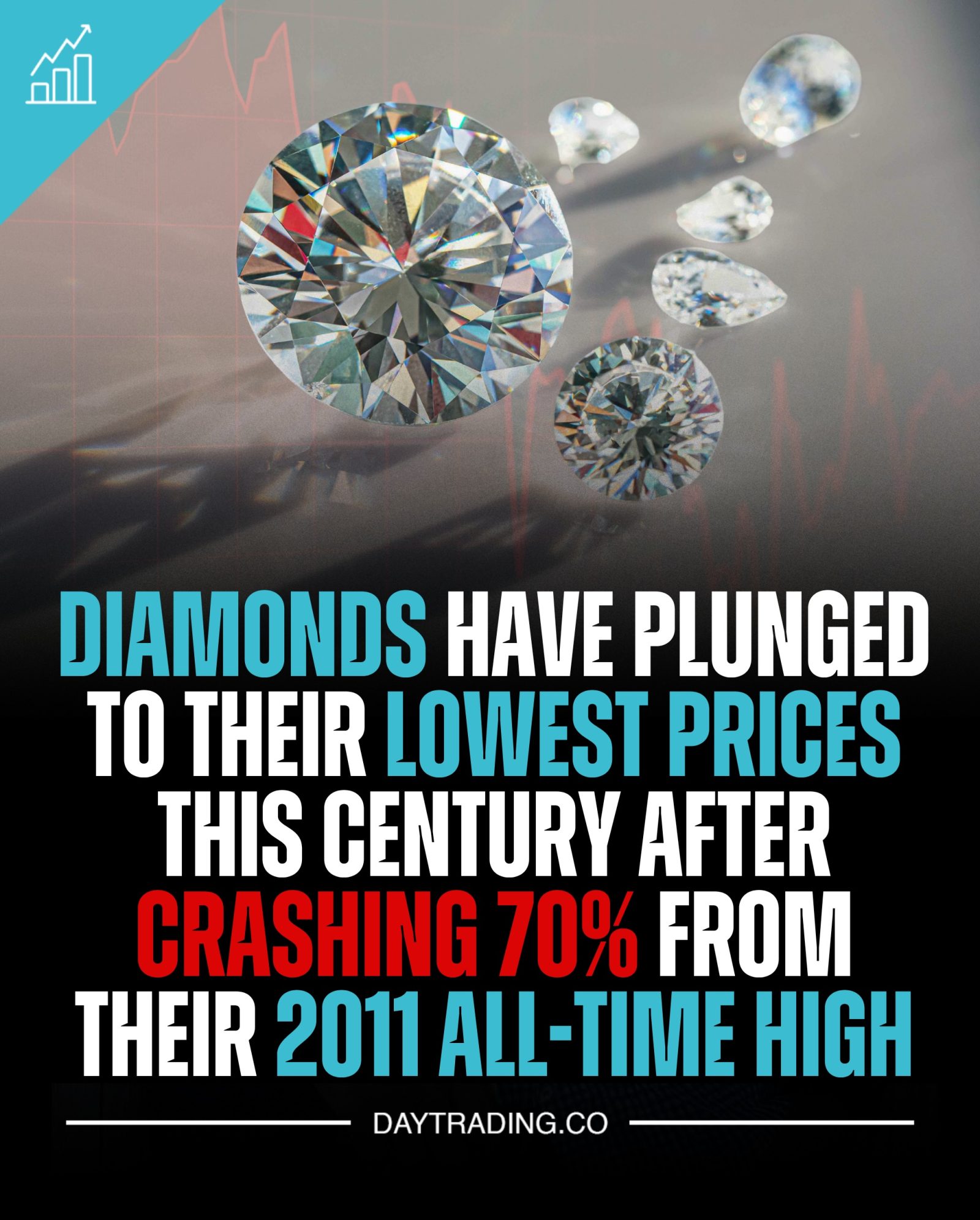
Natural diamond prices have significantly declined, highlighting the challenges faced by the industry. In recent years, there are a number of factors impacting the market's value. Combined, these factors suggest that the financial landscape of natural diamonds is shifting.
Why This Matters
The diamond market is a critical component of the global luxury goods sector. Fluctuations in diamond prices can have ripple effects on various industries, from jewelry manufacturing to retail and even financial markets. Understanding the factors driving these price drops is essential for investors, industry professionals, and consumers alike.
Factors Driving the Price Decline
Impact of Lab-Grown Diamonds
A major factor in the price decline of natural diamonds is the rise of lab-grown diamonds. These synthetic diamonds offer a more affordable alternative to natural stones, particularly for engagement rings. According to DAYTRADING.CO, lab-grown diamonds have captured a growing share of the engagement ring market. This shift has put significant downward pressure on the prices of natural diamonds, as consumers opt for the more cost-effective option.
Weak Demand in Major Markets
Weaker demand in major markets, such as China and India, has further exacerbated the price decline. These countries are traditionally significant consumers of diamonds, but recent economic uncertainties and changing consumer preferences have led to reduced demand. This decrease in demand has contributed to the overall market downturn, driving prices to their lowest levels this century.
De Beers' Production Pause
The downturn in the diamond market is also affecting major producers. De Beers, one of the world's largest diamond mining companies, has paused production at its Venetia mine for two years. This decision underscores the severe impact of the market downturn on even the most established players in the industry. Rough diamond prices remaining far below recent highs are pushing producers to reassess their operations and strategies.
Main Discussion
Historical Perspective
To fully grasp the current state of the diamond market, it's essential to look at the historical price trends. Natural diamond prices have seen significant fluctuations over the years, but the recent 70% drop from their 2011 peak is particularly notable. This decline is the most substantial in the past decade, reflecting a significant shift in market dynamics.
Market Dynamics and Consumer Behavior
The diamond market is influenced by a complex interplay of factors, including supply and demand, technological advancements, and consumer preferences. The rise of lab-grown diamonds has disrupted traditional market dynamics, offering consumers a more affordable and ethically sourced alternative to natural diamonds. This shift in consumer behavior has led to a decrease in demand for natural diamonds, further contributing to the price decline.
Economic Factors
Economic conditions in major diamond-consuming countries have also played a role in the market downturn. Economic uncertainties and changing consumer preferences have led to a decrease in demand for luxury goods, including diamonds. This reduced demand has put additional pressure on natural diamond prices, driving them to their lowest levels this century.
Practical Tips
For Investors
If you are an investor in the diamond market, it's crucial to stay informed about the latest trends and developments. Keep an eye on the performance of major producers like De Beers and monitor market trends to make informed investment decisions.
For Consumers
For consumers, the current market conditions present an opportunity to purchase natural diamonds at lower prices. However, it's essential to consider the long-term value and sustainability of your purchase. Lab-grown diamonds offer a more affordable and ethically sourced alternative, but natural diamonds may hold their value better over time.
Important Takeaways
-
Price Decline: Natural diamond prices have fallen by about 70% from their 2011 peak, reaching their lowest levels this century.
-
Lab-Grown Diamonds: The rise of lab-grown diamonds has captured a growing share of the engagement ring market, putting downward pressure on natural diamond prices.
-
Weak Demand: Reduced demand in major markets and changing consumer preferences have contributed to the market downturn.
-
Producer Impact: Major producers like De Beers are pausing production in response to the market downturn, highlighting the severe impact on the industry.
-
Investment Opportunities: The current market conditions present both challenges and opportunities for investors and consumers alike.
Conclusion
The diamond market is navigating a challenging landscape with prices falling significantly and producers reassessing their strategies. Understanding the factors driving this decline, including the rise of lab-grown diamonds and weakened demand in major markets, is crucial for making informed decisions. Whether you're an investor or a consumer, staying informed about the latest trends and developments in the diamond market will help you navigate this dynamic and evolving sector.
Watch the Reel
Questions readers ask
What was the peak price of natural diamonds and when did it occur?
The peak price of natural diamonds occurred in 2011. Since then, prices have dropped significantly, with a 70% decrease from their highest point.
How have lab-grown diamonds affected the natural diamond market?
Lab-grown diamonds have introduced strong competition, leading to a significant drop in natural diamond prices. Their increasing popularity has disrupted the traditional diamond market dynamics.
Which markets have seen a weakening demand for natural diamonds?
Major markets, particularly those in the luxury goods sector, have experienced a weakened demand for natural diamonds. This shift has contributed to the overall price decline.
What industries are impacted by the diamond price crash?
The diamond price crash affects a range of industries, including jewelry manufacturing, retail, and financial markets. These sectors are interconnected and influenced by fluctuations in the diamond market.
How can consumers benefit from the drop in diamond prices?
Consumers can benefit from the drop in diamond prices by finding more affordable options for jewelry purchases. Additionally, understanding the current market trends can help consumers make more informed decisions when buying diamonds.
What historical data should be considered when analyzing the diamond market crash?
Analyzing historical diamond price data, especially from the 2011 peak, is crucial for understanding the current market crash. Factors such as demand, supply, and market trends should be considered when examining the diamond price index.
What should investors consider in light of the diamond market's recent trends?
Investors should closely monitor the diamond market trends and consider the impact of lab-grown diamonds, as well as the shifting consumer preferences in the luxury goods market. Keeping an eye on the latest financial news related to diamonds can help investors make informed decisions.
Recent articles
Fresh deep dives from the latest Reels we unpacked.




Comments
Be the first to comment.