Natural Disasters in China: Landslides, Tornadoes, and Floods
Central China has recently experienced a series of devastating natural disasters, including landslides, tornadoes, and floods. These events have caused significant damage and loss of life, prompting emergency responses and ongoing recovery efforts.
Why This Matters
Understanding the impact of these natural disasters is crucial for several reasons. First, it highlights the vulnerability of infrastructure and communities to extreme weather events. Second, it underscores the importance of preparedness and response mechanisms. Finally, it provides a context for discussing the role of engineering in mitigating the effects of such disasters.
Main Discussion
The Hubei Tornadoes
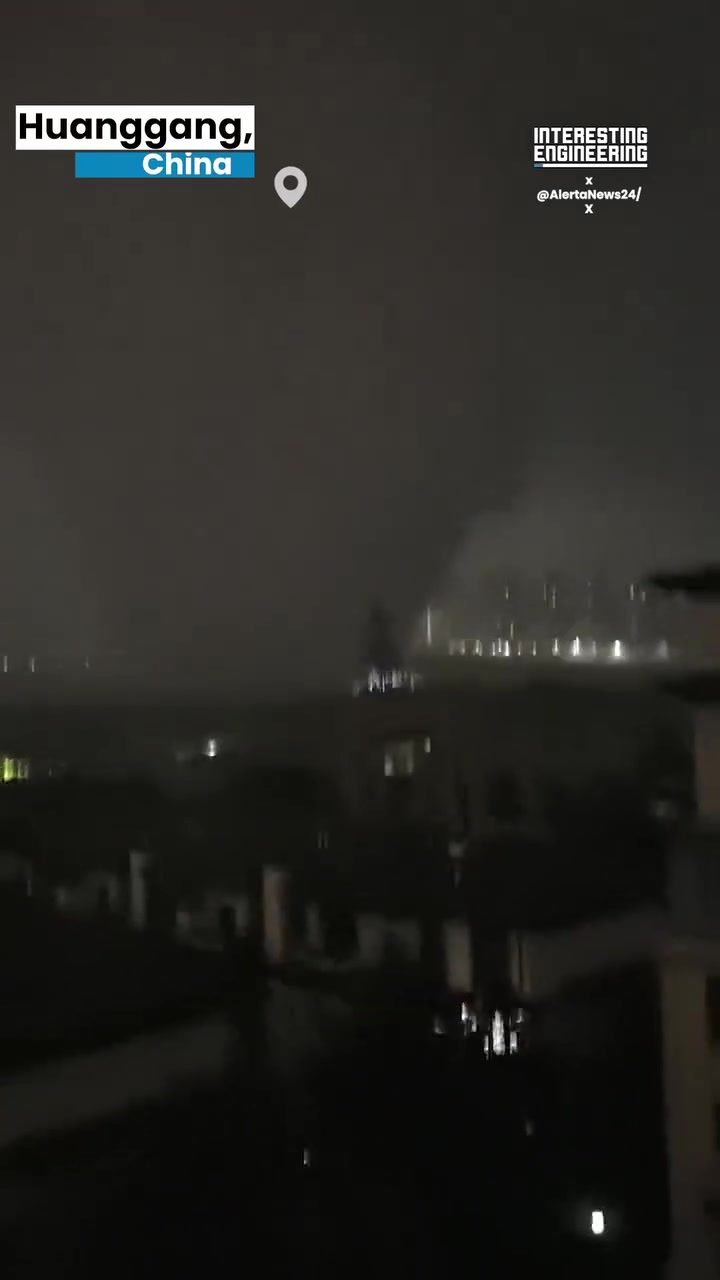
Two powerful tornadoes swept through central China's Hubei province, leaving a trail of destruction. The tornadoes reached wind speeds of up to 149 kilometers per hour (93 miles per hour), causing widespread damage across several cities, including Huangxi, Huanggang, Ezu, and Xianning. The storms overturned vehicles, ripped roofs from buildings, and left at least 11 people dead with one missing.
The Gansu Landslide
In Gansu, a landslide buried 33 people, adding to the toll of lives lost due to natural disasters in the region. Landslides are a significant hazard in mountainous areas and can be triggered by heavy rainfall, earthquakes, or other geological factors. The Gansu landslide serves as a stark reminder of the destructive power of these events and the need for effective monitoring and warning systems.
The Guangxi Floods
In Guangxi, flood alerts were raised to red as water levels surpassed warning thresholds at 70 monitoring stations. Floods are a recurring issue in many parts of China, and the frequency and severity of these events have been increasing due to climate change. The floods in Guangxi have led to significant disruptions in daily life and infrastructure damage.
Practical Tips
Preparedness and Response
Preparing for natural disasters involves several key steps. Firstly, it is essential to have an emergency plan in place. This includes identifying safe locations, establishing communication protocols, and stocking up on essential supplies such as food, water, and medical kits. Secondly, staying informed through reliable sources and monitoring weather updates can help in anticipating and responding to disasters effectively. Finally, participating in community drills and being aware of evacuation routes can enhance preparedness.
Infrastructure Resilience
Engineering plays a crucial role in mitigating the impact of natural disasters. Resilient infrastructure, including bridges, buildings, and roads, can withstand the forces of extreme weather events. For example, the large-scale engineering project in Huanggang, China, showcases the construction of a massive structure that can withstand natural disasters. Additionally, investing in early warning systems and evacuation routes can significantly reduce the loss of life and property.
Community Engagement
Community engagement is vital in disaster management. Local communities can play a pivotal role in identifying risks, sharing information, and participating in preparedness activities. Building strong community networks and fostering a culture of preparedness can enhance the resilience of a region to natural disasters.
Important Takeaways
Natural disasters in China, including landslides, tornadoes, and floods, have caused significant damage and loss of life. Effective preparedness and response mechanisms, resilient infrastructure, and community engagement are essential in mitigating the impacts of these events.
Conclusion
The recent natural disasters in China serve as a reminder of the vulnerability of communities to extreme weather events. By understanding the causes and impacts of these disasters, investing in resilient infrastructure, and fostering a culture of preparedness, we can enhance our ability to respond and recover from such events. Staying informed, having an emergency plan, and engaging with the community are crucial steps in building resilience to natural disasters.
Watch the Reel
Questions readers ask
What areas in China were most affected by the recent tornadoes, and what was the extent of the damage?
The recent tornadoes in Central China have severely impacted regions in the Hubei province. The Huanggang region, for example, experienced significant destruction, requiring immediate emergency response and recovery efforts. This includes structural damage to buildings, infrastructure, and vehicles, as well as power outages and the displacement of local residents.
What are the key differences between a tornado and a landslide, and why are both significant threats in Central China?
Tornadoes are violent, rotating columns of air that extend from a thunderstorm to the ground, causing strong winds and potential debris impact. Landslides, on the other hand, are the downward movement of soil, rock, and debris due to gravity, often triggered by heavy rainfall or earthquakes. Both pose significant threats in Central China due to the region's diverse geography and weather conditions, which can include steep terrain and intense storms.
What measures are being taken for recovery efforts in the affected areas?
Recovery efforts in the affected areas involve multiple stages. First, search and rescue operations are conducted to find and assist those in need. Then, temporary shelters and essential services are provided to displaced residents. Long-term recovery includes rebuilding infrastructure, restoring utilities, and implementing measures to mitigate future risks. The aim is to help communities rebuild and become more resilient to extreme weather.
What can residents do to prepare for the next tornado alert?
Residents should stay informed about weather alerts and be prepared to act quickly. This includes having an emergency kit with supplies like water, non-perishable food, a first-aid kit, and important documents. Identifying a safe location in your home, such as a basement or interior room on the lowest level, and practicing your response plan can also save lives. During a tornado, follow local authorities' instructions and seek shelter immediately.
What role does infrastructure play in mitigating the effects of natural disasters like tornadoes and floods?
Robust infrastructure is crucial in reducing the impact of natural disasters. This includes well-designed buildings that can withstand high winds and flooding, as well as reinforced bridges and roads. Proper drainage systems, early warning systems, and evacuation routes are also essential. Investing in resilient infrastructure can save lives, minimize damage, and speed up recovery processes.
How do emergency response teams in China coordinate their efforts during natural disasters?
Emergency response teams in China coordinate through a well-organized system involving various agencies, including local governments, civil defense, and public health departments. They use communication networks, satellite imagery, and real-time data to assess damage and dispatch resources efficiently. Regular drills and training exercises ensure that response teams are well-prepared to handle emergencies and that communities are aware of safety protocols.
Recent articles
Fresh deep dives from the latest Reels we unpacked.




Comments
Be the first to comment.