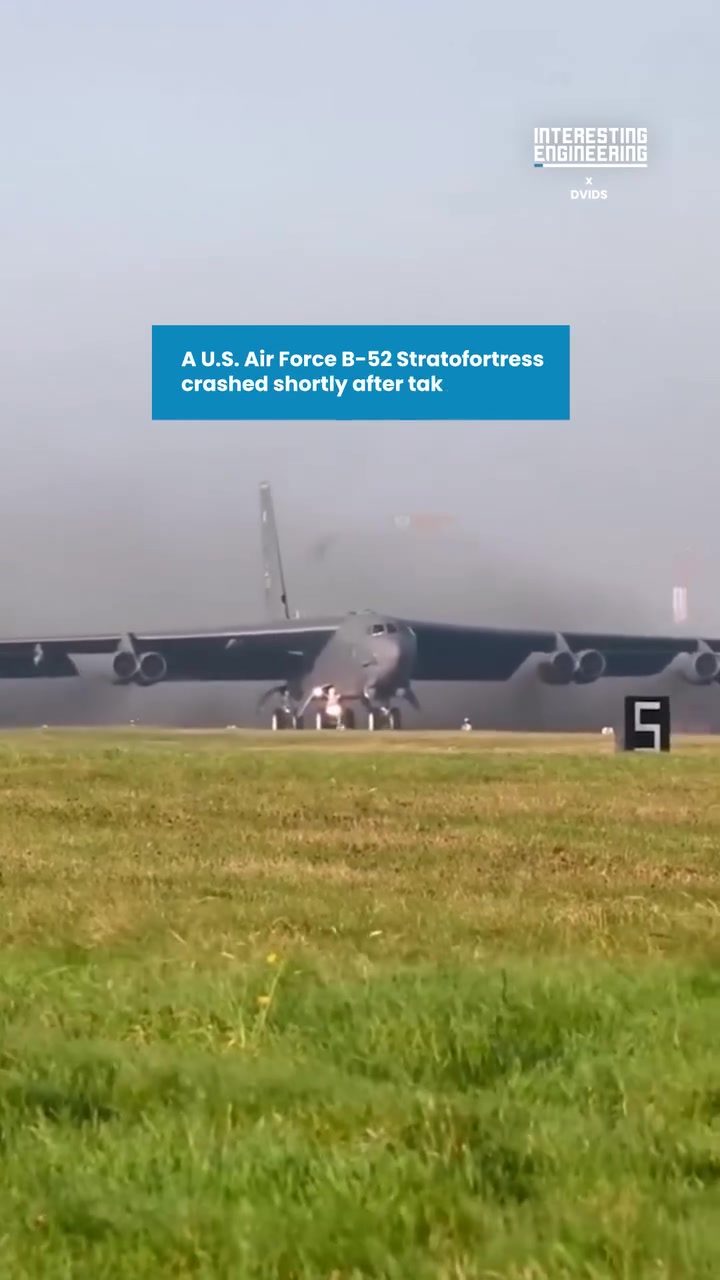
B-52 Bomber Crash: A Devastating Loss
The crash of a B-52 Stratofortress shortly after takeoff during a routine test mission at Edwards Air Force Base in California has resulted in a tragic loss. The incident, which occurred on Monday in the Mojave Desert, involved a catastrophic failure where the bomber burst into flames, killing all eight people on board. Among the casualties were military personnel, government contractors, and two Boeing employees.
Context: Why This Matters
This event underscores the inherent risks associated with military aviation and the critical importance of understanding and mitigating those risks. The B-52 Stratofortress, a long-range, subsonic, jet-powered strategic bomber, has been a cornerstone of the U.S. Air Force's arsenal for decades. Its role in both conventional and nuclear warfare makes any incident involving this aircraft a matter of significant concern.
The Incident Overview
Details of the Crash
The B-52 Stratofortress crashed shortly after takeoff, during what was described as a routine test mission. This type of mission typically involves evaluating the aircraft's performance and systems under various conditions. The crash occurred at Edwards Air Force Base, a site well-known for its extensive testing facilities and rigorous safety protocols.
Immediate Aftermath
The aftermath of the crash was devastating. The bomber burst into flames moments after leaving the runway, and the resulting fire consumed the aircraft. Emergency vehicles quickly responded to the scene, but the intensity of the fire made rescue efforts impossible. The wreckage and the extensive damage provide a grim reminder of the potential dangers in military aviation.
Casualties and Impact
All eight people on board the aircraft were killed in the crash. This included a mix of military personnel, government contractors, and civilian employees from Boeing, the aircraft's manufacturer. The loss of life extends beyond the immediate crew, affecting families and colleagues across the military and aerospace communities.
Understanding B-52 Operations
Routine Test Missions
The B-52 Stratofortress is a workhorse of the U.S. Air Force, known for its versatility and longevity. Test missions are crucial for ensuring the aircraft remains in optimal condition. These missions often involve pushing the aircraft to its limits to identify potential issues before they become critical.
Safety Protocols and Regulations
Edwards Air Force Base is renowned for its rigorous safety protocols. The base's unique environment and specialized facilities allow for extensive testing under controlled conditions. Despite these measures, the crash highlights the ever-present risk in aviation, especially when dealing with high-performance military aircraft.
Causes and Investigations
Preliminary Findings
As of the latest updates, the cause of the crash remains under investigation. Preliminary findings point to a potential mechanical failure, but the exact nature of the incident will require extensive analysis. Investigators are examining various factors, including maintenance records, flight data, and witness statements.
The Investigation Process
The investigation process for such an incident is thorough and multifaceted. It involves multiple agencies, including the U.S. Air Force, the National Transportation Safety Board (NTSB), and Boeing, the aircraft's manufacturer. Each of these entities brings unique expertise to the table, ensuring a comprehensive review of the crash.
Preventive Measures
While the investigation is ongoing, preventive measures are already being considered. These may include enhanced safety checks, updated maintenance protocols, and potentially redesigning certain components of the aircraft. The goal is to ensure that similar incidents can be prevented in the future.
Practical Tips for Aviation Safety
Regular Maintenance
Regular and thorough maintenance is critical for aviation safety. This includes routine inspections, timely repairs, and adherence to strict maintenance schedules. Ensuring all components are in optimal condition reduces the risk of mechanical failures.
Pilot Training
Pilot training programs must be rigorous and continuously updated. Pilots need to be well-versed in emergency procedures and equipped to handle unforeseen situations. Regular training simulations can help prepare pilots for a variety of scenarios.
Technological Advancements
Utilizing advanced technologies can significantly enhance aviation safety. This includes the use of sophisticated sensors, real-time data monitoring, and predictive maintenance systems. These technologies can identify potential issues before they escalate, providing timely interventions.
Important Takeaways
- Aviation, particularly military aviation, involves inherent risks that must be constantly monitored and mitigated.
- The crash of the B-52 Stratofortress at Edwards Air Force Base highlights the need for continuous improvement in safety protocols and maintenance procedures.
- The loss of life in such incidents underscores the importance of rigorous training, advanced technologies, and thorough investigations.
- Preventive measures, including enhanced safety checks and regular maintenance, are crucial for preventing future incidents.
Conclusion
The crash of the B-52 Stratofortress at Edwards Air Force Base serves as a sobering reminder of the risks inherent in military aviation. As investigations continue, it is essential to focus on improving safety protocols, enhancing maintenance procedures, and leveraging advanced technologies. The loss of life in this incident underscores the need for ongoing vigilance and commitment to safety in all aspects of aviation.
Watch the Reel
Questions readers ask
What types of roles do B-52 bombers play in military operations?
B-52 bombers are versatile and play a critical role in both conventional and nuclear warfare. They are capable of carrying a wide range of munitions and are known for their long-range, subsonic, jet-powered strategic bombing capabilities.
What is the significance of the B-52 Stratofortress in the U.S. Air Force?
The B-52 Stratofortress is a cornerstone of the U.S. Air Force's arsenal, having been in service for decades. It is renowned for its durability, versatility, and ability to carry out a variety of missions, including strategic bombing and reconnaissance.
What safety protocols are in place to prevent military aviation accidents?
Military aviation safety protocols include regular maintenance checks, rigorous pilot training, and adherence to strict operational procedures. Additionally, advanced safety technologies and thorough pre-flight inspections are employed to mitigate risks and prevent accidents.
What factors contribute to the risks associated with military aviation?
The risks in military aviation are multifaceted, involving factors such as the complexity of the aircraft, the nature of the missions, and the environments in which they operate. Regular takeoffs, landings, and high-altitude flights, exacerbate these risks.
What actions should be taken after a military plane crash to prevent future incidents?
Following a military plane crash, a thorough investigation is conducted to determine the cause. This may include examining the wreckage, reviewing flight data, and interviewing witnesses. Recommendations from these investigations often lead to changes in procedures and technologies to enhance safety.
Recent articles
Fresh deep dives from the latest Reels we unpacked.




Comments
Be the first to comment.