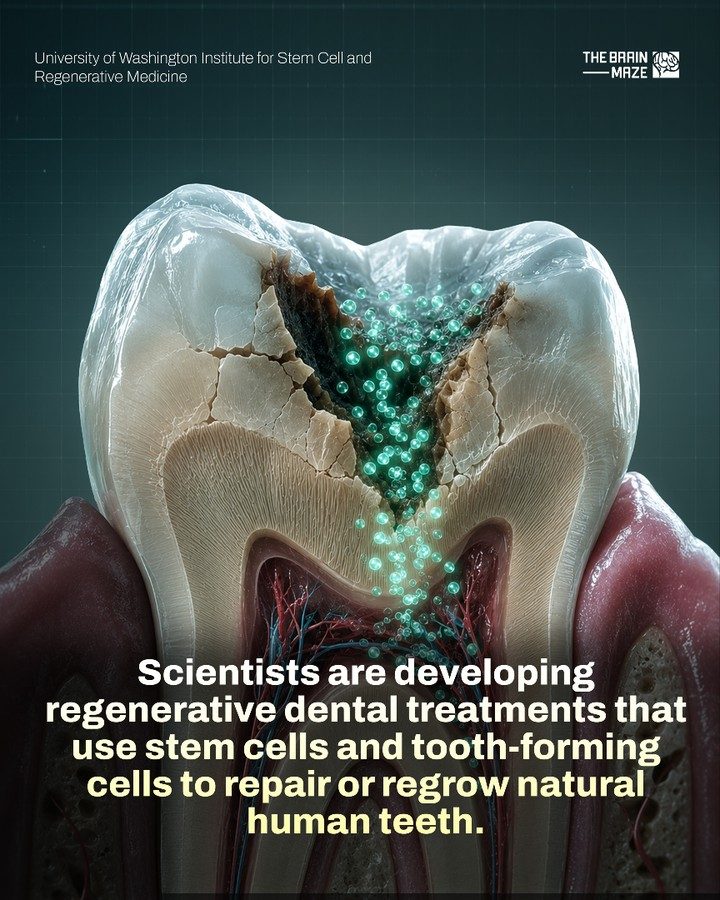
Dental Regeneration
Advancements in regenerative medicine are paving the way for innovative dental treatments. Researchers at the University of Washington Institute for Stem Cell and Regenerative Medicine are at the forefront of this cutting-edge field, focusing on techniques that utilize stem cells and tooth-forming cells to repair damaged teeth, restore enamel and dentine, and even grow living replacement teeth. This approach holds the promise of reducing the need for traditional dental procedures like fillings, crowns, and implants.
Why This Matters
Oral health is a critical component of overall well-being, and dental issues can significantly impact daily life. Traditional dental treatments, while effective, often involve invasive procedures and artificial materials. Regenerative dental treatments offer a more natural and potentially long-lasting solution. By harnessing the power of stem cells and tooth-forming cells, scientists aim to address dental problems at their root, promoting natural healing and regeneration.
Regenerative Dental Treatments
Stem Cells and Tooth-Forming Cells
At the heart of these regenerative dental treatments are stem cells and tooth-forming cells. Stem cells are undifferentiated cells that have the ability to develop into various cell types, making them ideal for regenerative purposes. Tooth-forming cells, on the other hand, are specifically programmed to form the structures of teeth, including enamel and dentine.
Researchers are exploring how to combine these cells to repair and regrow natural human teeth. The process involves introducing these cells into damaged areas of the tooth, where they can promote healing and regeneration. This approach differs from traditional dental treatments, which often rely on artificial materials to fill or replace damaged tooth structures.
Repairing Damaged Teeth
One of the primary goals of regenerative dental treatments is to repair damaged teeth. Enamel, the outer layer of the tooth, is particularly vulnerable to decay and damage. Current treatments for enamel damage often involve fillings or crowns, which, while effective, are not natural solutions. Regenerative treatments aim to restore enamel naturally, potentially providing a more durable and aesthetically pleasing outcome.
Similarly, dentine, the layer beneath the enamel, can suffer from decay and damage. Regenerative treatments could help repair this layer, strengthening the tooth and reducing the risk of further damage.
Growing Living Replacement Teeth
Beyond repairing damaged teeth, researchers are also exploring the possibility of growing living replacement teeth. This would involve using stem cells and tooth-forming cells to create entirely new teeth, which could then be implanted into the mouth. This approach holds the potential to revolutionize dentistry, providing a natural and long-lasting solution for tooth loss.
Practical Tips for Maintaining Oral Health
While regenerative dental treatments hold great promise, maintaining good oral hygiene is still crucial. Here are some practical tips for keeping your teeth and gums healthy:
Regular Dental Check-ups
Regular visits to the dentist can help detect and address dental issues early. During a check-up, your dentist can examine your teeth and gums, take X-rays, and perform a professional cleaning. This helps prevent minor issues from becoming major problems, and it allows your dentist to monitor your oral health over time.
Proper Oral Hygiene
Brushing and flossing are the cornerstones of good oral hygiene. Brush your teeth at least twice a day, using a soft-bristled toothbrush and fluoride toothpaste. Floss daily to remove plaque and food particles from between your teeth and along the gum line. Regular use of mouthwash can also help kill bacteria and freshen your breath.
Healthy Diet
A balanced diet rich in vitamins and minerals is essential for good oral health. Foods high in calcium, such as dairy products, leafy greens, and fortified plant-based milks, help strengthen teeth and bones. Foods high in fiber, such as fruits and vegetables, stimulate saliva production, which helps wash away food particles and neutralize acids.
Avoiding Harmful Habits
Certain habits can have a detrimental impact on oral health. Smoking, for example, increases the risk of gum disease and tooth loss. Excessive consumption of sugary foods and drinks can lead to tooth decay. Limiting these habits can help maintain good oral health and reduce the risk of dental problems.
Important Takeaways
The future of dentistry looks bright, thanks to advancements in regenerative medicine. Techniques that use stem cells and tooth-forming cells to repair and regrow natural human teeth offer a promising alternative to traditional dental treatments. While these methods are still experimental, they hold the potential to significantly improve oral health and reduce the need for invasive procedures.
In the meantime, maintaining good oral hygiene and regular dental check-ups can help prevent dental problems and keep your teeth and gums healthy. By taking proactive steps to care for your oral health, you can enjoy a healthier, happier smile for years to come.
Conclusion
Regenerative dental treatments represent a significant leap forward in the field of dentistry. By harnessing the power of stem cells and tooth-forming cells, researchers are paving the way for more natural and effective solutions to dental problems. While these treatments are still in the experimental stages, the potential benefits are immense. As the science continues to evolve, we can look forward to a future where dental health is not only maintained but naturally restored.
Watch the Reel
Questions readers ask
What are stem cells and how are they used in dental repair?
Stem cells are undifferentiated cells that can develop into various cell types. In dental repair, stem cells, particularly those from the dental pulp or other sources, are utilized to regrow and repair tooth structures. These cells can differentiate into tooth-forming cells, aiding in the regeneration of dentine, enamel, and other components of the tooth.
How does stem cell therapy differ from traditional dental procedures?
Traditional dental procedures often involve invasive methods and artificial materials, such as fillings, crowns, and implants. In contrast, stem cell therapy focuses on natural tooth repair, utilizing the body's own regenerative abilities to heal and regrow dental tissues, which can potentially lead to more durable and biologically compatible results.
What is the role of tooth-forming cells in regenerative dental treatments?
Tooth-forming cells, also known as odontoblasts, play a crucial role in the regeneration of dentine, the hard tissue beneath the enamel. These cells can be stimulated to produce new dentine, which helps in repairing cavities and strengthening the tooth structure. This process is central to regenerative dental treatments that aim to restore the natural integrity of the tooth.
What are some of the benefits of regenerative dental procedures?
Regenerative dental procedures offer several benefits, including the potential to reduce the need for traditional, invasive treatments. These procedures can lead to more natural and long-lasting repairs, as they utilize the body's own cells to regrow and heal dental tissues. This approach can also improve the overall health of the tooth and surrounding tissues.
What kind of research is being conducted at the University of Washington for dental regeneration?
Researchers at the University of Washington Institute for Stem Cell and Regenerative Medicine are exploring techniques that use stem cells and tooth-forming cells to repair and regenerate teeth. Their work includes developing methods to restore enamel and dentine, as well as growing living replacement teeth, aiming to provide more natural and effective solutions for dental issues.
Can stem cell therapy regrow entire teeth?
While current research is making significant strides, regrowing entire teeth using stem cell therapy is still in the experimental stages. Researchers are working on techniques to use stem cells to grow living replacement teeth, but this process is complex and requires further development before it can be widely applied in clinical settings.
What are the potential impacts of regenerative dental procedures on oral health?
Regenerative dental procedures hold the promise of significantly improving oral health by providing more natural and durable solutions to dental issues. These procedures can help reduce the need for repeated treatments and artificial materials, leading to healthier teeth and gums, and enhancing overall well-being.
Related deep dives
Similar reads based on topic and creator.


Recent articles
Fresh deep dives from the latest Reels we unpacked.




Comments
Be the first to comment.