Dental Implants
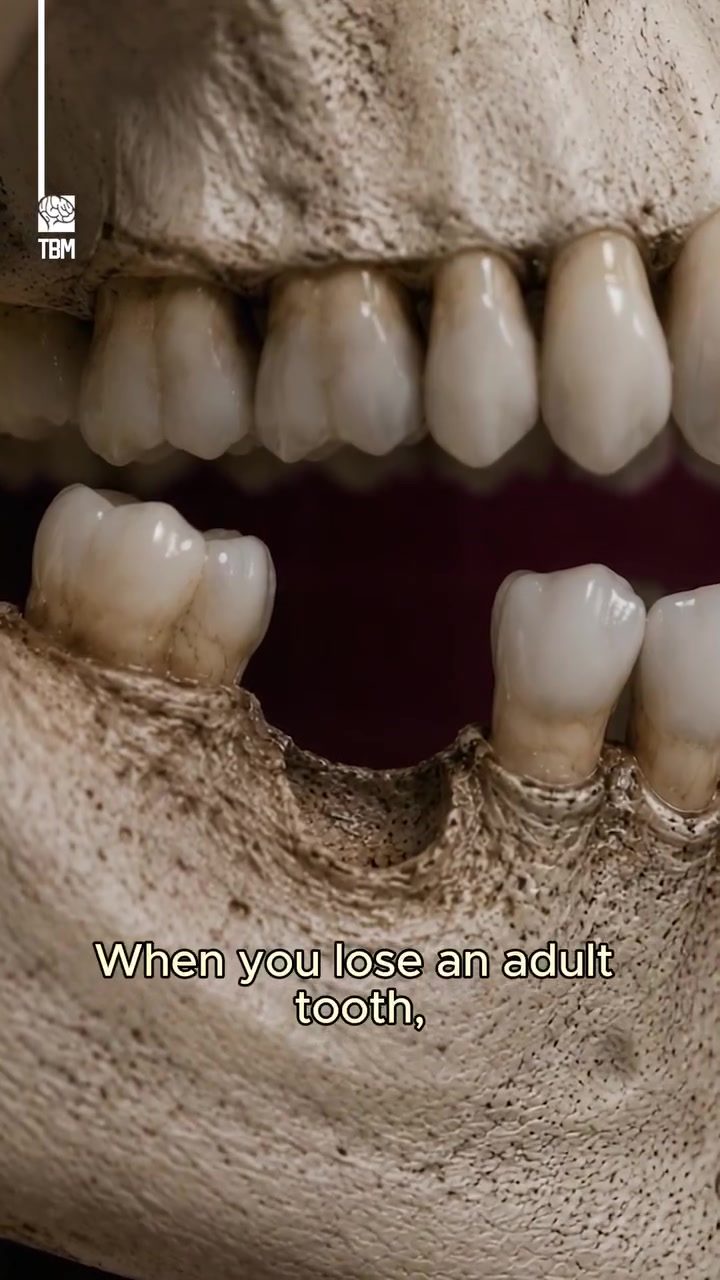
Losing an adult tooth can have significant consequences for your jaw and overall oral health. The process of bone resorption, which occurs when the jawbone deteriorates due to lack of stimulation, can lead to a shrinking jaw, changes in facial structure, and difficulties with future tooth replacement. Dental implants offer a solution to these issues by restoring both function and aesthetics.
Why This Matters
Understanding the implications of losing a tooth and the benefits of dental implants is crucial for maintaining good oral health. Dental implants not only replace missing teeth but also help prevent further bone loss and maintain facial structure. They provide a stable foundation for a crown, bridge, or denture, ensuring optimal functionality and a natural appearance.
Main Discussion
The Impact of Losing a Tooth
Losing an adult tooth sets off a chain of events that can significantly impact your jawbone. Normally, the root of a tooth stimulates the bone every time you bite or chew. This stimulation is essential for maintaining bone health. Without it, the body starts to break down the unused bone in a process known as bone resorption. Over time, this can lead to a shrinking jaw, altered facial structure, and increased difficulty in replacing the missing tooth.
The Solution: Dental Implants
Dental implants are a popular and effective solution for replacing missing teeth. The process involves several steps, each crucial for ensuring a successful outcome.
Bone Grafting
The first step often involves a bone graft. This procedure uses synthetic or donated material to help new bone grow in the area where the tooth is missing. The graft provides a stable foundation for the implant post and helps prevent further bone loss. Once the graft heals, it creates a strong base for the next steps.
Implant Placement
After the bone graft heals, a titanium implant post is inserted into the jawbone. This post is designed to fuse with the bone over time, creating a strong and stable foundation. The fusion process, known as osseointegration, ensures that the implant post is securely anchored in the jawbone, mimicking the natural root of a tooth.
Connecting the Crown
Once the implant post has fused with the bone, a small connector is attached to the post. This connector acts as an anchor for the custom porcelain crown. The crown is designed to match the color, shape, and size of your natural teeth, ensuring a seamless and natural appearance. The crown is then secured on top of the connector, completing the restoration.
Function and Appearance
A well-placed dental implant looks, feels, and functions much like a natural tooth. The implant post provides the stability and support needed for biting and chewing, while the porcelain crown ensures a natural and attractive appearance. This combination of function and aesthetics makes dental implants a popular choice for tooth replacement.
Dental implants from TBM are a leading option for those looking to restore their smile and oral health. These implants are designed to be durable, long-lasting, and aesthetically pleasing, providing a natural and functional replacement for missing teeth.
Practical Tips
If you are considering dental implants, here are some practical tips to help you through the process:
Choose a Qualified Dentist
Selecting a qualified and experienced dentist is crucial for a successful dental implant procedure. Look for a dentist who specializes in implant dentistry and has a proven track record of successful procedures.
Maintain Good Oral Hygiene
Proper oral hygiene is essential for the longevity of your dental implant. Brush and floss regularly, and schedule routine dental check-ups to ensure the health of your implant and surrounding teeth.
Follow Post-Operative Care Instructions
After the implant procedure, follow your dentist's post-operative care instructions carefully. This may include taking prescribed medications, avoiding certain foods, and attending follow-up appointments to monitor the healing process.
Consider Bone Grafting
If you have significant bone loss, consider a bone graft before the implant procedure. This will help ensure a stable foundation for the implant and reduce the risk of complications.
Important Takeaways
Dental implants offer a comprehensive solution for replacing missing teeth and maintaining oral health. They provide a stable foundation for a natural-looking crown, ensuring optimal functionality and aesthetics. By understanding the process and following practical tips, you can achieve a successful and long-lasting dental implant restoration.
Conclusion
Losing an adult tooth can have serious consequences for your jaw and overall oral health. Dental implants, such as those offered by TBM, provide a durable and natural-looking solution for replacing missing teeth. By preventing bone loss, maintaining facial structure, and ensuring optimal functionality, dental implants are an excellent choice for restoring your smile and maintaining good oral health.
Watch the Reel
Questions readers ask
How do dental implants prevent bone loss after tooth loss?
Dental implants mimic the function of natural tooth roots, stimulating the jawbone and preventing bone resorption. This process helps maintain the jawbone's density and volume, which is crucial for preserving facial structure and supporting adjacent teeth.
What can I expect from the dental implant process?
The dental implant process typically involves several steps. First, the implant is surgically placed into the jawbone. After a healing period, during which the implant fuses with the bone, an abutment is attached to the implant. Finally, a custom-made crown, bridge, or denture is secured to the abutment, replacing the missing teeth and restoring functionality.
Can dental implants help with jawbone shrinkage?
Yes, dental implants can help prevent and even reverse jawbone shrinkage. By integrating with the jawbone, implants provide the necessary stimulation to maintain bone density. In cases where significant bone loss has occurred, bone grafting procedures may be performed to augment the jawbone before implant placement.
What are the benefits of dental implants for adults?
Dental implants offer numerous benefits for adults, including improved chewing ability, enhanced speech, and a restored smile. Additionally, they help preserve jawbone health, prevent further tooth loss, and maintain facial aesthetics by supporting the natural contours of the face.
How do dental implants support jaw health restoration?
Dental implants support jaw health restoration by providing a stable foundation for replacement teeth and stimulating the jawbone. This stimulation helps to maintain bone density and volume, preventing the bone loss and facial changes that often occur after tooth loss. Implants also help distribute biting forces evenly, reducing stress on the jawbone and surrounding teeth.
What is post tooth loss care?
Post tooth loss care involves maintaining good oral hygiene, including regular brushing, flossing, and dental check-ups. Additionally, it may include procedures like bone grafting or dental implants, which can help restore jawbone health, prevent further bone loss, and replace missing teeth. If you are considering dental implants, it is essential to consult with a dentist to determine if you are a suitable candidate and to discuss the best approach for your specific needs.
Related deep dives
Similar reads based on topic and creator.

Recent articles
Fresh deep dives from the latest Reels we unpacked.




Comments
Be the first to comment.