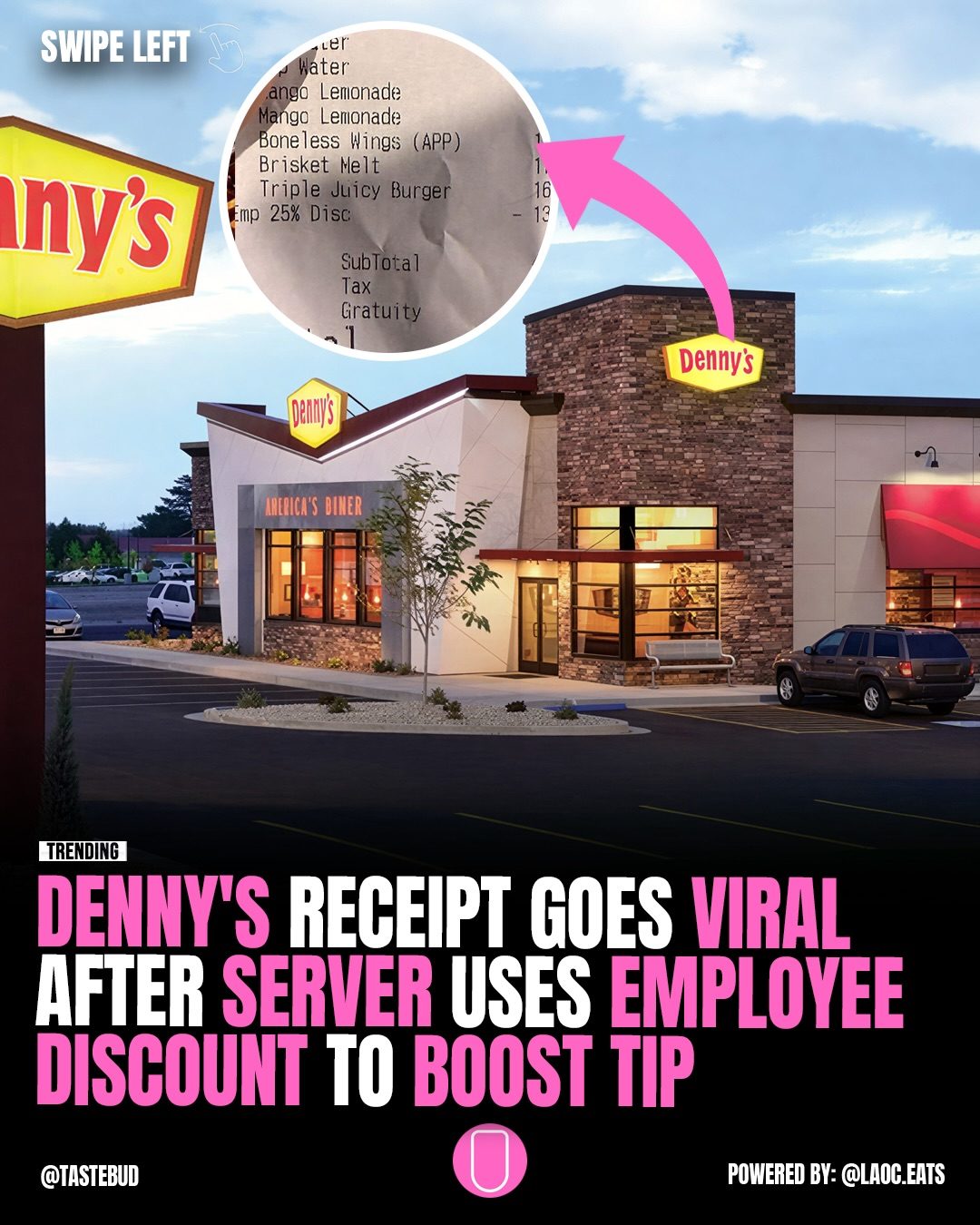
Denny's Receipt Controversy: The Viral Tip Calculation Debate
A Denny's receipt recently sparked controversy when it surfaced online due to a server's unusual use of an employee discount. The receipt, showing a $55.35 food total that was reduced by 25% before calculating the tip on the higher amount, generated significant debate. While some praised the server for resourcefulness, others criticized the practice as inappropriate.
This situation, which Denny's later confirmed it would review, raises critical questions about employee discounts, tip calculations, and the ethics of altering receipts. Let's break down the key aspects of this viral incident and explore the implications for restaurants and customers.
Context: Why This Matters
Understanding the mechanics of how this receipt situation unfolded is essential for appreciating the broader implications. The moral and ethical considerations are crucial, especially for those in the dining industry or frequenting restaurants where tips are customary.
The Viral Denny's Receipt
The Basics of the Receipt
The receipt in question showed a food total of $55.35, which was then reduced by a 25% employee discount. The subtotal was adjusted, and the tip was calculated on the original $55.35 amount. This maneuver effectively increased the tip from what it would have been on the reduced total. The overall bill, agreed to be $70, included a $25.21 tip, significantly higher than expected. This discrepancy is what triggered the debate.
The Food Items and Employee Discount
The specific items on the receipt included Mango Lemonade, Tap Water, Bonesless Wings (as an appetizer), a Brisket Melt, and a Triple Juicy Burger. The 25% employee discount was applied to these items, yielding the new subtotal of $41.51. The server's action effectively increased their tip from $18.49 (calculated from the reduced subtotal) to $25.21. This is a typical Denny's receipt, but the creative application of the discount is what made it go viral.
The Debate: Clever or Inappropriate?
The Clever Argument
Proponents of the server's action argue that it was an ingenious way to maximize earnings. The server provided a genuine service, and the customer agreed to a total bill amount. By applying the discount in this manner, the server boosted their tip without directly altering the terms of the agreement.
The Ethical Concerns
Critics, however, view this as dishonest. The customer agreed to a $70 payment, but the subtotal was manipulated to increase the tip. This is seen as deceptive because it shifts money from the restaurant to the server without the customer's full awareness.
How Customer Agreements Work
Pre-Agreement Amounts
When paying a total agreed amount, the customer expects the bill breakdown to be transparent. The subtotal should ideally reflect the exact cost of the food and services before any additional charges, such as taxes and gratuities.
The Ethical Dilemma
By manipulating the subtotal, the server introduced an ethical dilemma. While the customer agreed to $70, the server altered the food total to their advantage. This could be seen as a breach of trust, given that the customer might not have agreed to such a breakdown if they understood the manipulation.
Practical Tips for Restaurant Employees and Customers
For Employees
- Transparency is Key: Always be transparent with your calculations. If you're using an employee discount, make it clear to the customer or manager.
- Understand the Policy: Know your restaurant's policy on employee discounts and tips. Some establishments may have strict guidelines on how discounts can be applied.
- Avoid Manipulation: If the policy allows for some flexibility, ensure that any adjustments are ethical and do not deceive the customer.
For Customers
- Review the Breakdown: Always check the bill breakdown, especially the subtotal and gratuity sections. If you see any discrepancies, ask the server to clarify.
- Understand the Tip Calculation: Ensure you know how the tip is calculated. Some establishments may have a minimum gratuity on bills above a certain amount.
- Communicate Your Preferences: If you prefer not to have any discounts or changes applied without your knowledge, communicate this to the server.
Important Takeaways
The Denny's receipt controversy underscores the importance of transparency in billing and the ethical considerations of altering receipts. It's a reminder for both employees and customers to be diligent in their dealings. For employees, it’s crucial to adhere to restaurant policies and maintain transparency. For customers, understanding how bills are calculated can prevent misunderstandings and ensure fair transactions.
Conclusion
The Denny's receipt incident serves as a stark reminder about the complexities of tipping and employee discounts in the dining industry. While some view the server's actions as clever, the ethical implications cannot be ignored. For those in the industry, this case emphasizes the need for transparency and ethical practices. For customers, it highlights the importance of being vigilant about bill calculations and understanding the terms of their payment.
Watch the Reel
Questions readers ask
What was the controversy surrounding the Denny's receipt?
The controversy involved a Denny's server who used an employee discount to reduce the food total on a receipt before calculating the tip. This method artificially inflated the tip amount, sparking debate about the ethics of altering receipts and the appropriate use of discounts.
How did the server boost their tips using an employee discount?
The server applied a 25% employee discount to the food total, reducing it from $55.35 to $41.51. However, they then calculated the tip based on the original, higher amount, effectively increasing their tip earnings.
What are the ethical implications of altering receipts for tips?
Altering receipts to boost tips raises significant ethical concerns. It can be seen as dishonest and misleading, potentially harming the restaurant's reputation and customer trust. It also sets a questionable precedent for other servers.
How should tips typically be calculated in restaurants?
In most cases, tips should be calculated as a percentage of the final bill amount after all discounts, promotions, or coupons have been applied. This ensures transparency and fairness for both customers and servers.
What was Denny's response to the controversy?
Denny's acknowledged the situation and stated that they would review the incident. However, they did not provide a specific stance on the practice, leaving the industry to continue debating the appropriateness of the server's actions.
Can customers verify the correct tip calculation on their receipt?
Customers can verify the tip calculation by ensuring that the tip percentage is applied to the final bill total, which includes any discounts or promotions. If the tip seems disproportionately high, it may be worth checking the calculation.
What should customers do if they suspect improper tip calculation?
If customers suspect an improper tip calculation, they should bring it to the attention of the restaurant management. It's important to address such concerns politely and directly to ensure a fair and honest dining experience.
Related deep dives
Similar reads based on topic and creator.


Recent articles
Fresh deep dives from the latest Reels we unpacked.




Comments
Be the first to comment.