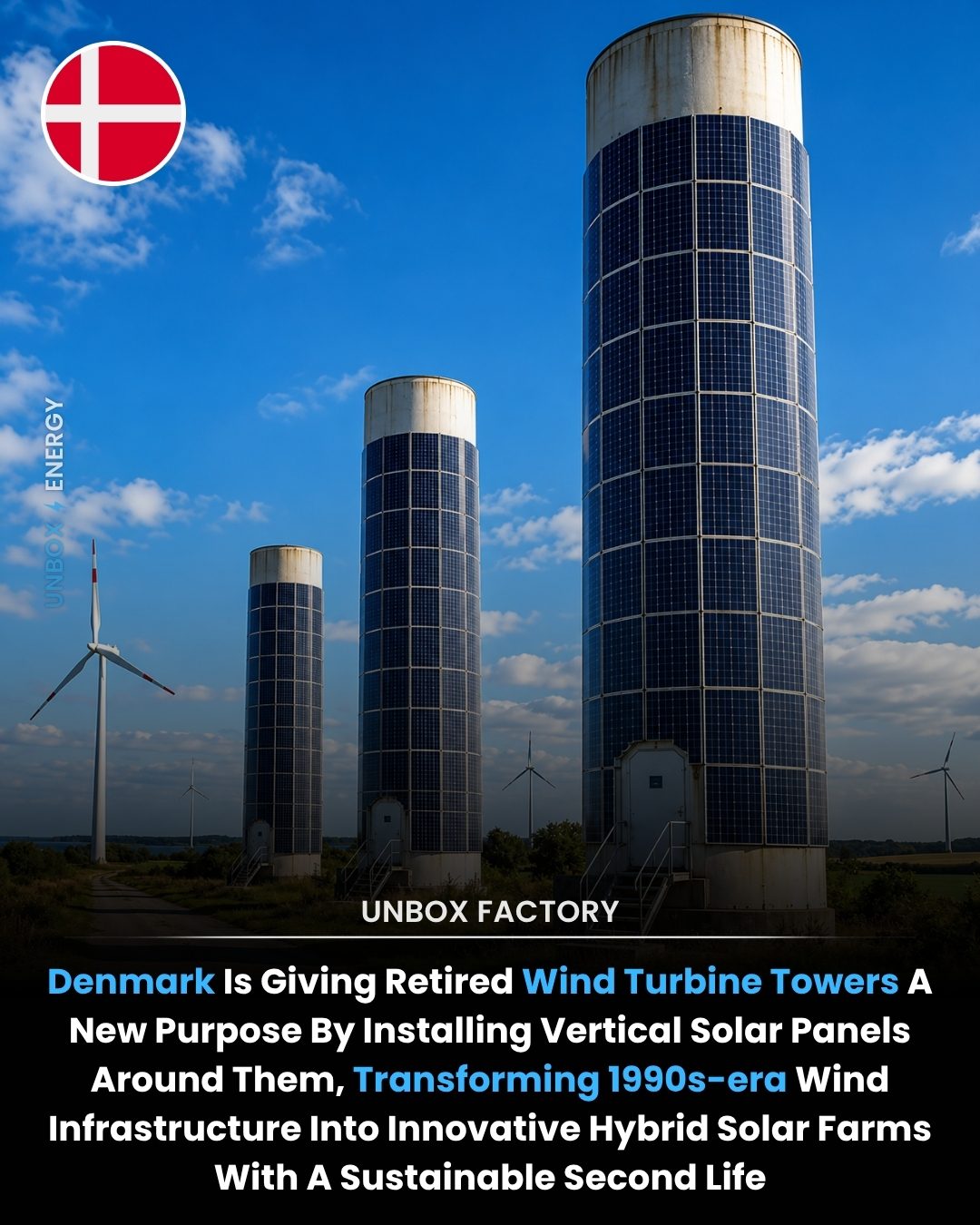
Denmark's Innovative Hybrid Solar Farms: Repurposing Wind Turbine Towers
Denmark is leading the way in sustainable energy innovation by repurposing retired wind turbine towers into hybrid solar farms. This groundbreaking project involves surrounding 1990s-era wind turbine infrastructure with vertical bifacial solar panels, creating a unique and efficient renewable energy solution.
Context / Why this matters
Renewable energy is crucial for achieving climate neutrality, and Denmark aims to become a leader in this field by 2045. With over 60% of its electricity already generated from wind and solar, the country is committed to maximizing its renewable energy infrastructure. The hybrid solar farms not only extend the life of existing infrastructure but also optimize energy production throughout the day.
Main discussion
The Transformation of Retired Wind Turbines
Retired wind turbines across Denmark are getting a new lease on life. These aging towers are being transformed into hybrid renewable energy farms by installing vertical bifacial solar panels around them. This innovative approach allows for the continued use of existing substations, transmission lines, and road access, eliminating the need for additional land.
Vertical Bifacial Solar Panels
Vertical bifacial solar panels are a key component of this project. These panels are designed to capture sunlight from both sides, making them highly efficient. They perform exceptionally well during sunrise, sunset, and even in snowy conditions. This complements wind generation by producing power when wind speeds are typically lower, ensuring a steady supply of electricity.
Hybrid Renewable Energy Farms
The combination of wind and solar energy in these hybrid farms creates a more reliable and consistent power grid. Wind turbines generate electricity from wind energy, while the vertical solar panels provide additional power during periods of lower wind activity. This dual-energy approach maximizes the use of renewable resources, making the hybrid farms a sustainable and efficient solution.
Sustainable Second Life for Infrastructure
Denmark's project not only addresses the issue of retired wind turbine towers but also promotes a sustainable second life for renewable energy infrastructure. By repurposing old wind turbines, the country reduces waste and extends the value of existing resources. This approach is a testament to Denmark's commitment to sustainability and innovation in the renewable energy sector.
Practical tips
Considerations for Installing Vertical Solar Panels
When repurposing wind turbine towers for hybrid solar farms, it's important to consider several factors:
- Location and Orientation: Ensure that the vertical solar panels are installed in a location where they can capture maximum sunlight. The orientation should be optimized to capture both morning and evening sunlight.
- Bifacial Efficiency: Choose bifacial solar panels that can capture sunlight from both sides, maximizing energy production.
- Integration with Existing Infrastructure: Utilize the existing substations, transmission lines, and road access to minimize additional construction and land use.
Maximizing Energy Production
To make the most of hybrid renewable energy farms, consider the following:
- Optimal Panel Placement: Install the solar panels in a way that they do not obstruct the wind turbines and vice versa. This ensures that both renewable energy sources can operate at full efficiency.
- Seasonal Adjustments: Adjust the angle of the solar panels seasonally to capture the most sunlight. This can significantly improve energy production throughout the year.
- Environmental Conditions: Take advantage of the unique environmental conditions where snow and cold might hinder typical solar panel performance with bifacial panels designed for these conditions.
Ensuring Reliable Energy Supply
To ensure a consistent and reliable energy supply from hybrid farms:
- Complementary Energy Sources: Balance wind and solar energy production to ensure that the grid remains stable even during periods of low wind or reduced sunlight.
- Energy Storage Solutions: Integrate energy storage solutions to store excess energy for times of low production. This can help maintain a steady supply of electricity.
Important takeaways
- Denmark's hybrid solar farms demonstrate an innovative approach to repurposing retired wind turbine towers.
- Vertical bifacial solar panels enhance energy production, especially during low-wind conditions.
- This project exemplifies Denmark's commitment to sustainability and climate neutrality by 2045.
- The hybrid farms not only generate electricity efficiently but also extend the life of renewable energy infrastructure without additional land use.
Conclusion
Denmark's innovative approach to repurposing retired wind turbine towers into hybrid solar farms sets a new standard for sustainable energy solutions. By leveraging existing infrastructure and optimizing energy production, the country is paving the way for a greener future. This project serves as a model for other nations aiming to achieve climate neutrality and maximize renewable energy resources.
Watch the Reel
Questions readers ask
What are hybrid solar farms and why is Denmark using them?
Hybrid solar farms combine wind and solar energy production. Denmark is using them to repurpose retired wind turbine towers, extending their use and boosting renewable energy output.
How do vertical bifacial solar panels contribute to these hybrid farms?
Vertical bifacial solar panels capture sunlight from both sides, maximizing energy production. Around old wind turbine towers, they efficiently utilize available space.
What is the significance of the 1990s-era wind turbines in this project?
The 1990s-era turbines are being repurposed to add value to existing infrastructure, rather than decommissioning and replacing them. This approach supports sustainability goals by reducing waste and emissions from new construction.
How does this project align with Denmark's renewable energy goals?
Denmark aims to achieve climate neutrality by 2045. By transforming old wind turbines into hybrid solar farms, the country can produce more renewable energy and reduce its reliance on fossil fuels, accelerating this goal.
What are the benefits of this approach to renewable energy production?
This approach offers dual benefits: it optimizes energy production by combining wind and solar, and it revamps old infrastructure to create additional clean energy.
What makes this project unique in the field of renewable energy production?
The hybrid solar farms in Denmark are unique because they repurpose existing wind turbine infrastructure, which reduces environmental impact and costs associated with new construction. This creates a distinctive model for sustainable energy production.
What role do these hybrid farms play in maximizing Denmark's renewable energy infrastructure?
With over 60% of its electricity coming from renewable sources, these hybrid farms maximize energy production and optimize the use of existing resources. They also help Denmark lead the way in innovative solutions for renewable energy.
Recent articles
Fresh deep dives from the latest Reels we unpacked.




Comments
Be the first to comment.