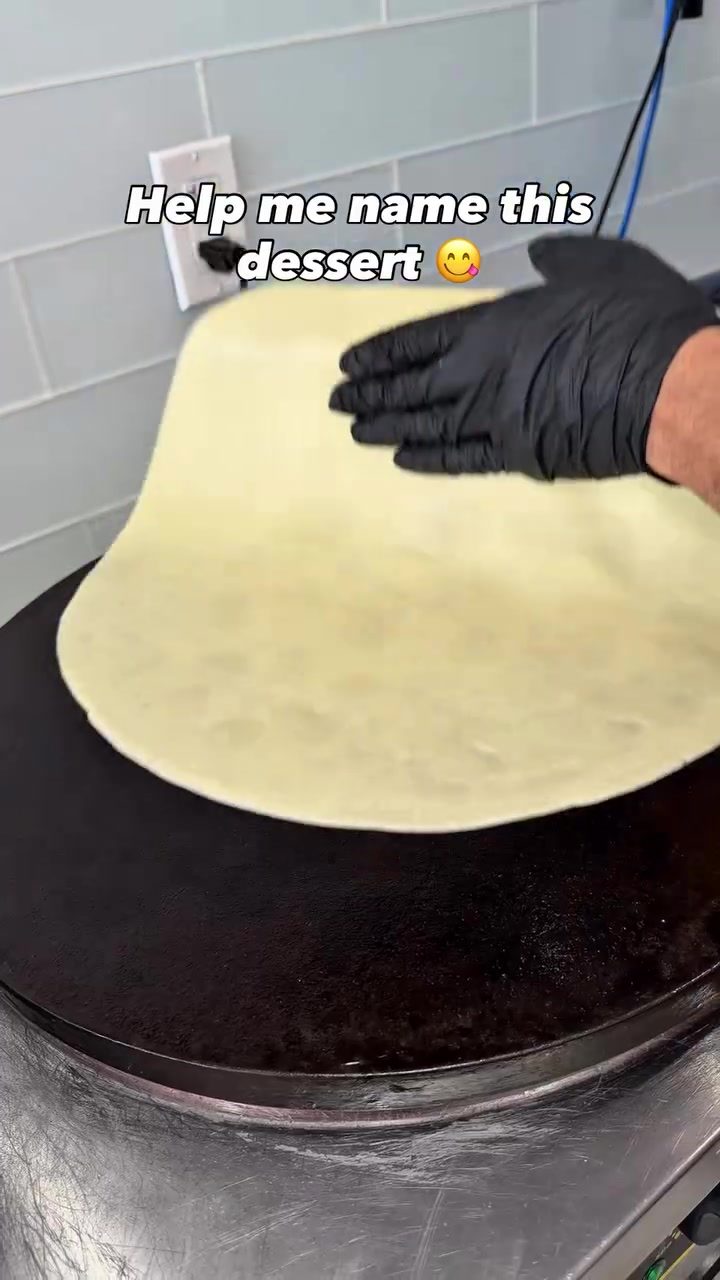
The Art of Dessert Creation
Creating a delightful dessert involves a blend of creativity, technique, and the right ingredients. The process of making a dessert can be as simple or as complex as you want it to be. Whether you are an experienced baker or a curious beginner, understanding the basics of dessert creation can help you craft something truly special.
Why This Matters
The joy of dessert creation lies in the satisfaction of making something delicious from scratch. The process of mixing ingredients, applying heat, and watching your creation come to life is an art form that can be both therapeutic and rewarding. Dessert creation is an opportunity to experiment with flavors, textures, and presentations, making it a unique culinary adventure.
The Process of Dessert Creation
Selecting the Right Base
The foundation of any dessert is its base. The base can vary widely depending on the type of dessert you are making. For example, a brownie base provides a rich, chocolatey foundation that pairs well with a variety of toppings. A square base, on the other hand, can be used for a more versatile dessert that can be cut into neat portions. The choice of base will influence the overall flavor and texture of your dessert.
Adding the Sauce
One of the key steps in creating a dessert is adding the sauce. The sauce can be chocolate, white chocolate, or any other flavor that complements your base. The sauce is typically poured over the base and then spread evenly using a spatula. This step is crucial as it adds depth and richness to the dessert. The type of sauce you choose can completely transform the flavor profile of your dessert.
Using a Hot Surface
Heat plays a significant role in dessert creation. Many desserts are made on a hot surface to ensure that the ingredients melt and mix properly. This heat can come from a stovetop, oven, or even a hot plate. The hot surface helps in evenly distributing the sauce and ensuring that the base is well-cooked. Proper heat management is essential to avoid overcooking or burning your dessert.
Enhancing with Toppings
Toppings can elevate a simple dessert to something extraordinary. Chopped nuts, pistachios, and other flavorful additions can add texture and crunch to your dessert. These toppings can be sprinkled on top of the sauce or incorporated into the base. They not only enhance the visual appeal but also add a layer of complexity to the flavor.
Allowing for Creativity
While following a recipe is a great starting point, allowing room for creativity can make your dessert truly unique. Experimenting with different combinations of bases, sauces, and toppings can lead to exciting and delicious results. Whether you're adding a personal touch or trying out a new flavor combination, the possibilities are endless.
Practical Tips
When creating a dessert, consider the following practical tips:
1. Choose High-Quality Ingredients
The quality of your ingredients will greatly impact the taste of your dessert. Use fresh, high-quality ingredients to ensure the best possible outcome.
2. Practice Proper Measurement
Accurate measurements are crucial, especially when baking. Follow the recipe closely and measure your ingredients precisely to ensure consistency in your dessert.
3. Pay Attention to Temperature
Controlling the temperature is key, especially when working with chocolate or other temperature-sensitive ingredients. Ensure your hot surface is at the right temperature to avoid burning or melting issues.
4. Experiment with Flavors
Don't be afraid to experiment with different flavor combinations. Tasting as you go can help you make adjustments and create a unique dessert that suits your taste.
5. Presentation Matters
The visual appeal of your dessert can be just as important as the taste. Take the time to present your dessert beautifully, using garnishes and toppings that complement its overall look and feel.
Important Takeaways
Creating a dessert is a rewarding experience that combines art and science. From selecting the right base to adding rich sauces and flavorful toppings, every step contributes to the final result. The process allows for creativity and experimentation, making it a fun and enjoyable activity for anyone.
Conclusion
Dessert creation is an art form that can be enjoyed by all. Whether you're making a simple treat or a complex masterpiece, the process of crafting a delicious dessert is both rewarding and fulfilling. By following these steps and tips, you can create a dessert that not only tastes great but also looks beautiful. So, go ahead and indulge in the joy of dessert creation!
Watch the Reel
Questions readers ask
What are some easy dessert ideas for beginners?
Some easy dessert ideas for beginners include simple recipes like chocolate chip cookies, basic fruit tarts, or no-bake cheesecakes. These recipes typically require minimal ingredients and basic techniques, making them perfect for those new to dessert making. Start with recipes that have clear, step-by-step instructions to build your confidence in the kitchen.
What are the essential techniques for creating dessert sauces?
Creating dessert sauces involves techniques such as reducing, emulsifying, and thickening. To make a simple sauce, you might reduce a mixture of fruit juice and sugar, or emulsify butter and sugar for a creamy sauce. Thickening agents like cornstarch can also be used. Understanding these techniques will help you craft sauces that complement your desserts perfectly.
How do you choose the right base for your homemade chocolate desserts?
Choosing the right base for homemade chocolate desserts depends on the desired texture and flavor. Common bases include brownie batter for fudgy textures, cake batter for lighter desserts, or a simple cookie dough for a chewy foundation. Consider the overall flavor profile you want to achieve and the texture you prefer.
What are some helpful tips for crafting delicious desserts at home?
Helpful tips for crafting delicious desserts at home include measuring your ingredients accurately, preheating your oven, and not overmixing your batter. Additionally, understanding the role of heat in your recipe and using fresh, high-quality ingredients can significantly enhance the flavor and texture of your desserts.
Can you provide some dessert recipes that are perfect for beginners?
Yes, there are plenty of dessert recipes perfect for beginners. Recipes like classic vanilla cake, apple crisp, or easy chocolate mousse are great starting points. These recipes often involve basic techniques and common ingredients, making them accessible for those new to dessert making. Look for recipes with clear instructions and minimal steps.
What role does heat play in the process of dessert creation?
Heat is crucial in the process of dessert creation as it activates leavening agents, sets custards, and caramelizes sugars. Different types of heat, such as convection or direct heat, can affect the final product. Understanding how and when to apply heat is essential for achieving the desired texture and flavor in your desserts.
How can I make homemade dessert recipes more interesting?
To make homemade dessert recipes more interesting, experiment with different flavor combinations, textures, and presentations. Try adding unique spices, using seasonal fruits, or incorporating unconventional ingredients. Additionally, playing with the visual appeal of your desserts by using different shapes, colors, and garnishes can make them more exciting.
Related deep dives
Similar reads based on topic and creator.



Recent articles
Fresh deep dives from the latest Reels we unpacked.




Comments
Be the first to comment.