Before you reach for a sandwich
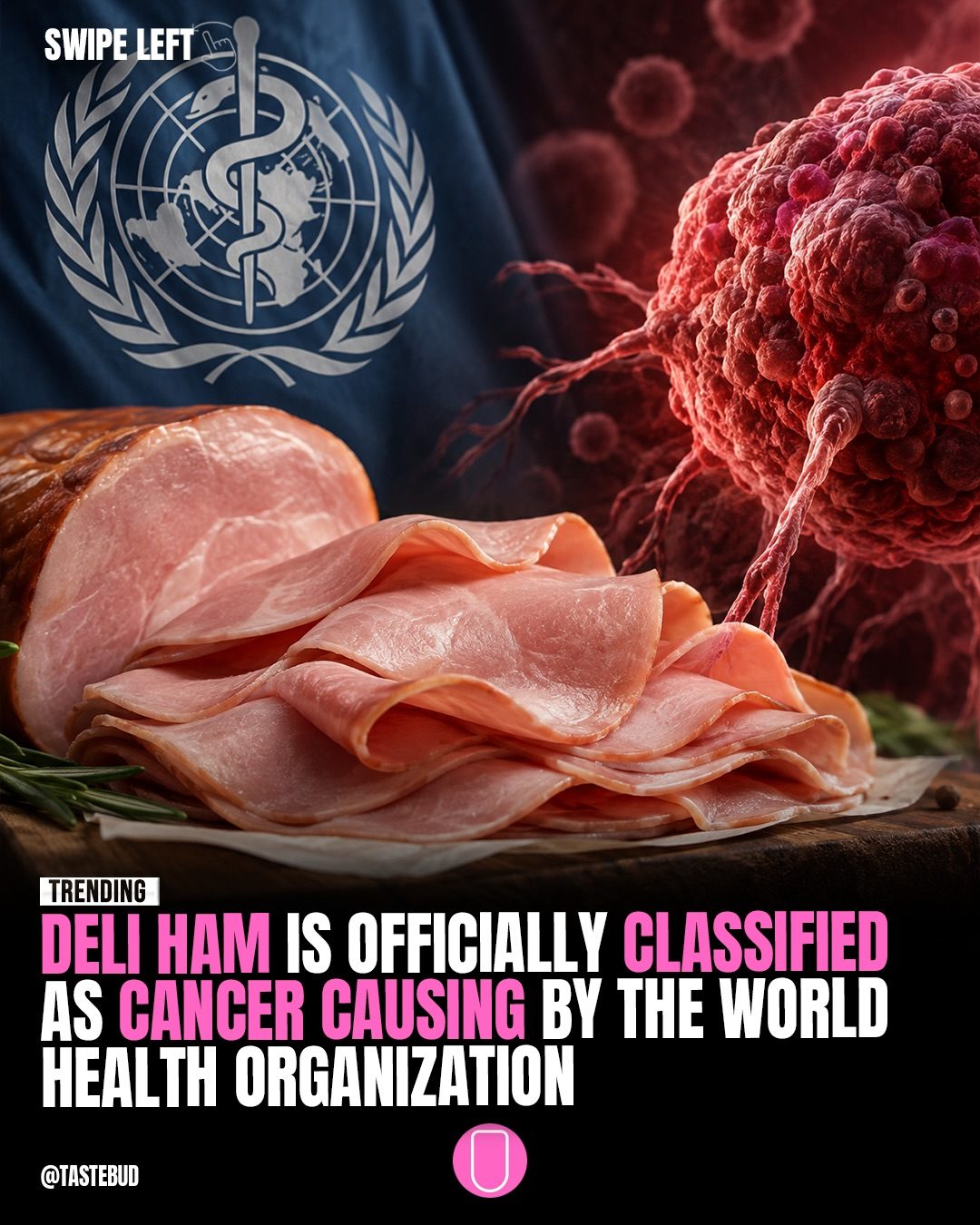
With a similar cancer classification to tobacco, the World Health Organization (WHO) lists deli ham as a dangerous food product. "Deli ham is officially classified as cancer-causing," declares the on-screen text. But why is this processed meat in the same category as tobacco and asbestos? The answer lies in long-term consumption and the associated health risks. The WHO's classification is based on a large body of research that shows a link between processed meat consumption and an increased risk of colorectal cancer. However, the risk is small, and the impact is not immediate—we’re talking a 17% higher risk of colorectal cancer with 50 grams of processed meat per day compared to no consumption. The official classification is a conclusion of corporate products receiving the Group 1 classification, not a judgement of personal choices, part of a food chain that protects consumers. In this context, deli ham is a problematic food product, but it is not the sole contributor to health risks. As research shows, this processed meat is not a unique health threat. Carcinogens abound in various foods, including red meat and grilled or smoked meats. The concern surrounding the consumption of deli ham specifically is due to its higher levels of nitrates and nitrites, which are added as preservatives. These chemicals can form nitrosamines during the digestion process, which are known to cause cancer. The classification doesn’t mean that a person will inevitably develop cancer from eating deli ham. Rather, it suggests that regular consumption increases the risk, especially when consumed in larger quantities over a long period.
How the classification works
Deli ham, along with tobacco and asbestos, belongs to Group 1, the highest cancer risk classification. There are a few key differences to note. Tobacco is classified with an elevated risk because it directly causes cancer. Asbestos is a well-known carcinogen with various health implications. The WHO and the International Agency for Research on Cancer use evidence-based data to determine these categories. For deli ham, the evidence lies in numerous scientific studies that have linked high consumption of processed meat to an increased risk of colorectal cancer. Interpreting class labels is all about evidence. The classification process involves a rigorous evaluation of scientific evidence. Factors such as the strength of the association, the consistency of the findings, and the biological plausibility of the link between the substance and cancer. For example, strong epidemiological studies showing a consistent rise in colorectal cancer among those who consume high amounts of processed meats contribute to the Group 1 classification.
But is it all about deli ham?
The impact of deli ham on human health is tied to dietary patterns. Beyond deli ham, the overall diet plays a crucial role in determining health risks. For example, a diet high in processed meats but also rich in fruits, vegetables, and whole grains might mitigate some of the risks. The key is moderation and balance. Regulating consumption is about being mindful of dietary choices. Processed meats, including deli ham, can be part of a healthy diet and the risk may increase due to excess consumption. Processing methods and additives are to blame to a great degree. When preparing and consuming deli ham, key factors to consider are the processing methods, additives, and the overall diet. Nitrates and nitrites, commonly used as preservatives in processed meats, are a major concern. They can form nitrosamines, which are known carcinogens. Moderation in consumption and a balanced diet are recommended to minimize the risks.
Watch the Reel
Related deep dives
Similar reads based on topic and creator.


Recent articles
Fresh deep dives from the latest Reels we unpacked.




Comments
Be the first to comment.