Hair Loss and Stress
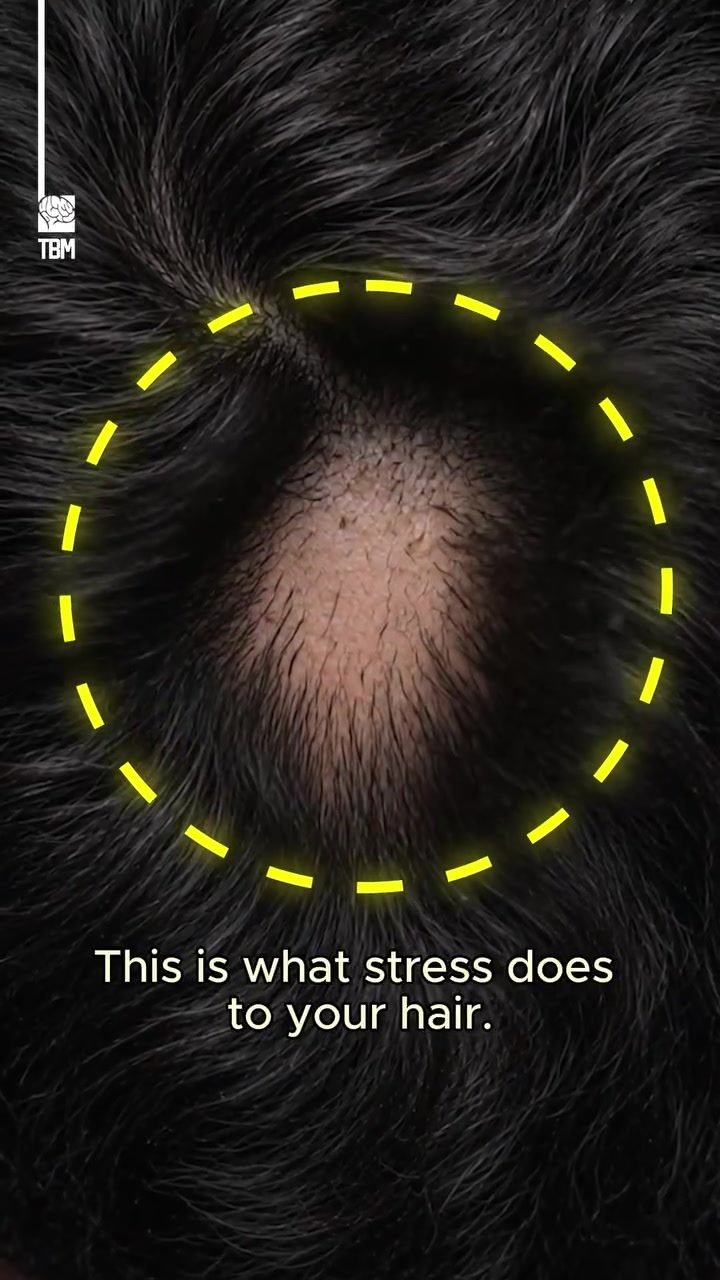
Stress can have a profound impact on the body, and one of the less-understood consequences is its effect on hair. Stress-related alopecia, or hair loss, is a common issue that can occur after experiencing intense physical or emotional stress. Understanding the mechanisms behind this phenomenon can help manage expectations and implement effective strategies for recovery.
Why This Matters
Stress-related hair loss can be particularly puzzling because it often manifests long after the stressful event has passed, sometimes months later. This delayed response can make it difficult to connect the dots between stress and hair shedding. Additionally, the psychological impact of hair loss can exacerbate stress levels, creating a vicious cycle.
The Science Behind Stress and Hair Loss
The Hair Growth Cycle
To understand how stress affects hair, it's important to grasp the natural hair growth cycle, which consists of three phases:
- Anagen (Growth Phase): This is the active growth phase where hair follicles produce new hair.
- Catagen (Transition Phase): A short phase where the follicle shrinks and detaches from the dermal papilla.
- Telogen (Resting Phase): The hair follicle rests, and the hair remains attached but does not grow. This phase typically lasts a few months before the cycle restarts with a new anagen phase.
Stress and the Telogen Phase
Intense stress can disrupt this cycle by pushing a large number of hair follicles into the telogen phase prematurely. This condition is known as telogen effluvium. As a result, hair that would normally stay in the active growth phase is prematurely pushed into the resting phase. The hair does not fall out immediately but remains attached for several weeks before beginning to shed. This is why hair loss can occur two to three months after a stressful event, even if the stress has subsided.
Alopecia Areata
Stress can also exacerbate other forms of hair loss, such as alopecia areata. In this condition, the immune system mistakenly attacks hair follicles, leading to patchy hair loss. While the exact cause of alopecia areata is not fully understood, stress can worsen symptoms and increase the frequency and severity of hair loss episodes.
The Recovery Process
The good news is that in most cases of stress-related hair loss, the hair follicles remain alive beneath the skin. Once the body calms down, hormones stabilize, inflammation decreases, and the normal hair growth cycle can slowly restart. New hair can gradually return over several months, depending on the individual and the underlying cause of the stress.
Practical Tips
Managing Stress
- Mindfulness and Meditation: Practices like mindfulness and meditation can help reduce stress levels by promoting relaxation and mental clarity.
- Regular Exercise: Physical activity releases endorphins, which are natural mood elevators. Regular exercise can also improve overall health, including hair health.
- Adequate Sleep: Getting enough sleep is crucial for the body to recover and repair itself. Aim for 7-9 hours of quality sleep per night.
- Balanced Diet: A nutritious diet rich in vitamins, minerals, and proteins can support hair health and overall well-being.
- Stress Management Techniques: Techniques such as deep breathing, yoga, and progressive muscle relaxation can help manage stress effectively.
Hair Care
- Gentle Hair Care Routine: Avoid harsh chemicals and heat styling tools that can further damage the hair. Opt for gentle shampoos and conditioners.
- Regular Trims: Regular trims can help remove split ends and promote healthier hair growth.
- Scalp Massage: Gentle scalp massages can stimulate blood flow to the scalp, promoting hair growth.
- Hair Supplements: Consider supplements that contain vitamins and minerals essential for hair health, such as biotin, iron, and zinc. Always consult a healthcare provider before starting any new supplement regimen.
Important Takeaways
- Delayed Onset: Stress-related hair loss can occur months after the stressful event, making it difficult to connect the dots.
- Telogen Effluvium: Intense stress can push hair follicles into a resting phase, leading to hair shedding later on.
- Alopecia Areata: Stress can exacerbate conditions like alopecia areata, leading to patchy hair loss.
- Recovery: With proper stress management and self-care, new hair can gradually return over several months.
Conclusion
Stress-related hair loss is a complex issue that involves the disruption of the normal hair growth cycle. By understanding the mechanisms behind this phenomenon and implementing practical stress management techniques, it's possible to support hair recovery and overall well-being. If you're experiencing hair loss due to stress, remember that it's a normal and often temporary condition. With patience and self-care, your hair can gradually return to its healthy state.
Watch the Reel
Questions readers ask
How does stress impact the hair growth cycle?
Stress can interfere with the hair growth cycle by pushing hair follicles into a resting phase prematurely. This disruption can lead to increased hair shedding and noticeable thinning. The hair growth cycle consists of three phases: anagen (growth), catagen (transition), and telogen (resting). Stress can cause hair follicles to abruptly move from the anagen phase to the telogen phase, resulting in hair loss a few months later.
Why does hair loss from stress occur months after the stressful event?
The delayed hair loss from stress occurs because hair follicles have a delayed response to stress. When stress triggers hair follicles to enter the resting phase prematurely, it takes several months for these follicles to shed the hair. This delay often results in hair loss appearing months after the initial stressor has passed. As the hair follicles move through the growth cycle, the stress-induced shedding becomes apparent.
Can stress cause gradual hair loss over time?
Yes, prolonged or chronic stress can lead to gradual hair loss. Chronic stress can continually disrupt the hair growth cycle, causing hair to shed progressively rather than all at once. This type of hair loss can be more challenging to notice but can result in thinning and a reduction in hair density over time.
Does stress affect new hair growth?
Stress can indeed affect new hair growth. When the body is under stress, it diverts resources away from non-essential functions, including hair regrowth. This can slow down the anagen phase of the hair growth cycle, resulting in thinner and slower-growing new hair. Over time, this can lead to a change in hair texture and increased shedding.
What are the signs to look for indicating that stress may be causing hair loss?
Signs that stress might be causing hair loss include increased hair shedding, noticeable thinning, and a change in hair texture. If you experience these symptoms following a stressful event or period, it is likely that stress is the contributing factor. The hair loss may be more apparent around the crown of the head, and you might notice more hair on your pillow, in your hairbrush, or in the shower drain.
How can managing stress help with hair loss recovery?
Managing stress can be crucial for hair loss recovery. By reducing stress levels, you allow your body to return to its normal hair growth cycle. This can help new hair growth and reduce further shedding. Implementing stress-reduction techniques, such as meditation, exercise, and good sleep hygiene, can support hair regrowth and overall well-being.
What role does nutrition play in stress-induced hair loss?
Nutrition plays a significant role in stress-induced hair loss. When the body is under stress, it may not absorb essential nutrients efficiently, which can further impact hair health. Eating a balanced diet rich in proteins, vitamins, and minerals can support hair growth and recovery. Additionally, staying hydrated can help maintain overall hair health and promote regrowth.
Related deep dives
Similar reads based on topic and creator.


Recent articles
Fresh deep dives from the latest Reels we unpacked.




Comments
Be the first to comment.