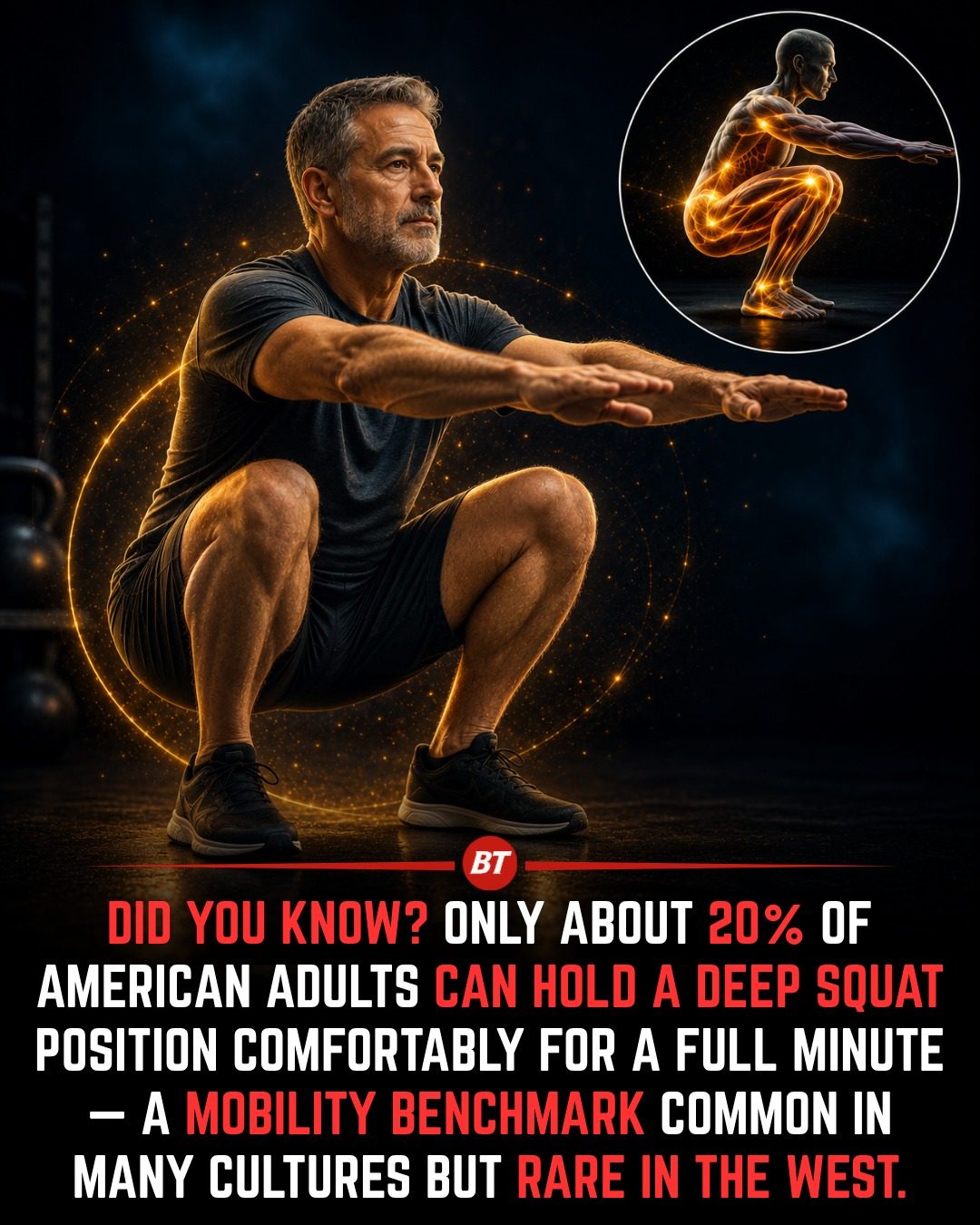
Deep Squat: A Global Mobility Benchmark
Deep squatting is a fundamental human movement with widespread cultural significance, yet many adults in Western countries struggle to maintain this position comfortably. This mobility benchmark, common in various cultures, is elusive for a large portion of the Western population.
Why This Matters
Understanding the deep squat's importance and the challenges faced by many Western adults can provide insights into overall health and mobility. The deep squat engages multiple joints and muscle groups, making it a useful indicator of lower-body mobility and functional strength. Improving this ability can enhance daily activities, reduce injury risk, and promote healthy aging.
The Deep Squat: A Global Movement
Cultural Significance
In many parts of the world, resting in a deep squat is an everyday position used for various activities, from cooking and gardening to eating or relaxing. This position is deeply ingrained in many cultures, reflecting the natural mobility and flexibility of the human body. The deep squat is so common in some cultures that it's often used as a resting position, offering a break from prolonged standing or sitting.
The Western Challenge
Despite its global prevalence, many adults in Western countries find it difficult to hold a deep squat position comfortably. This disparity highlights the impact of modern lifestyles, particularly prolonged sitting and reduced physical activity. The sedentary nature of many Western jobs and lifestyles contributes to reduced mobility, muscle tightness, and joint stiffness, making the deep squat position feel uncomfortable or unstable.
Muscles and Joints Engaged
A deep squat requires multiple joints to move through a full range of motion. The ankles, knees, hips, and spine all play crucial roles, while the core and leg muscles work together to maintain balance and stability. This holistic engagement makes the deep squat an excellent indicator of overall lower-body mobility and functional strength.
The Science Behind the Squat
Mobility and Aging
Research published in the Journal of Strength and Conditioning Research and Sports Medicine has shown that maintaining good lower-body mobility is essential for healthy aging. Regularly performing full-range movements, like the deep squat, can improve balance, joint function, and functional strength. Engaging in these movements can also enhance longevity and overall health, making the deep squat a key mobility benchmark.
Sedentary Lifestyles
As people become more sedentary, their joints often lose flexibility and strength, making the deep squat position feel uncomfortable or unstable. Prolonged sitting, a common feature of modern lifestyles, can lead to shortened hip flexors and tight hamstrings, further hindering mobility. This lack of range of motion makes it challenging to perform daily activities and can increase the risk of injury.
Practical Tips for Improving Deep Squat Mobility
Improving deep squat mobility is highly trainable. Incorporating regular stretching, strength training, and gradual squat practice can help enhance range of motion over time. Here are some practical tips to get started:
Daily Squat Practice
Spend 30–60 seconds each day practicing a comfortable squat while holding onto a sturdy door frame, countertop, or suspension strap for support if needed. Over time, gradually reduce the support as your strength and flexibility improve.
Ankle Mobility Drills
Ankle mobility is crucial for a proper deep squat. Incorporate ankle mobility drills into your daily routine to improve your range of motion. Simple exercises like ankle circles, heel raises, and calf stretches can make a significant difference.
Hip Stretches
Tight hips can hinder mobility and make it difficult to achieve a deep squat. Regular hip stretches, such as pigeon pose, butterfly stretches, and frog stretches, can help improve flexibility and range of motion. These stretches can be done daily or as part of a regular fitness routine.
Bodyweight Squats
Bodyweight squats are an excellent way to build strength and endurance in the lower body. Start with basic bodyweight squats and gradually increase the range of motion as your mobility improves. Over time, you can add resistance or variations, such as jump squats or pistol squats, to challenge your muscles further.
Important Takeaways
The deep squat is a valuable mobility benchmark that offers insights into overall health and functional strength. Incorporating regular deep squat practice, ankle mobility drills, hip stretches, and bodyweight squats can help improve lower-body mobility and enhance daily activities. Embracing the deep squat as part of a holistic fitness routine can lead to better mobility, reduced injury risk, and healthier aging.
Conclusion
The deep squat is more than just a fitness exercise; it's a cultural movement and a global mobility benchmark. By understanding its significance and incorporating practical tips into your daily routine, you can improve your mobility, enhance your overall health, and embrace a more active lifestyle. Whether you're new to fitness or a seasoned athlete, the deep squat offers a simple yet powerful way to assess and improve your lower-body mobility.
Watch the Reel
Questions readers ask
What are the primary benefits of practicing the deep squat?
The deep squat offers numerous benefits, including improved lower body strength and flexibility. It enhances mobility, reduces the risk of injuries, and promotes better balance. Additionally, it can make daily activities, such as standing up from a chair or picking up objects from the floor, easier to perform.
Why do many Western adults struggle with the deep squat?
Many Western adults struggle with the deep squat due to sedentary lifestyles and reduced daily movement. This leads to decreased lower body flexibility and strength. In contrast, many other cultures incorporate deep squatting into daily activities, which helps maintain this ability.
What muscles does the deep squat primarily engage?
The deep squat engages multiple muscle groups, including the quadriceps, hamstrings, glutes, calves, and core muscles. It also involves the ankles, knees, and hips, making it a comprehensive lower body exercise.
How can I improve my ability to perform a deep squat?
To improve your deep squat, start by practicing partial squats and gradually increase your range of motion. Incorporate mobility exercises for your ankles, hips, and knees. Strengthening your lower body through targeted exercises can also help you achieve and maintain a full deep squat position.
What is the correct technique for performing a deep squat?
To perform a deep squat, stand with your feet shoulder-width apart and toes slightly turned out. Keeping your back straight, sit back as if you were sitting in a chair, ensuring your knees do not cave in. Go as low as you comfortably can, then stand back up, pushing through your heels. Keep your weight in your heels and maintain a neutral spine throughout the movement.
How long should I hold a deep squat position?
To build strength and endurance, start by holding the deep squat position for 20-30 seconds. As you become more comfortable, gradually increase the duration. Incorporating holds into your routine can help improve your lower body flexibility and control.
Can the deep squat help with injury prevention?
Yes, the deep squat can help with injury prevention by improving your lower body strength, flexibility, and balance. It enhances joint stability and mobility, which can reduce the risk of injuries related to falls or improper movement patterns. Regular practice can contribute to overall better movement quality and resilience.
Related deep dives
Similar reads based on topic and creator.




Recent articles
Fresh deep dives from the latest Reels we unpacked.




Comments
Be the first to comment.