Cancer Treatment and the Power of Marine Bacteria
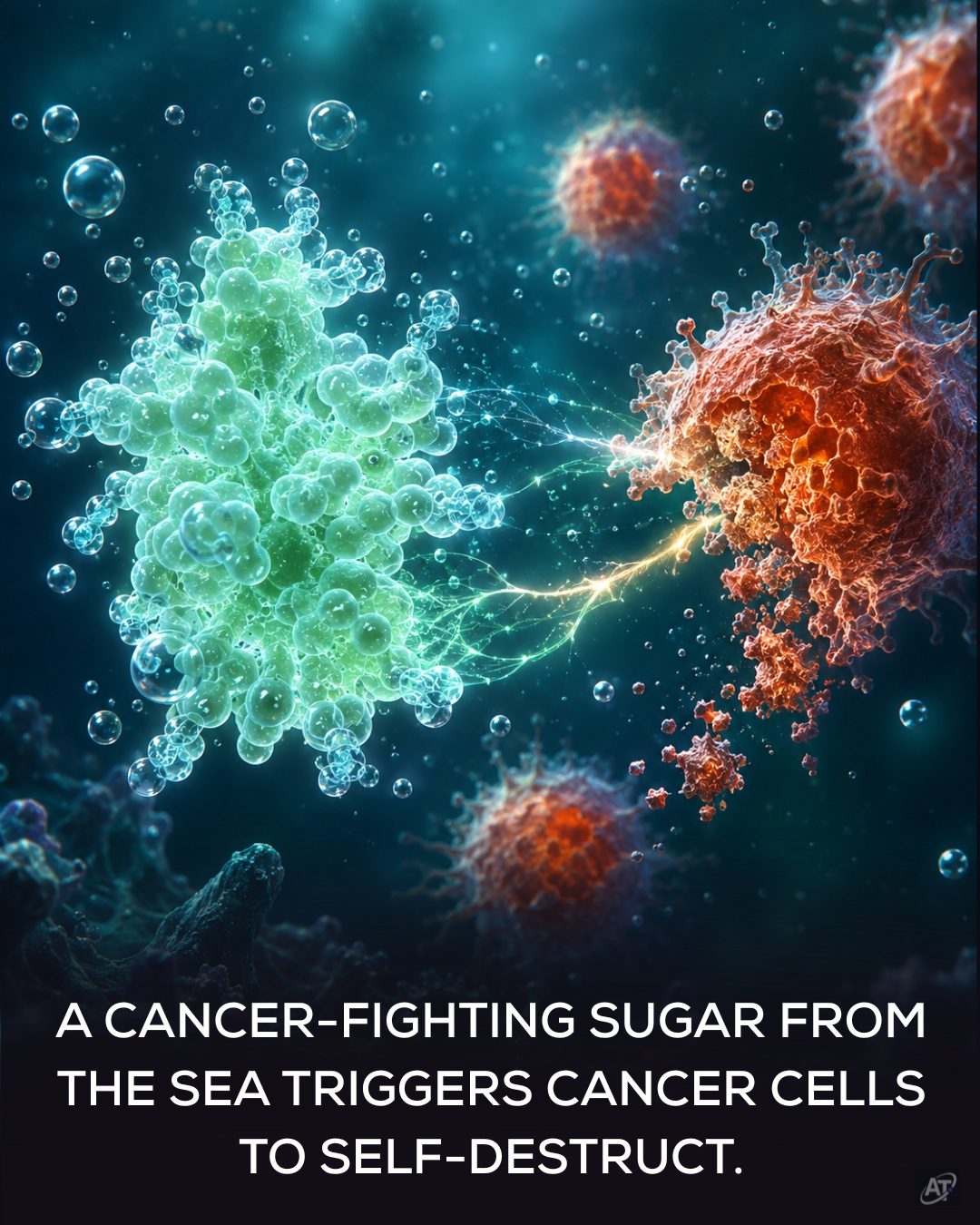
Self-destruction is an extraordinary sight, but it becomes a remarkable medical curiosity when it happens to cancer cells. In recent laboratory experiments, a sugar molecule called EPS3.9—produced by deep-sea bacteria—has shown an unprecedented ability to induce a dramatic form of self-destruction in cancer cells.
Why this Matters
The molecule EPS3.9, a long-chain carbohydrate, is made primarily from mannose and glucose. This complex compound, however, stands in stark contrast to ordinary table sugar. Researchers have discovered that EPS3.9 can trigger pyroptosis, an inflammatory form of programmed cell death.
Pyroptosis is significant because it not only causes the cell to swell and rupture but also releases signals that can alert the immune system. This dual effect is crucial for developing future treatments that could attack tumors directly while also helping the immune system identify and respond to them.
The Mechanism of Pyroptosis
How EPS3.9 Attacks Cancer Cells
In laboratory experiments, EPS3.9 has been observed to attach to several fats in cancer-cell membranes. This interaction activates pyroptosis, a process that involves the cell swelling, rupturing, and releasing signals that can alert the immune system. This mechanism has been demonstrated in human leukemia cells and has also been tested against liver-cancer cells and in mice carrying human liver tumors.
The Results of EPS3.9 Treatment
Treatment with EPS3.9 has significantly slowed tumor growth in the tested liver-cancer cells and mice. The compound also appears to stimulate an antitumor immune response. This is scientifically interesting because a future treatment might potentially attack tumors directly while also helping the immune system recognize them.
Practical Tips for Understanding This Discovery
Differentiating EPS3.9 from Ordinary Sugar
It’s essential to understand that EPS3.9 is not the same as ordinary table sugar. Ordinary sugar is a simple carbohydrate, whereas EPS3.9 is a complex molecule made primarily from mannose and glucose. This complexity is crucial for its ability to trigger pyroptosis in cancer cells.
The Potential of Marine Bacteria
Spongiibacter bacteria, found in the deep ocean, produce EPS3.9. This discovery underscores the potential of marine bacteria to produce compounds with significant medical applications. The ocean is a vast, largely unexplored resource that could hold countless molecules with medical potential.
Important Takeaways
EPS3.9 Is Still in Early-Stage Research
While EPS3.9 has shown promising results in laboratory experiments, it is still an early-stage discovery. Much more research is needed to determine its safety, toxicity, dosing, delivery, and long-term effects. Researchers have not yet shown that EPS3.9 can safely and selectively destroy cancer cells while leaving healthy human tissue unharmed.
The Ocean's Potential for Medical Discoveries
The discovery of EPS3.9 opens an exciting new line of research. The ocean may contain countless molecules with medical potential, and this discovery is just the beginning. Researchers will need to study the compound's long-term effects and how it can be used safely and effectively in cancer treatment.
Limitations and Future Research
The discovery does not mean that consuming sugar, seaweed, or marine supplements can treat cancer. EPS3.9 is a purified experimental compound being investigated as a possible starting point for future medicines. Future research will focus on the toxicity, dosing, delivery, and long-term effects of EPS3.9, as well as its potential to be used in combination with other treatments.
Conclusion
The discovery of EPS3.9 is a fascinating development in the field of cancer research. While it is still in the early stages of laboratory testing, the potential of this compound to trigger self-destruction in cancer cells is promising. The journey from the laboratory to the clinic is long, but the potential of marine bacteria to produce compounds with significant medical applications is undeniable. Continued research and development may lead to new and effective cancer treatments in the future.
Watch the Reel
Questions readers ask
What is EPS3.9 and where does it come from?
EPS3.9 is a complex sugar molecule produced by bacteria found in the deep sea. It is primarily composed of mannose and glucose, unlike ordinary table sugar.
How does EPS3.9 affect cancer cells?
EPS3.9 induces a process called pyroptosis in cancer cells, which is a form of programmed cell death. This process causes the cancer cells to swell, rupture, and release signals that can activate the immune system.
What makes pyroptosis significant in cancer treatment?
Pyroptosis is significant because it not only causes cancer cell death but also triggers an immune response. This immune activation can potentially enhance the body's ability to fight cancer.
What are the potential benefits of using deep-sea compounds in cancer treatment?
Deep-sea compounds like EPS3.9 offer a novel approach to cancer treatment by inducing cancer cell death and activating the immune system. This could lead to more effective and targeted therapies.
How does EPS3.9 differ from conventional cancer treatments?
Unlike conventional cancer treatments, EPS3.9 does not directly target specific cancer cells and instead works by triggering a natural cell death process. This process is further enhanced by an immune response, which can help fight cancer more broadly.
What are the implications of EPS3.9's ability to activate the immune system?
The activation of the immune system by EPS3.9 suggests that this compound could be used to develop new cancer treatments that enhance the body's natural defenses against cancer. This could complement or even replace traditional treatments in some cases.
What are the next steps in researching EPS3.9 for cancer treatment?
Researchers will likely conduct further laboratory experiments and clinical trials to assess the safety and effectiveness of EPS3.9 in treating various types of cancer. This will involve testing the compound in different cancer models and eventually in human patients.
Recent articles
Fresh deep dives from the latest Reels we unpacked.




Comments
Be the first to comment.