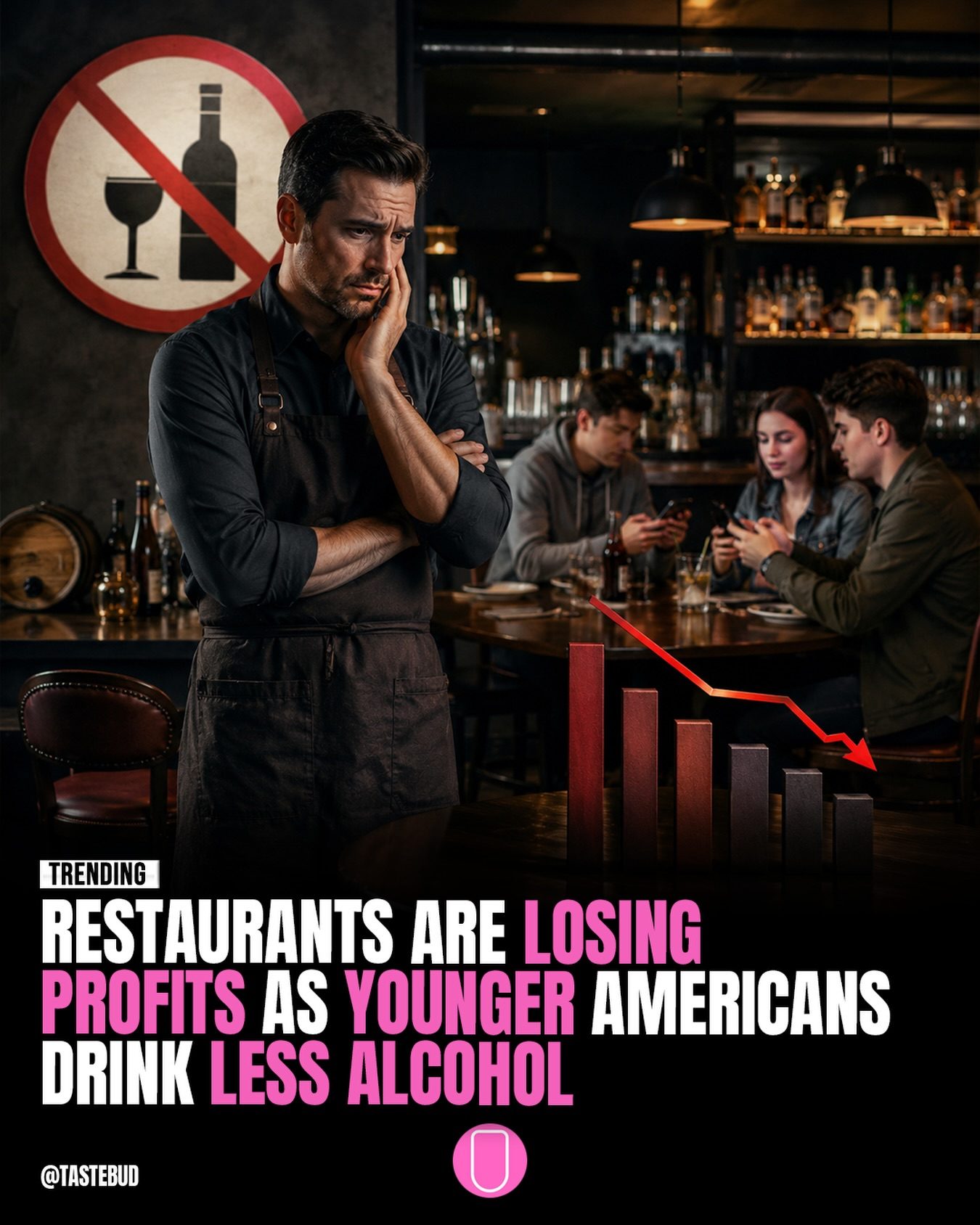
Restaurant Industry Decline and the Impact of Lower Alcohol Sales
Restaurants across the U.S. are under significant financial pressure due to a notable decline in alcohol sales, particularly among younger consumers. This trend, highlighted by industry reports, shows that many Gen Z and millennial consumers are drinking less than previous generations. For restaurants, alcohol has traditionally been one of the highest-margin items, making the shift in consumer behavior a pressing concern.
Why This Matters
The Role of Alcohol in Restaurant Profitability
Alcohol sales have long been a cornerstone of restaurant profitability. With higher margins compared to food, alcohol can significantly boost a restaurant's bottom line. However, as younger consumers reduce their alcohol intake, restaurants are seeing fewer drink orders, which directly impacts their overall profitability. This trend is causing some businesses to feel the pinch, even as food sales remain stable.
Changing Consumer Behavior
The shift in drinking habits among younger generations is a multifaceted phenomenon. Factors such as increased health consciousness, social media influences, and economic concerns are all playing a role. Many Gen Z and millennial consumers are choosing non-alcoholic beverages or opting for lower-alcohol options, which can be more costly to produce and serve.
Economic Implications
The decline in alcohol sales is more than just a minor inconvenience for restaurants. It affects the entire supply chain, from distributors to breweries and wineries. The ripple effect can lead to job losses, reduced investments, and a slowdown in the broader economy.
The Impact on Different Types of Restaurants
Bars and Lounges
Establishments that heavily rely on alcohol sales, such as bars and lounges, are particularly vulnerable. These businesses often have higher overhead costs and rely on alcohol to cover expenses. A drop in drink orders can quickly lead to financial stress and may even force some establishments to close.
Casual Dining
For casual dining restaurants, the impact is more subtle but no less significant. While these establishments may have a more diversified revenue stream, the loss of alcohol sales can still tighten profit margins. As a result, some casual dining restaurants are exploring new strategies to compensate for the decline in alcohol revenue.
Fine Dining
Even high-end restaurants, which often have extensive wine lists and expensive cocktails, are feeling the pinch. These establishments may have to pivot their strategies to remain profitable, such as offering more non-alcoholic beverage options or focusing on unique dining experiences rather than relying on high-margin alcohol sales.
Strategies to Adapt and Thrive
Diversifying Revenue Streams
One effective way for restaurants to combat the decline in alcohol sales is to diversify their revenue streams. This can include offering a wider variety of non-alcoholic beverages, such as craft sodas, mocktails, and low-alcohol beers. It can also involve increasing the variety of food items, including health-conscious options that appeal to younger consumers.
Enhancing the Dining Experience
Creating an exceptional dining experience can help restaurants maintain customer loyalty and attract new patrons. This can involve upgrading the ambiance, offering unique or themed evenings, or providing personalized service. By focusing on the overall experience, restaurants can differentiate themselves and draw in customers who might otherwise be reluctant to spend on alcohol.
Leveraging Technology
Many restaurants are turning to technology to enhance their customer experience. This can include implementing mobile ordering systems, offering virtual cocktail classes, or using data analytics to understand and predict consumer preferences. By leveraging technology, restaurants can stay ahead of the curve and adapt to changing consumer behaviors.
Promoting Healthier Options
Given the trend toward health consciousness, restaurants can benefit from promoting healthier food and beverage options. This can include offering low-calorie, low-sugar, and low-alcohol beverages, as well as healthy meal choices that appeal to younger consumers. By positioning themselves as health-conscious establishments, restaurants can attract a new demographic and increase their customer base.
Practical Tips for Restaurants
Conduct Market Research
Understanding the specific needs and preferences of your target audience is crucial. Conduct market research to identify what younger consumers are looking for in a dining experience. This can help you tailor your offerings to better meet their expectations.
Develop a Non-Alcoholic Menu
Creating a compelling non-alcoholic beverage menu can help attract health-conscious consumers and those who prefer not to drink. Offer a variety of mocktails, craft sodas, and low-alcohol beverages to give customers plenty of options.
Focus on Quality
Ensuring that your food and beverages are of the highest quality is essential. High-quality products and exceptional service can help differentiate your restaurant from competitors and keep customers coming back.
Engage with Customers
Use social media and other digital platforms to engage with your customers. Share updates, promotions, and special events to keep them informed and excited about your restaurant. Encourage customer feedback to improve your offerings and services.
Important Takeaways
The Shift in Consumer Behavior
Understanding the shift in consumer behavior among younger generations is critical. Restaurants need to adapt to changing preferences and offer more non-alcoholic and healthier options to cater to this demographic.
Economic and Supply Chain Impact
The decline in alcohol sales has broader economic implications, affecting the entire supply chain. Restaurants must find ways to mitigate this impact to maintain profitability and sustainability.
Adaptability
The key to thriving in this changing landscape is adaptability. Restaurants that can diversify their revenue streams, enhance their dining experience, and leverage technology are more likely to succeed.
Conclusion
The decline in alcohol sales among younger consumers is a significant challenge for the restaurant industry. However, by understanding the underlying factors and adopting innovative strategies, restaurants can navigate this trend and continue to thrive. This involves diversifying revenue streams, enhancing the dining experience, leveraging technology, and promoting healthier options. With a proactive approach, restaurants can adapt to changing consumer behaviors and secure their place in a rapidly evolving market.
Watch the Reel
Questions readers ask
How are younger generations changing alcohol consumption habits?
Younger generations, particularly Gen Z and millennials, are drinking less alcohol compared to previous generations. This shift is driven by various factors, including health consciousness, changing social norms, and a greater focus on wellness. Many young Americans are opting for non-alcoholic beverages or low-alcohol alternatives, which has led to a notable decline in traditional alcohol sales.
Why are declining alcohol sales a concern for US restaurants?
Decline in alcohol sales is a concern for US restaurants because alcohol is typically the highest-margin item on the menu. The profit from alcohol sales often compensates for the lower margins on food. As alcohol sales decrease, restaurants face challenges in maintaining their overall profitability, especially in an already competitive market.
What strategies can restaurants employ to mitigate the loss from declining alcohol sales?
Restaurants can explore several strategies to mitigate the loss from declining alcohol sales. These include diversifying their beverage menus to include more non-alcoholic and low-alcohol options, offering unique cocktails and mocktails, and promoting these options effectively. Additionally, enhancing food quality and variety can help attract customers who prioritize dining experiences over drinking. Restaurants may also consider hosting events or promotions that focus on non-alcoholic offerings to draw in younger customers.
How does the drinking habits of younger consumers compare to older generations?
The drinking habits of younger consumers differ significantly from older generations. Older generations tend to consume more alcohol, viewing it as a social norm. In contrast, younger consumers are more inclined to prioritize health, wellness, and mindful consumption, leading to a decrease in alcohol intake. This generational shift has significant implications for the restaurant industry, which traditionally relies on alcohol sales for a substantial portion of its profits.
What are some industry trends in 2024 that may impact US restaurant profits?
In 2024, several industry trends may impact US restaurant profits, including the continued decline in alcohol consumption among younger consumers. Restaurants are likely to see a shift in consumer preferences towards healthier, non-alcoholic beverages. Additionally, the rise of food delivery and takeout services, along with changes in dining-out habits due to economic factors and health concerns, will influence overall profitability. Restaurants will need to adapt by offering more diverse and appealing non-alcoholic options and tailoring their strategies to meet these evolving trends.
How does the decline in alcohol sales compare to other recent restaurant industry challenges?
The decline in alcohol sales is one of several recent challenges facing the restaurant industry. Other issues include labor shortages, rising food costs, and shifting consumer preferences. While these challenges are significant, the decline in alcohol sales is particularly concerning because it directly impacts the profitability of a restaurant's beverage menu. By understanding and addressing this shift, restaurants can better navigate the broader industry landscape and find new ways to thrive.
What role do non-alcoholic beverages play in addressing the decline in alcohol sales?
Non-alcoholic beverages play a crucial role in addressing the decline in alcohol sales. By offering a wide variety of high-quality, innovative non-alcoholic options, restaurants can cater to the changing preferences of younger consumers. These beverages can also attract health-conscious customers and those who prefer to avoid alcohol. To maximize the impact, restaurants should invest in creative non-alcoholic cocktail menus, mocktails, and other unique offerings to enhance the dining experience while maintaining profitability.
Related deep dives
Similar reads based on topic and creator.


Recent articles
Fresh deep dives from the latest Reels we unpacked.




Comments
Be the first to comment.