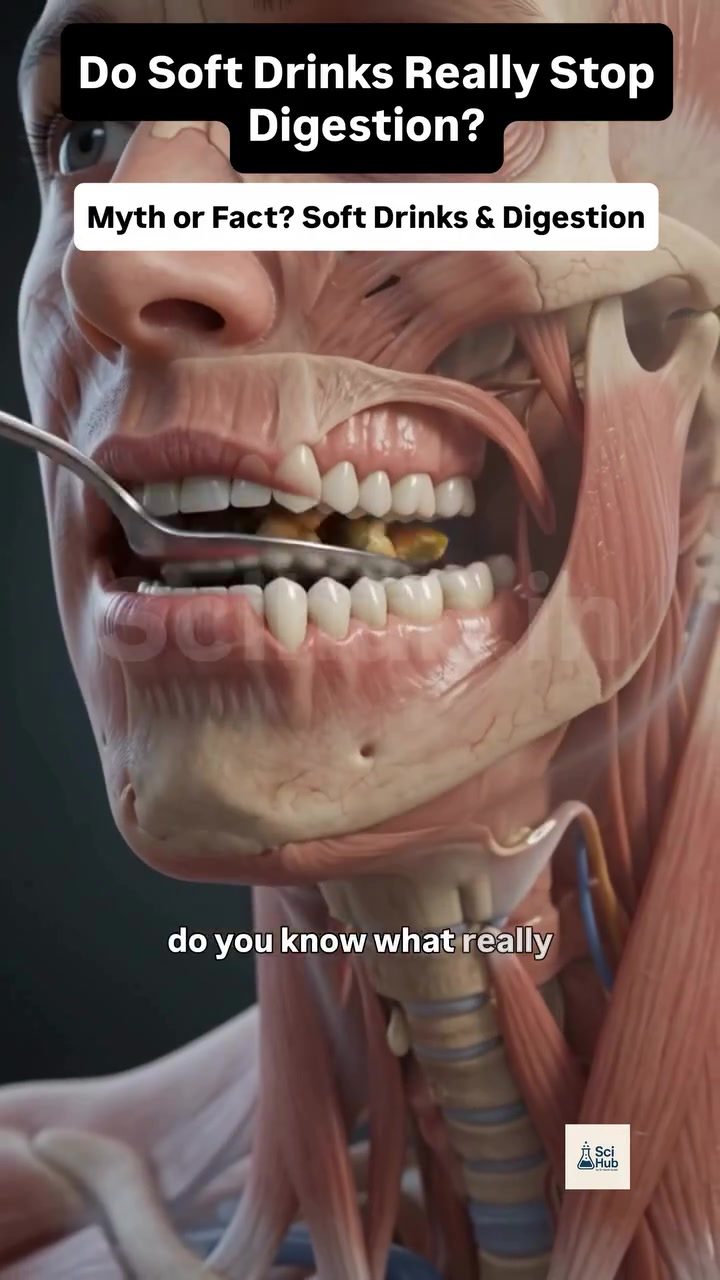
Do Soft Drinks Really Stop Digestion?
Many people believe that consuming a carbonated drink right after eating will halt the digestive process. This misconception has been widely discussed, but it's important to set the record straight. The digestive system doesn't shut down when a soft drink enters. Let's break down the actual process and explore why this myth persists.
Why This Matters
Understanding how your body processes food and beverages is crucial for maintaining good health. This knowledge helps debunk unnecessary restrictions and allows for more informed dietary choices. Highlighting the digestive process also helps us appreciate the intricacies of the human body and the importance of moderation.
The Digestive Process
When you consume a soft drink after a meal, it travels down through the esophagus and into your stomach. The carbon dioxide in soft drinks produces bubbles, which can cause feelings of bloating or lead to burping. However, these bubbles don't stop the stomach from continuing its vital work.
Your stomach is equipped with powerful muscles that churn food and mix it with acid and digestive enzymes. This process breaks down the food and continues even after the soft drink has entered the stomach.
From the stomach, the partially digested food reaches the small intestine. Here, additional enzymes continue the digestive process.
The Myth of Stopped Digestion
The myth that soft drinks stop digestion likely arises from the effects of carbonation and the sugar content in many of these beverages. When you drink a carbonated beverage, the release of carbon dioxide can cause discomfort or bloating. The sugar in these drinks can also lead to spikes in blood sugar and insulin levels, which might contribute to the feeling of sluggishness or discomfort. But these sensations do not mean that digestion has stopped.
The Role of Moderation
Though soft drinks don't halt digestion, they can have other health implications if consumed in large amounts. Drinking them frequently can increase your intake of added sugars and calories, which can negatively affect your health over time. Moderation is key here. Enjoying a soft drink occasionally is unlikely to cause significant harm, but making it a regular habit can lead to health issues.
Practical Tips
Here are some practical tips to help you understand and navigate the effects of soft drinks on your digestive system:
1. Pay Attention to Portion Sizes
If you do decide to consume a soft drink, be mindful of the serving size. Opting for smaller portions can help reduce the impact on your digestive system and overall health.
2. Hydrate with Water
Water is essential for digestion and overall health. Try to drink water alongside or instead of soft drinks to stay hydrated without the added sugars and calories.
3. Time Your Intake
If you have concerns about feeling bloated or experiencing discomfort, try to time your soft drink consumption away from meals. For example, you might opt to enjoy a soft drink between meals rather than immediately after eating.
4. Choose Healthier Alternatives
Sparkling water or water infused with natural flavors can be a refreshing alternative to soft drinks. They provide the carbonation without the added sugars and calories.
5. Monitor Your Digestion
Pay attention to how your body responds to soft drinks. If you notice digestive discomfort, it might be a sign to cut back or avoid them altogether.
Important Takeaways
Understanding that soft drinks do not stop digestion is a crucial step in making informed dietary choices. While they don't halt the digestive process, frequent consumption can have other health implications. Moderation and awareness of portion sizes are key to enjoying soft drinks without compromising your health.
Additionally, knowing the role of stomach muscles, acid, and enzymes in digestion helps appreciate the complexity of the digestive system. This understanding can guide better food and beverage choices, leading to a healthier lifestyle.
Conclusion
The myth that soft drinks stop digestion is just that—a myth. The digestive system continues to function effectively, breaking down food and absorbing nutrients, even when a carbonated beverage is consumed. However, frequent consumption of soft drinks can lead to increased sugar and calorie intake, potentially affecting overall health. By understanding the digestive process and the role of moderation, you can make more informed decisions about your diet and enjoy soft drinks responsibly.
Watch the Reel
Questions readers ask
How do soft drinks affect the digestive process?
Soft drinks primarily affect the stomach and intestines. The carbonation can cause bloating and gas, and the acidity may influence stomach acid production, but digestion does not stop. The digestive system continues to break down food and absorb nutrients, even after consuming a soft drink.
Can drinking soda with a meal cause digestion problems?
Drinking soda with a meal doesn't necessarily cause digestion problems. The digestive system can handle multiple substances at once. The carbonation and acidity in soda may lead to temporary discomfort, but it doesn't disrupt the normal digestive process.
Do soft drinks impact the enzymes responsible for digestion?
Soft drinks do not directly impact the enzymes responsible for digestion. Digestive enzymes, such as amylase and lipase, are produced by the body to break down food, and the presence of soft drinks does not halt or interfere with their function.
Why do some people believe that soft drinks halt digestion?
This belief has been perpetuated in popular culture. People often feel bloated or experience discomfort after consuming carbonated beverages, which leads them to assume that the digestive process has stopped. In reality, the digestive system continues to work as usual.
What happens when you drink soda during or after a meal?
When you drink soda during or after a meal, the carbonation and acidity can temporarily increase stomach acid production and cause gas. However, your body continues to digest the food, and the digestive process is not halted. The nutrients from the food will still be absorbed into the body.
Are there any benefits to drinking soda with a meal?
While there are no significant benefits to drinking soda with a meal, it can be considered a personal choice. However, it is important to note that the acidity and sugar content in sodas may contribute to various health issues, such as tooth decay, obesity, and metabolic syndrome when consumed in excess.
How does the body process soft drinks differently than food?
The body processes soft drinks differently than food because drinks pass through the digestive system more quickly. The digestive process for food involves breaking down complex molecules into simpler ones, which can take several hours. In contrast, liquids like soft drinks pass through the stomach and intestines relatively quickly, and the body absorbs the water and other components without significant delay.
Related deep dives
Similar reads based on topic and creator.

Recent articles
Fresh deep dives from the latest Reels we unpacked.




Comments
Be the first to comment.