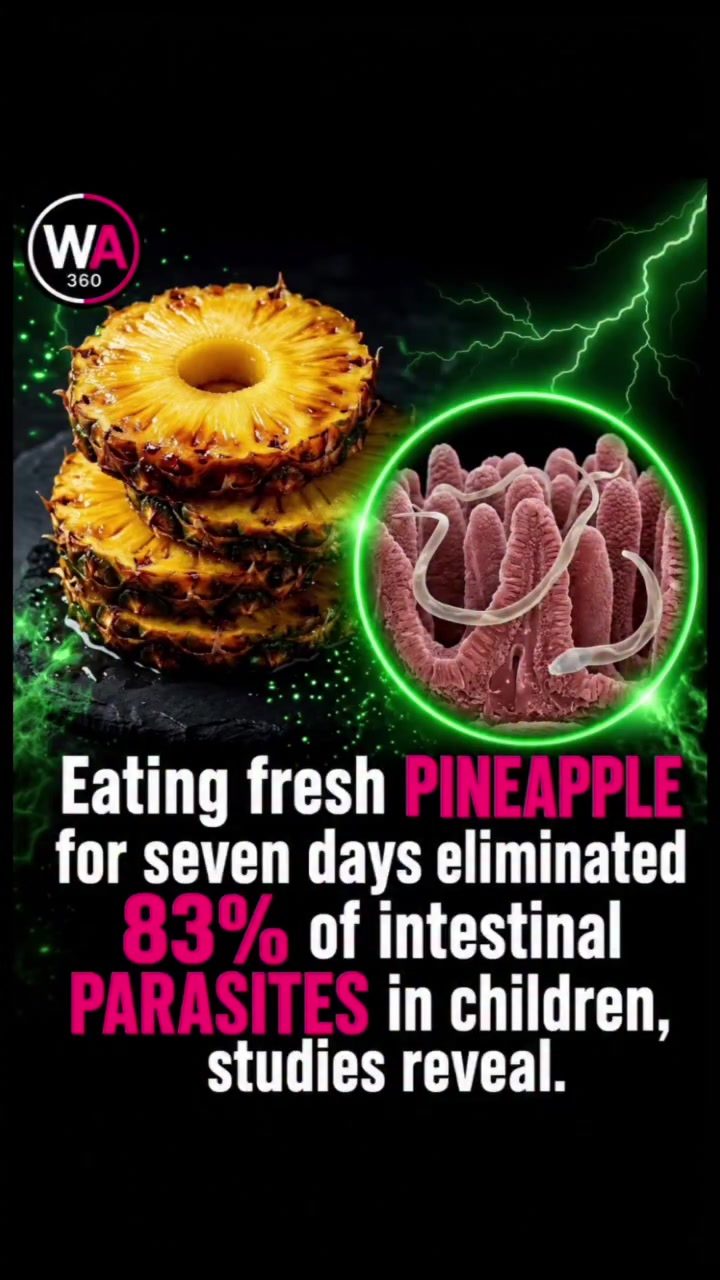
Pineapples are a tropical fruit cherished for their sweet, tangy flavor and numerous health benefits. However, a common question arises: Can pineapples help eliminate intestinal parasites, particularly in children? This article explores the facts and myths surrounding this claim, focusing on the enzyme bromelain and the overall health benefits of pineapples.
Why this matters
Parasitic infections are a significant global health issue, particularly in regions with poor sanitation and limited access to clean water. Children are especially vulnerable to these infections, which can lead to malnutrition, impaired growth, and other health complications. Understanding the role of dietary interventions, like consuming pineapples, is crucial for effective management and prevention strategies.
Bromelain: The enzyme with anti-parasitic potential
Pineapples contain an enzyme called bromelain, which has been shown to break down proteins and exhibit mild anti-parasitic activity in laboratory settings. This enzyme is responsible for the pineapple's ability to tenderize meat and may contribute to its potential health benefits.
Research indicates that bromelain can help break down proteins in parasites, potentially aiding in their elimination from the body. However, it is essential to note that while bromelain shows promise, clinical backing is still lacking in human studies. The claims of a 7-day pineapple cure removing 83% of intestinal worms in children do not have substantial evidence to support them.
Fresh pineapples and digestive health
While pineapples may not be a magic cure for intestinal parasites, they do offer several benefits for overall digestive health. Fresh pineapple consumption can help improve digestion due to its high water and fiber content. These nutrients promote regular bowel movements and support a healthy gut microbiome.
Additionally, pineapples are rich in various vitamins and minerals, including vitamin C, manganese, and antioxidants, which contribute to overall health and immune function. Incorporating fresh pineapple into a balanced diet can be a delicious way to support digestive health and boost overall well-being.
Addressing parasitic infections in children
Parasitic infections in children require evidence-based medical diagnosis and targeted treatment. Relying solely on dietary interventions like pineapple consumption may not be sufficient to address these infections effectively. Consulting healthcare professionals ensures that children receive appropriate care and treatment tailored to their specific needs.
Practical tips
Here are some practical tips for incorporating pineapples into your diet and promoting digestive health:
Choose fresh pineapples
Select ripe, fresh pineapples for the best flavor and nutritional content. Look for pineapples with a golden hue on the body, a sweet aroma, and a slight give when squeezed.
Consider adding other beneficial foods
Although pineapples have health benefits, it is essential to consume a variety of nutrient-rich foods. Add other fruits, vegetables, whole grains, and lean proteins to your diet to support overall health and digestion.
Stay hydrated
Drink plenty of water throughout the day to promote regular bowel movements and support digestive health. Proper hydration is critical for maintaining a healthy digestive system.
Practice good hygiene
Maintain good hygiene practices, such as washing hands regularly and cooking food thoroughly, to minimize the risk of parasitic infections.
Seek professional help
If you suspect a parasitic infection, consult a healthcare professional for an accurate diagnosis and appropriate treatment. Do not rely solely on dietary interventions for managing parasitic infections.
Important takeaways
- Pineapples contain bromelain, an enzyme with mild anti-parasitic activity.
- Claims of a 7-day pineapple cure for intestinal parasites lack clinical backing.
- Fresh pineapple supports overall digestive health due to its high water and fiber content.
- Parasitic infections in children require evidence-based medical diagnosis and targeted treatment.
- Incorporating fresh pineapple into a balanced diet can provide various health benefits.
- Always consult healthcare professionals for effective pediatric care.
Conclusion
While pineapples offer numerous health benefits, including mild anti-parasitic properties in laboratory settings, they are not a proven cure for intestinal parasites in children. Fresh pineapple can support overall digestive health and contribute to a balanced diet, but it is essential to rely on evidence-based medical care for managing parasitic infections. Always consult healthcare professionals for appropriate diagnosis and treatment.
Watch the Reel
Related deep dives
Similar reads based on topic and creator.


Recent articles
Fresh deep dives from the latest Reels we unpacked.




Comments
Be the first to comment.