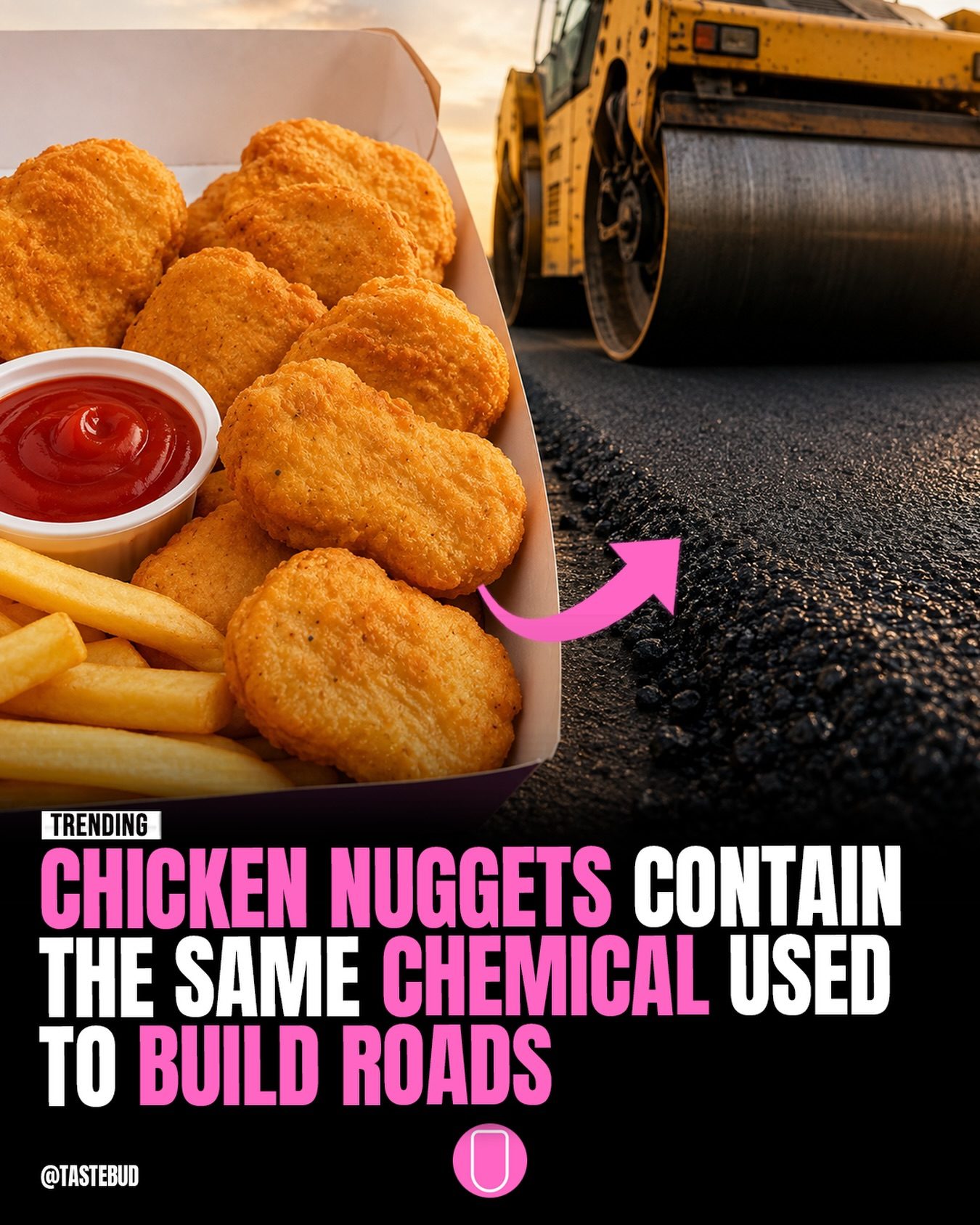
Chicken Nuggets and Road Chemicals
The claim that chicken nuggets contain the same chemicals used in road construction has been circulating, causing concern among consumers. At the heart of this controversy is an ingredient called thiamine mononitrate, found in McDonald's nuggets and other processed foods. Let's delve into the facts surrounding this ingredient and address the misconceptions.
Context: Why this Matters
Understanding the ingredients in our food is crucial. Consumers are becoming more informed and discerning about what they eat, and this has led to increased scrutiny of processed foods. When sensational claims surface, it's important to separate fact from fiction. The confusion surrounding thiamine mononitrate exemplifies how misinformation can spread quickly, causing unnecessary alarm.
Main Discussion
What is Thiamine Mononitrate?
Thiamine mononitrate is a synthetic form of vitamin B1. It is commonly added to processed foods to support energy metabolism and prevent deficiencies. This vitamin plays a crucial role in converting food into energy, which is vital for maintaining overall health. It is a required nutrient that helps maintain the proper functioning of nerves, muscles, and heart.
In industrial contexts, thiamine mononitrate may serve different purposes, but the version used in food is strictly regulated and considered safe by food authorities. The primary role of thiamine mononitrate in food is to enhance nutritional value, not to pose any health risks. The confusion arises because the name "thiamine mononitrate" might sound intimidating, especially when juxtaposed with its use in industrial applications like concrete and cement production.
The Industrial vs Food-Grade Thiamine Mononitrate
To clarify, the thiamine mononitrate used in food is a purified, safe ingredient. It undergoes rigorous testing to ensure it meets safety standards. In contrast, industrial-grade thiamine mononitrate might be used in different forms and concentrations, making it unsuitable for consumption. The key distinction here is that food-grade thiamine mononitrate is specifically produced and regulated for consumption, while industrial-grade thiamine mononitrate is not.
The Role of Misinformation
Misinformation is a significant problem in the digital age, and the chicken nugget controversy is a prime example. When scary claims are circulated without proper context, they can quickly gain traction and spread fear. The claim that chicken nuggets contain "road chemicals" is a dramatic oversimplification. While it's true that thiamine mononitrate can be found in both food and industrial settings, the forms and uses are entirely different.
The Importance of Transparency
In the face of such misinformation, transparency from food manufacturers is essential. Providing clear, accurate information about ingredients can help alleviate consumer concerns. For example, explaining the difference between food-grade and industrial-grade thiamine mononitrate can help dispel myths and build trust.
Practical Tips
How to Stay Informed
- Read Labels: Always check the ingredient list on food packaging. Look for familiar names and do some research if you encounter unfamiliar terms.
- Consult Reliable Sources: When in doubt, refer to reputable sources like government health websites, food safety organizations, or well-respected health experts.
- Avoid Sensational Headlines: Be wary of clickbait headlines and sensational claims. Look for balanced, fact-based information.
Engage with Brands
Don't hesitate to reach out to brands with questions about their ingredients. Many companies have customer service teams dedicated to addressing such inquiries.
Important Takeaways
- Thiamine Mononitrate in Food: It's a synthetic form of vitamin B1 commonly used in processed foods to support energy metabolism and prevent deficiencies.
- Safety Standards: Food-grade thiamine mononitrate is regulated and considered safe for consumption.
- Differentiate Uses: The version used in food is different from the industrial-grade version, which is not meant for consumption.
- Misinformation: Be cautious of sensational claims and seek reliable information.
- Transparency Matters: Food manufacturers should provide clear, accurate information about their ingredients.
Conclusion
The controversy surrounding the ingredient thiamine mononitrate in chicken nuggets reveals how important it is to stay informed and discerning. While the name might sound alarming, the reality is that thiamine mononitrate in food is a safe and beneficial ingredient. By understanding the differences between food-grade and industrial-grade thiamine mononitrate, we can better navigate the misleading information that often circulates online. Always engage with brands, read labels, and consult reliable sources to make informed decisions.
Watch the Reel
Questions readers ask
What is thiamine mononitrate and why is it used in chicken nuggets?
Thiamine mononitrate is a synthetic form of vitamin B1, also known as thiamine. It is added to chicken nuggets and other processed foods as a nutrient to support energy metabolism. The body needs vitamin B1 to convert nutrients into energy, which is essential for bodily functions and growth.
Is thiamine mononitrate the same as the chemicals used in road construction?
No, thiamine mononitrate is not the same as the chemicals used in road construction. The misconception arises from the similar-sounding name, but thiamine mononitrate is a regulated and approved food additive, while road construction chemicals are entirely different substances used for paving and maintenance.
Are chicken nuggets safe to eat, given the presence of thiamine mononitrate?
Yes, chicken nuggets are safe to eat. Thiamine mononitrate is a safe and regulated ingredient that provides vitamin B1. The U.S. Food and Drug Administration (FDA) has approved its use as a food additive, ensuring it is safe for consumption at recommended levels.
Why do some people think chicken nuggets contain road chemicals?
The confusion likely stems from viral posts and social media misinformation. These posts often exaggerate or misinterpret scientific information, leading to widespread but inaccurate beliefs. In the case of thiamine mononitrate, the name similarity to nitrates used in road construction has fueled this myth.
What are the benefits of vitamin B1 in our diet?
Vitamin B1, or thiamine, is essential for converting carbohydrates into energy, which the body uses for daily activities. It also plays a crucial role in maintaining a healthy nervous system. Deficiencies in vitamin B1 can lead to various health issues, such as beriberi, a condition that affects the heart, nerves, and digestive system.
How can I verify the safety of ingredients in processed foods?
To verify the safety of ingredients in processed foods, consult reliable sources such as the FDA's list of approved food additives, or refer to scientific research published in reputable journals. Additionally, understanding the context and purpose of an ingredient can help demystify sensational claims and misinformation.
Related deep dives
Similar reads based on topic and creator.


Recent articles
Fresh deep dives from the latest Reels we unpacked.




Comments
Be the first to comment.