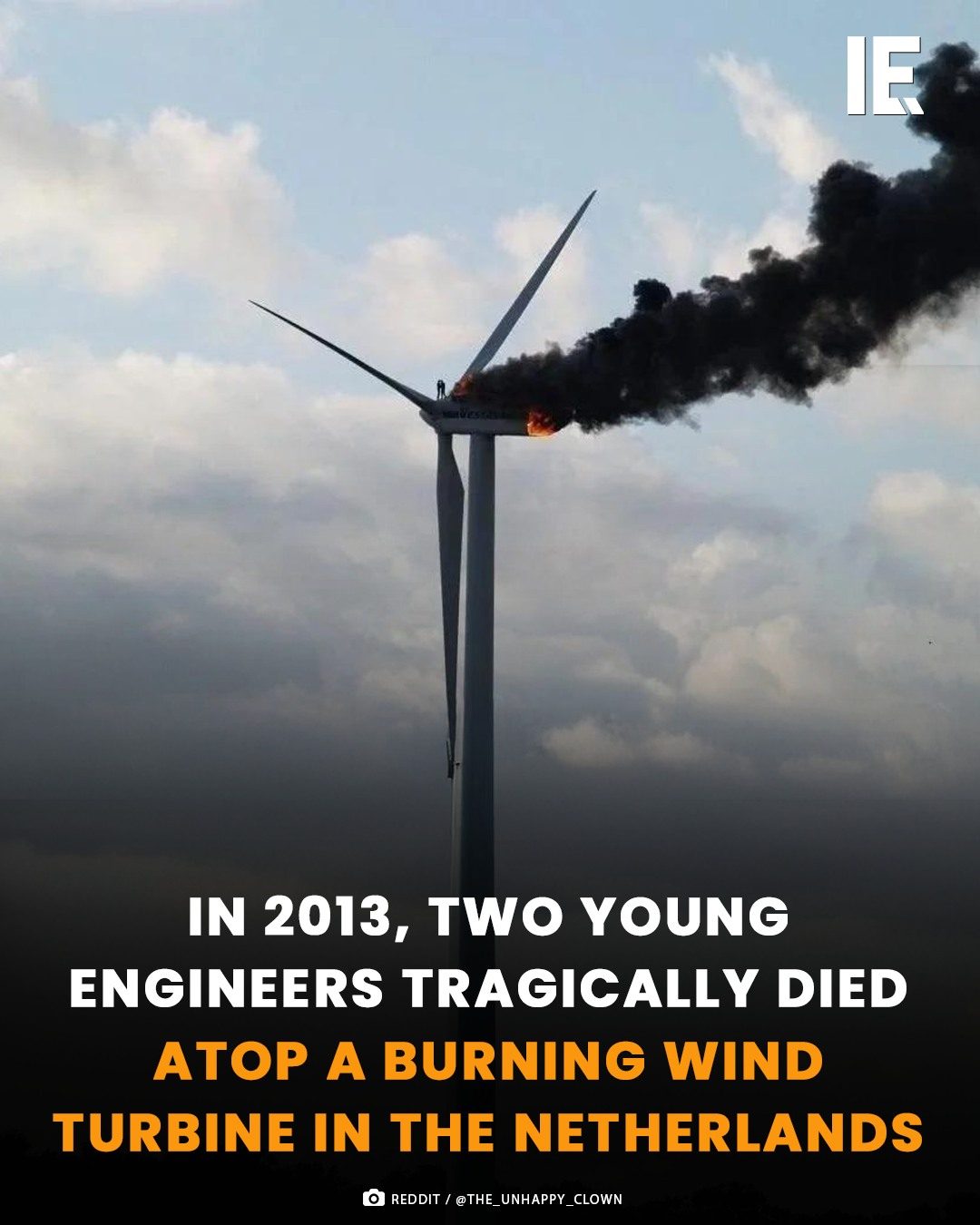
Wind Turbine Accident at Piet de Wit Wind Farm
On October 29, 2013, a devastating fire broke out in a wind turbine at the Piet de Wit wind farm in Ooltgensplaat, Netherlands. The incident trapped four maintenance workers, two of whom, aged 19 and 21, tragically lost their lives. This event highlighted the urgent need for enhanced safety protocols in the wind energy sector.
The fire at the Piet de Wit wind farm in Ooltgensplaat, Netherlands, was a stark reminder of the inherent risks in the wind energy sector. The incident involved four maintenance workers and resulted in the tragic loss of two young engineers. This event underscored the critical need for enhanced safety measures to prevent such disasters in the future. The wind turbine was engulfed in flames, trapping the engineers and making it impossible for them to escape.
Context: Wind Turbine Safety
Wind turbines, while a vital source of renewable energy, are not without their risks. The Piet de Wit wind farm incident highlighted several critical safety issues that need to be addressed. The incident occurred during routine maintenance, which suggests that even the most routine tasks can turn deadly without proper safety measures.
The Nature of Wind Turbine Maintenance
Maintenance in wind turbines often involves working at great heights and dealing with complex machinery. This requires meticulous safety protocols to ensure the safety of workers. Regular inspections, emergency preparedness, and proper training are essential for preventing such incidents.
Risks Associated with Wind Turbines
There are several inherent risks associated with wind turbine maintenance, including:
- Falls from Heights: Wind turbines are tall structures, and the risk of falling from heights is high.
- Electrical Hazards: The turbines have complex electrical systems, and any malfunction can lead to severe injuries or fatalities.
- Fire Hazards: Electrical fires, like the one that occurred in the Piet de Wit wind farm, pose a significant risk.
- Mechanical Failures: The wind turbines operate under extreme weather conditions, increasing the risk of mechanical failures.
Historical Context
The incident at the Piet de Wit wind farm in 2013 was not an isolated event. Throughout history, the wind energy sector has seen several fatal incidents. For example, in 2007, a wind turbine collapsed in Germany, killing a worker. These incidents have led to increased scrutiny and calls for improved safety standards.
Each of these incidents has led to a deeper understanding of the risks and the need for comprehensive safety measures. The wind energy sector has responded by implementing stricter safety protocols and investing in better training programs for workers.
Why This Matters
The tragic incident at the Piet de Wit wind farm serves as a poignant reminder of the critical need for enhanced safety measures in the wind energy sector. This sector is crucial for achieving a sustainable future, and ensuring the safety of those who work in it is paramount. Here's why this matters:
- Worker Safety: The safety of workers is a top priority. Preventing incidents that can lead to fatalities or serious injuries is essential for maintaining a healthy and productive workforce.
- Sustainability: The wind energy sector is a vital part of the global push towards sustainable energy. Ensuring the safety of workers in this sector is critical for its long-term success.
- Public Trust: Incidents like these can erode public trust in renewable energy sources. Ensuring the safety of workers and the public is essential for maintaining trust and support.
- Economic Impact: The wind energy sector is a significant contributor to the economy. Ensuring the safety of workers and preventing such incidents is essential for the sector's economic health.
- Regulatory Compliance: Adhering to safety regulations is crucial for avoiding legal and financial repercussions. Ensuring the safety of workers and the public is essential for maintaining regulatory compliance.
Enhanced Safety Measures
Following the 2013 incident, the wind energy sector has taken several steps to enhance safety measures. These measures are designed to prevent such incidents from happening again. Some of the key measures include:
Improved Training Programs
Training programs for workers have been enhanced to include more comprehensive safety protocols. This involves regular training sessions, simulations, and drills to prepare workers for emergency situations.
Regular Inspections
Regular inspections of wind turbines are crucial for identifying potential risks and addressing them before they become serious. These inspections are conducted by trained professionals and include a thorough check of all components of the turbine.
Emergency Preparedness
Emergency preparedness is essential for responding to incidents quickly and effectively. This involves having a well-trained team, equipment, and protocols in place. Emergency response teams are trained to handle a variety of situations, including fires, electrical hazards, and mechanical failures.
Technological Advances
Technological advances have made wind turbines safer. For example, the use of drones for inspections reduces the need for workers to climb the turbines. This minimizes the risk of falls and other hazards. Additionally, advanced sensors and monitoring systems can detect potential issues before they become serious, allowing for timely intervention.
Practical Tips for Wind Turbine Safety
For those involved in the wind energy sector, here are some practical tips for enhancing safety:
For Workers
- Always Wear Protective Gear: Always wear the necessary protective gear, including helmets, harnesses, and safety glasses.
- Follow Safety Protocols: Follow all safety protocols and procedures during maintenance and inspections.
- Report Any Issues: Report any issues or concerns to the supervisor immediately.
- Participate in Training: Participate in regular training and drills to stay prepared for emergencies.
- Stay Alert: Stay alert and vigilant at all times, especially when working at heights or with complex machinery.
For Employers
- Regular Training: Ensure that all workers receive regular training and are certified for the tasks they perform.
- Safety Audits: Conduct regular safety audits and inspections to identify and address potential hazards.
- Invest in Technology: Invest in advanced technology for inspections and monitoring to reduce the need for manual intervention.
- Emergency Preparedness: Develop and maintain a comprehensive emergency preparedness plan.
- Encourage a Culture of Safety: Encourage a culture of safety where workers feel comfortable reporting issues and concerns.
- Maintain Equipment: Regularly maintain and inspect all equipment to ensure it is in good working condition.
Important Takeaways
The 2013 incident at the Piet de Wit wind farm serves as a stark reminder of the inherent risks in the wind energy sector. Here are the key takeaways:
- Safety is Paramount: The safety of workers and the public is paramount. Enhanced safety measures are essential for preventing such incidents.
- Training and Preparedness: Regular training and emergency preparedness are crucial for responding to incidents effectively.
- Technological Advances: Technological advances play a significant role in enhancing safety in the wind energy sector.
- Regulatory Compliance: Adhering to safety regulations is crucial for avoiding legal and financial repercussions.
- Continuous Improvement: The wind energy sector must continuously improve safety measures to prevent such incidents in the future.
Conclusion
The tragic incident at the Piet de Wit wind farm in 2013 underscored the critical need for enhanced safety measures in the wind energy sector. The sector has since taken significant steps to improve safety protocols, training, and emergency preparedness. By prioritizing safety, the wind energy sector can continue to grow and contribute to a sustainable future while ensuring the well-being of its workers.
Watch the Reel
Questions readers ask
What caused the deadly wind turbine fire in the Netherlands?
The exact cause of the fire at the Piet de Wit wind farm in Ooltgensplaat has not been officially disclosed. However, wind turbine fires can be due to various factors, including electrical malfunctions, mechanical failures, or issues with the turbine's design.
What safety measures can be implemented to prevent wind turbine fires?
Preventing wind turbine fires involves regular inspections, proper maintenance, and adherence to safety protocols. Implementing advanced fire detection and suppression systems, as well as providing comprehensive training for workers on fire safety and emergency response can also significantly improve safety.
What are the primary risks faced by wind turbine maintenance workers?
Workers in the wind energy sector face several risks, including falls from heights, exposure to electrical hazards, and potential fire incidents. Regular training and strict adherence to safety protocols are essential to mitigate these dangers.
How can falls from wind turbines be prevented?
To prevent falls, wind turbine operators should enforce the use of personal protective equipment (PPE) and harnesses, ensure proper training for workers and maintain the structural integrity and cleanliness of the turbine.
What actions can be taken during a wind turbine fire to ensure safety?
In the event of a wind turbine fire, immediate evacuation of the turbine is crucial. Workers should be trained to use emergency escape systems and follow established emergency response protocols. Fire suppression systems should be activated if safe to do so.
Recent articles
Fresh deep dives from the latest Reels we unpacked.




Comments
Be the first to comment.