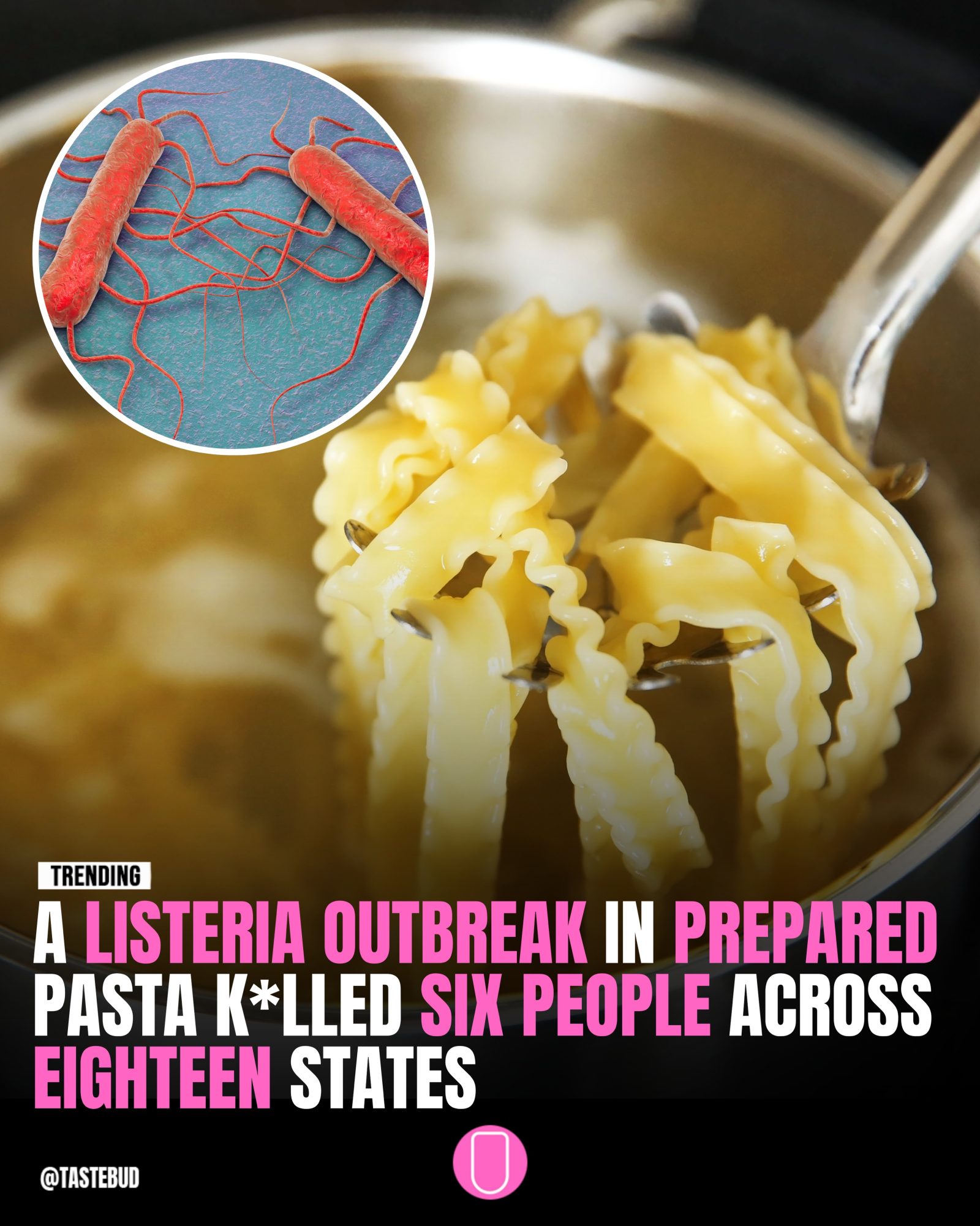
Listeria Outbreak Linked to Prepared Pasta Products
A listeria outbreak linked to prepared pasta products has claimed six lives and sickened more than two dozen people across eighteen states. Federal health officials have traced the outbreak to ready-to-eat pasta, a category of food that skips the cooking process, which typically kills harmful bacteria. The convenience of these products makes them riskier when contamination occurs.
Why This Matters
Ready-to-eat foods, including prepared pasta, have become increasingly popular due to their convenience. However, this convenience comes with potential risks, as these products often bypass the cooking step that would normally eliminate harmful bacteria like listeria. Understanding the risks associated with these products is crucial for consumers to make informed decisions about their food choices.
What is Listeria and How Does It Affect Health?
Listeria is a type of bacteria that can cause serious illness, especially in vulnerable populations such as the elderly, pregnant women, newborns, and individuals with weakened immune systems. Symptoms of listeriosis, the infection caused by listeria, can range from mild to severe and may include fever, muscle aches, and gastrointestinal symptoms like nausea and diarrhea. In severe cases, listeriosis can lead to meningitis, septicemia, and even death.
The Outbreak: Key Details
The outbreak, which has been linked to prepared pasta products, has resulted in six fatalities and more than two dozen illnesses across eighteen states. Federal health officials have identified the ready-to-eat pasta as the source of the contamination. These products are particularly risky because they are consumed without further cooking, which means any harmful bacteria present are not killed during preparation.
Understanding the Risks of Ready-to-Eat Foods
Ready-to-eat foods, including prepared pasta, offer a convenient option for busy consumers. However, this convenience comes with potential risks. Unlike foods that require cooking, ready-to-eat products do not undergo the heating process that can kill harmful bacteria. This means that any contamination that occurs during production or handling can result in serious health risks for consumers.
Contamination Risks
Contamination can occur at any stage of the production process, from growing and harvesting ingredients to processing and packaging. Factors that contribute to the risk of contamination include improper handling, inadequate sanitation, and cross-contamination. These risks are particularly concerning in ready-to-eat foods, as they are not subjected to further cooking, which would normally eliminate any harmful bacteria.
Vulnerable Populations
Certain populations are more vulnerable to listeria infections. This includes the elderly, pregnant women, newborns, and individuals with compromised immune systems. These groups are at higher risk of developing severe symptoms and complications from listeriosis, making it essential for them to be particularly cautious when consuming ready-to-eat foods.
Consumer Awareness
Awareness of the risks associated with ready-to-eat foods is crucial for consumers to make informed decisions about their food choices. This includes being aware of the potential for contamination and taking precautions to minimize the risk of infection. Consumers should also stay informed about any recalls or outbreaks related to ready-to-eat foods and take appropriate action if they have consumed a potentially contaminated product.
Practical Tips for Safe Consumption
To minimize the risk of listeria infection, consumers can follow several practical tips:
Choose Trusted Brands
Opt for well-established brands with a reputation for food safety and quality. These brands are more likely to have stringent safety protocols in place to prevent contamination.
Check for Recalls
Stay informed about any recalls or outbreaks related to ready-to-eat foods. The USDA and FDA regularly issue recalls for contaminated products, and consumers should check these listings to ensure they are not consuming potentially harmful foods.
Store Properly
Proper storage is essential for preventing the growth of harmful bacteria. Keep ready-to-eat foods refrigerated at temperatures below 40°F (4°C) to inhibit bacterial growth. Follow the storage instructions provided on the packaging to ensure optimal freshness and safety.
Wash Hands and Surfaces
Wash hands and surfaces thoroughly before and after handling food. This helps to prevent cross-contamination and the spread of harmful bacteria.
Cook Thoroughly
If possible, cook ready-to-eat foods to a safe internal temperature. This kills any harmful bacteria that may be present, reducing the risk of infection.
Important Takeaways
The recent listeria outbreak linked to prepared pasta products serves as a reminder of the risks associated with ready-to-eat foods. Consumers should be aware of the potential for contamination and take precautions to minimize their risk of infection. By choosing trusted brands, staying informed about recalls, and following proper storage and handling practices, consumers can enjoy the convenience of ready-to-eat foods while reducing their risk of foodborne illness.
Risk Factors
Understanding the risk factors associated with listeria infection is crucial for consumers to make informed decisions about their food choices. This includes being aware of the potential for contamination and taking precautions to minimize the risk of infection.
Vulnerable Groups
Certain populations are more vulnerable to listeria infections, including the elderly, pregnant women, newborns, and individuals with compromised immune systems. These groups should take extra precautions when consuming ready-to-eat foods and be particularly vigilant about food safety.
Consumer Awareness
Awareness of the risks associated with ready-to-eat foods is essential for consumers to make informed decisions about their food choices. By staying informed about recalls, choosing trusted brands, and following proper storage and handling practices, consumers can minimize their risk of foodborne illness.
Conclusion
The listeria outbreak linked to prepared pasta products highlights the potential risks associated with ready-to-eat foods. While these products offer convenience, consumers should be aware of the potential for contamination and take precautions to minimize their risk of infection. By following practical tips and staying informed about recalls and outbreaks, consumers can enjoy the convenience of ready-to-eat foods while reducing their risk of foodborne illness.
Watch the Reel
Questions readers ask
What are the symptoms of listeria infection?
Listeria infection symptoms can range from mild to severe and may include fever, muscle aches, and gastrointestinal issues like nausea and diarrhea. In severe cases, it can lead to headaches, stiff neck, confusion, loss of balance, and even convulsions.
Why are ready-to-eat pasta products risky?
Ready-to-eat pasta products are risky because they bypass the cooking step that typically kills harmful bacteria. This means any contamination present during manufacturing can survive and potentially cause illness when consumed.
How can I protect myself from listeria in prepared foods?
To protect yourself, avoid eating prepared pasta and other ready-to-eat foods that have been recalled. Ensure proper food handling and storage, and cook foods thoroughly if possible. Always follow manufacturer instructions and check for recent food recall notifications.
What should I do if I suspect I have listeria?
If you suspect you have listeria, seek medical attention immediately. Listeria can be particularly dangerous for pregnant women, the elderly, and those with weakened immune systems. Prompt medical care can help manage symptoms and prevent severe complications.
How is the current listeria outbreak being addressed?
Federal health officials are investigating the outbreak and have issued recalls for the affected pasta products. Consumers are advised to discard any recalled products and avoid consuming them. The outbreak highlights the importance of vigilance in food safety and the need for proper handling of ready-to-eat foods.
Can listeria be found in other ready-to-eat foods besides pasta?
Yes, listeria can be found in a variety of ready-to-eat foods, including deli meats, soft cheeses, and pre-packaged salads. Consumers should be cautious with any food that has not been cooked or heated to a safe temperature before consumption.
Are there specific groups more at risk for listeria infection?
Certain groups are more susceptible to listeria infection, including pregnant women, newborns, the elderly, and those with compromised immune systems. These individuals should take extra precautions to avoid foods that may be contaminated with listeria.
Related deep dives
Similar reads based on topic and creator.



Recent articles
Fresh deep dives from the latest Reels we unpacked.




Comments
Be the first to comment.