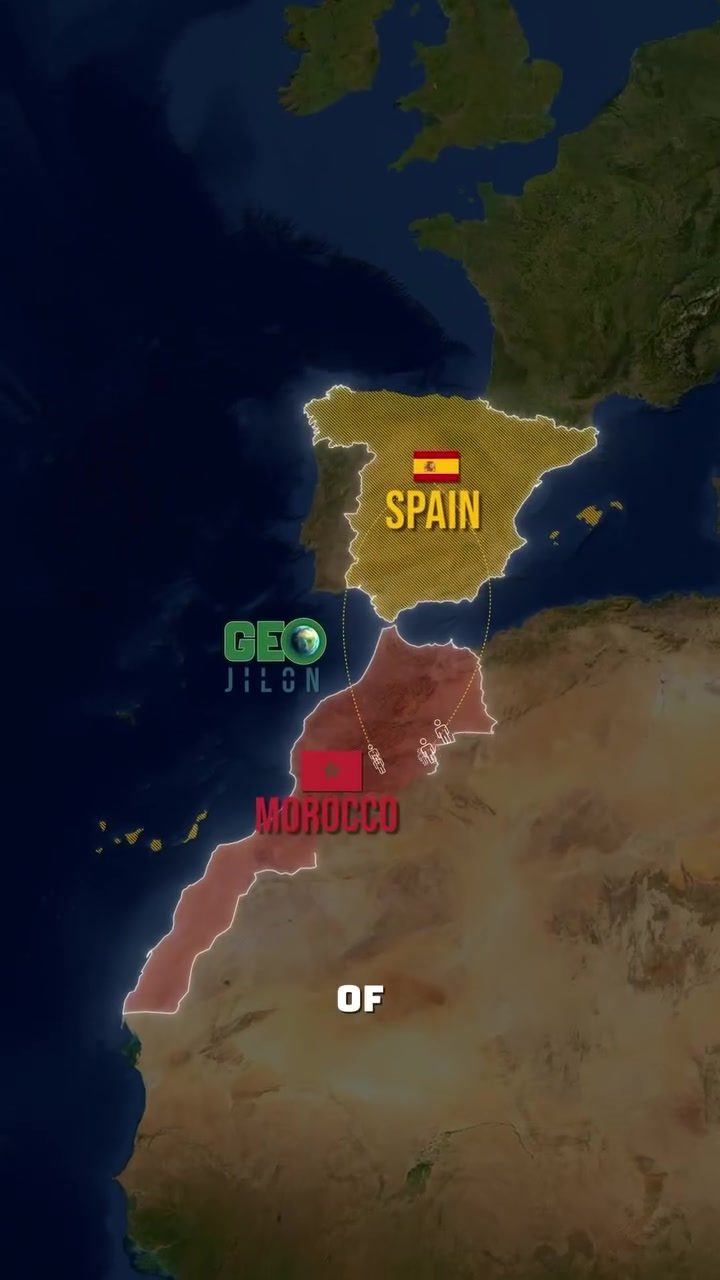
The Geopolitical Context of Ceuta's Border Crisis
Ceuta, a small Spanish enclave in North Africa, became the epicenter of a massive border crisis in May 2022, with tens of thousands of migrants attempting to cross into Spanish territory. The crisis highlighted the complex geopolitical dynamics between Spain, Morocco, and the broader European Union. The sudden influx of migrants was driven by a mix of economic desperation, political instability, and a critical breakdown in border control.
Why This Crisis Matters
Ceuta and its sister enclave, Melilla, are unique geopolitical entities. Both are Spanish territories surrounded by Morocco, making them the European Union's only land borders with Africa. This proximity makes them crucial points for migration, both legal and illegal, into Europe. The border crisis in Ceuta shed light on the fragility of these borders and the humanitarian challenges that arise from mass migration attempts.
The Humanitarian Disaster
The crisis unfolded in Fnideq, a Moroccan city directly adjacent to Ceuta. According to reports, around 50,000 people attempted to cross into Ceuta by land and sea, with the number potentially being even higher. The sheer scale of this movement was overwhelming for the border control systems in place. Thousands moved toward the border fence, while others attempted to reach Ceuta by swimming along the coast. What began as a desperate attempt to cross the border quickly turned into a humanitarian disaster.
Spanish authorities reported that 57 bodies were recovered on the Spanish side, with individuals drowning or dying while trying to climb the breakwater. The crossing became deadly as Moroccan security forces used tear gas, batons, and water cannons to push crowds away from the border. Spanish military vehicles and security forces were deployed, but the situation remained chaotic.
The Reversal and Political Tensions
By Friday of that week, approximately 48,300 people had voluntarily returned to Morocco. This reversal highlighted the fluid nature of the crisis and the importance of coordinated efforts between Spain and Morocco. However, the sudden surge of migrants triggered political tensions across Europe. Italy, for example, announced temporary border measures involving travel with Spain, a move that was criticized by Madrid. Spain's government blamed the crisis on a breakdown in border control and accelerated the return of those who had entered illegally.
Geopolitical Implications
The crisis in Ceuta underscored the broader geopolitical tensions between Spain and Morocco. Ceuta and Melilla's status as Spanish territories surrounded by Morocco means they are pivotal points for migration and geopolitical strategy. The crisis highlighted the need for more robust border control measures and stronger diplomatic ties between Spain and Morocco.
Moreover, the crisis had implications for the European Union as a whole. As the EU's only land borders with Africa, Ceuta and Melilla serve as critical entry points for migrants seeking to reach Europe. The sudden surge in migration attempts put pressure on EU policies and highlighted the need for a more unified approach to border management and humanitarian aid.
Practical Tips for Understanding the Crisis
For those looking to understand the complexities of the Ceuta crisis, consider the following:
- Geopolitical Context: Understand the unique status of Ceuta and Melilla as Spanish territories surrounded by Morocco. This geopolitical context is crucial for comprehending the broader significance of the crisis.
- Humanitarian Aspects: Recognize the profound human cost of border crossings, which can turn deadly in the absence of coordinated efforts and adequate border control measures.
- Diplomatic Relations: Understand the role of diplomatic relations between Spain, Morocco, and the broader EU. Effective crisis management often depends on strong diplomatic ties and coordinated efforts. Look at the broader EU policies on migration to understand the challenges and opportunities.
- Future Risks: Consider the possibility of similar crises occurring in the future. Understanding the factors that led to this crisis can help in developing preventive measures.
Important Takeaways
The Ceuta border crisis was a multifaceted event with significant humanitarian, political, and geopolitical implications. It highlighted the need for improved border control measures, stronger diplomatic ties, and a more unified approach to migration management within the EU. The crisis also underscored the critical role of Ceuta and Melilla in the broader geopolitical landscape of Europe and Africa, serving as a reminder of the complex challenges that come with managing cross-border movements.
Conclusion
Ceuta, a small but strategically significant Spanish enclave, became a focal point for a massive border crisis in May 2022. The crisis, involving tens of thousands of migrants, revealed the vulnerabilities of border control systems and the profound humanitarian challenges that can arise. The geopolitical implications of the crisis are far-reaching, affecting diplomatic relations between Spain and Morocco, as well as the broader policies of the European Union. Understanding the complexities of this crisis is essential for developing more effective and humane strategies for managing future migration challenges.
Watch the Reel
Questions readers ask
What triggered the 2022 border crisis in Ceuta?
The 2022 border crisis in Ceuta was triggered by a sudden surge of tens of thousands of migrants attempting to cross from Morocco into the Spanish enclave. This influx was driven by a combination of economic hardship, political unrest in the region, and a temporary breakdown in border control measures.
What is the significance of Ceuta's geographical location?
Ceuta's geographical location is significant because it is one of the only two Spanish territories, along with Melilla, that share a land border with Africa. This makes Ceuta a key entry point for migrants seeking to reach Europe, contributing to its strategic importance in migration dynamics.
How did the Ceuta border crisis impact relations between Spain and Morocco?
The crisis exacerbated existing geopolitical tensions between Spain and Morocco. The sudden influx of migrants put a strain on border management and highlighted the complex relationship between the two countries, with both sides having divergent interests and responsibilities in managing migration flows.
What were the humanitarian concerns raised by the Ceuta border crisis?
The Ceuta border crisis raised serious humanitarian concerns, including the risk of migrant deaths during border crossings, overcrowding in detention centers, and the vulnerability of migrants to exploitation and abuse. The crisis underscored the need for better management of migration flows and improved conditions for migrants.
What role does the European Union play in the Ceuta border crisis?
The European Union is deeply involved due to Ceuta's status as a Spanish territory and a de facto EU border with Africa. The crisis put pressure on the EU to address migration policies, support Spain in managing the influx, and coordinate with Morocco to stabilize the situation. The EU's response is crucial for stabilizing the region and preventing future crises.
What measures were taken to address the Ceuta border crisis?
In response to the crisis, Spain and the EU implemented a range of measures, including reinforcing border security, increasing patrols, and offering aid and support to Morocco. However, the crisis underscored the need for a more comprehensive and sustainable approach to managing migration, including addressing root causes and improving conditions for migrants in transit.
How has the crisis in Ceuta impacted migration policies in Spain and the EU?
The crisis in Ceuta has prompted a review of migration policies in Spain and the EU. There is an increased focus on strengthening border control, enhancing cooperation with countries of origin and transit, and improving the efficiency of asylum processes. The goal is to create a more effective and humane approach to managing migration flows in the region.
Recent articles
Fresh deep dives from the latest Reels we unpacked.




Comments
Be the first to comment.