Dead Hang Exercise: Benefits for Shoulders, Posture, and More
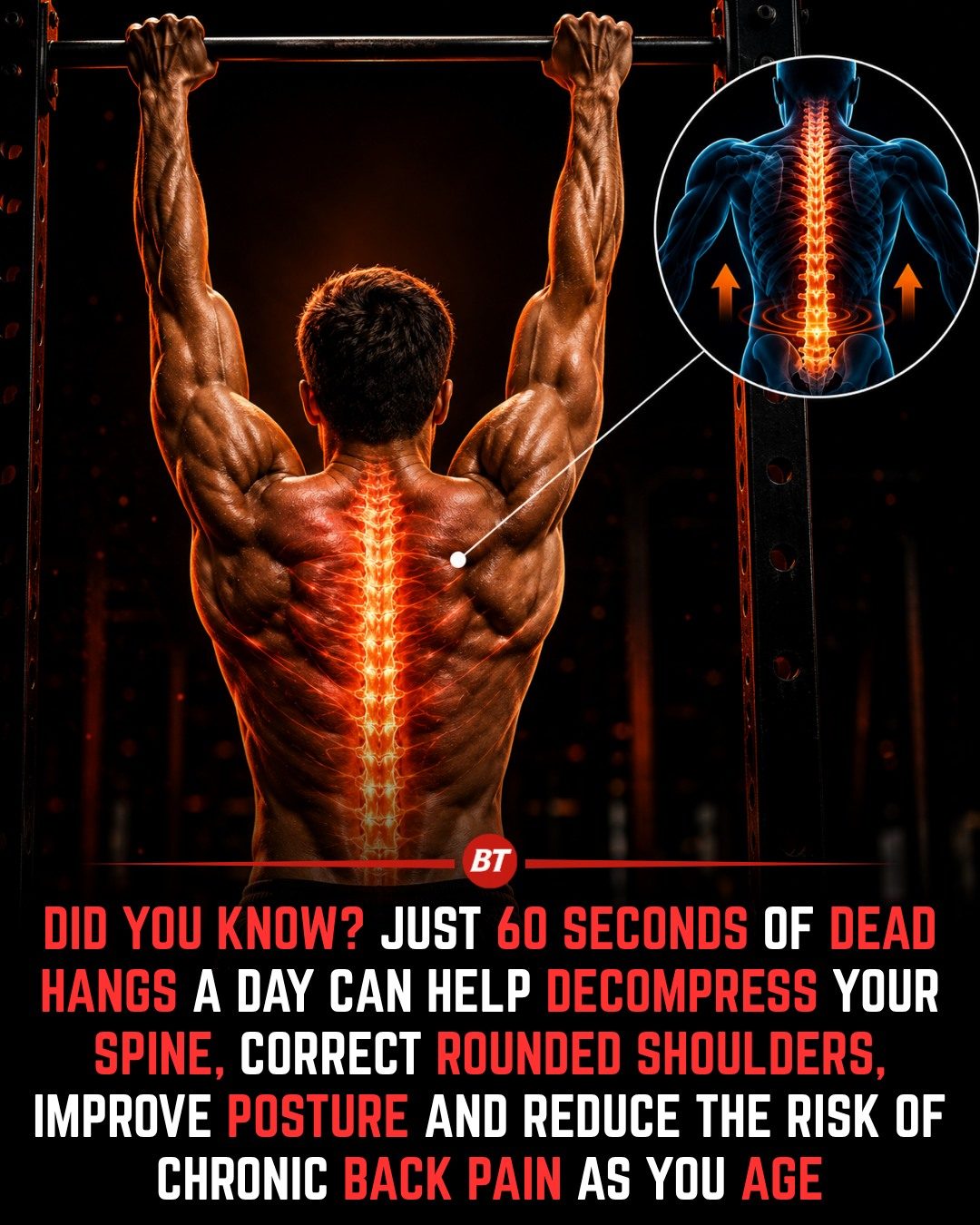
Dead hang exercises are a simple yet powerful way to enhance your physical well-being. This exercise involves hanging from a bar with an overhand grip, allowing your body to gently stretch under its own weight. The benefits of dead hangs go beyond just building strength; they can improve shoulder mobility, correct posture, and even provide relief from chronic back pain.
Why This Matters
In today's sedentary lifestyle, many people spend hours sitting at desks or in front of screens. This prolonged sitting can lead to poor posture, rounded shoulders, and a host of other issues. Dead hangs offer a straightforward solution to counter these effects. By engaging in this exercise for just 60 seconds a day, individuals can decompress their spine, improve posture, and reduce the risk of chronic back pain.
Spinal Decompression and Posture Correction
Dead hangs are often praised for their ability to decompress the spine. While the long-term effects of spinal decompression from this exercise are still a topic of debate, physical therapists frequently recommend hanging exercises to alleviate feelings of spinal compression after prolonged sitting. The gentle traction created during a dead hang can help stretch the lats and chest muscles, which are often tight in people with poor posture. This stretching can lead to a more rounded and healthier spine, reducing the risk of developing chronic neck and back discomfort over time.
Improving Shoulder Mobility and Strength
Improving shoulder mobility and upper-body strength is another key benefit of dead hangs. Research has shown that this exercise can help correct rounded shoulders and promote better posture. The dead hang challenges your shoulders, forearms, and upper back, building strength in these areas. This increased strength can reduce the risk of developing rounded shoulders and improve overall posture.
Benefits for Shoulder Inuries and Mobility
Dead hangs can be particularly beneficial for individuals with shoulder injuries or those looking to improve shoulder mobility. The exercise gently stretches the shoulders and upper body, providing a mild traction effect that can relieve stiffness after long periods of sitting or desk work. This makes dead hangs an excellent addition to any recovery or mobility regimen.
Building Grip Strength
Grip strength is an important marker of overall health and has been linked to healthy aging and lower risks of disability. Dead hangs are an effective way to build grip strength, as they challenge your hands, forearms, and fingers. By incorporating dead hangs into your routine, you can improve your grip strength and potentially reduce the risk of age-related disabilities.
Practical Tips for Performing Dead Hangs
To start incorporating dead hangs into your daily routine, follow these practical tips:
Getting Started
-
Find the Right Bar: Use a sturdy pull-up bar or any secure overhead bar that can support your body weight. Ensure it is at a comfortable height for you to grip and hang from.
-
Grip Position: Use an overhand grip, with your palms facing away from you. Your hands should be about shoulder-width apart. Avoid using a narrow grip, as it can strain your wrists.
-
Body Alignment: Keep your shoulders relaxed and your core lightly engaged. Avoid swinging or using momentum to lift your body.
Progressing to Longer Hangs
-
Start Slow: Begin with 20–30 seconds of hanging, focusing on proper form and grip. Gradually increase the duration as your strength and endurance improve.
-
Gradual Increase: Aim to build up to 60 seconds total each day, either in one hang or several shorter sets. If you find 60 seconds challenging, break it down into multiple sets of 10-15 seconds with short rest periods in between.
-
Listen to Your Body: If you have a shoulder injury or other medical condition, consult your healthcare provider before starting. It's essential to listen to your body and avoid pushing through pain.
Important Takeaways
Dead hangs are a versatile and effective exercise that can significantly improve your physical well-being. Here are the key takeaways:
- Dead hangs can decompress the spine, correct rounded shoulders, and improve posture, reducing the risk of chronic back pain.
- This exercise builds grip strength, an important marker of overall health and healthy aging.
- Dead hangs improve shoulder mobility and upper-body strength, which can help correct poor posture and alleviate stiffness.
- Incorporate dead hangs gradually, starting with 20-30 seconds and building up to 60 seconds over time.
Conclusion
Incorporating dead hangs into your routine can provide numerous benefits, from improved posture and shoulder mobility to enhanced grip strength. This simple yet powerful exercise is an excellent addition to any fitness regimen, offering a wide range of advantages. By dedicating just 60 seconds a day to this exercise, you can significantly improve your physical well-being and reduce the risk of chronic discomfort.
Watch the Reel
Questions readers ask
How do dead hangs help improve posture?
Dead hangs help improve posture by strengthening the muscles in your back and shoulders, which can counteract the effects of prolonged sitting. By hanging from a bar, you engage your upper back and shoulder muscles, promoting a more upright posture over time. This can help reduce rounded shoulders and improve overall spinal alignment.
Can dead hangs really help with shoulder mobility?
Yes, dead hangs can significantly improve shoulder mobility. The exercise allows your shoulder joints to move through a full range of motion, which can help increase flexibility and reduce stiffness. Regular dead hangs can also help correct muscle imbalances that may be affecting your shoulder mobility.
How often should I do dead hangs to see improvements in my posture?
To see improvements in your posture, aim to do dead hangs for at least 60 seconds a day. You can do this in multiple sets if needed. Consistency is key, so try to incorporate dead hangs into your daily routine, such as during breaks from sitting or as part of a morning warm-up.
Are dead hangs beneficial for reducing back pain?
Yes, dead hangs can be beneficial for reducing back pain, especially if the pain is related to poor posture or weak back muscles. By strengthening your back and shoulder muscles and improving spinal alignment, dead hangs can help alleviate discomfort and prevent future issues.
Can beginners do dead hangs, and if so, how?
Beginners can start with dead hangs, but it's important to ease into the exercise. If hanging with straight arms is too challenging, you can use an assisted pull-up machine or have a spotter support some of your body weight. Alternatively, you can bend your knees to reduce the strain on your shoulders and back.
What muscles do dead hangs primarily target?
Dead hangs primarily target the muscles in your back, particularly the latissimus dorsi, as well as the muscles in your shoulders, such as the deltoids and rotator cuff muscles. Additionally, they engage your core muscles, which helps to stabilize your spine and improve overall posture.
How can dead hangs help counteract the effects of a sedentary lifestyle?
Dead hangs can help counteract the effects of a sedentary lifestyle by promoting better posture, strengthening key muscles, and improving mobility. Regular dead hangs can help reverse the muscle imbalances and tightness that often result from prolonged sitting, leading to a more upright and comfortable posture.
Related deep dives
Similar reads based on topic and creator.




Recent articles
Fresh deep dives from the latest Reels we unpacked.




Comments
Be the first to comment.