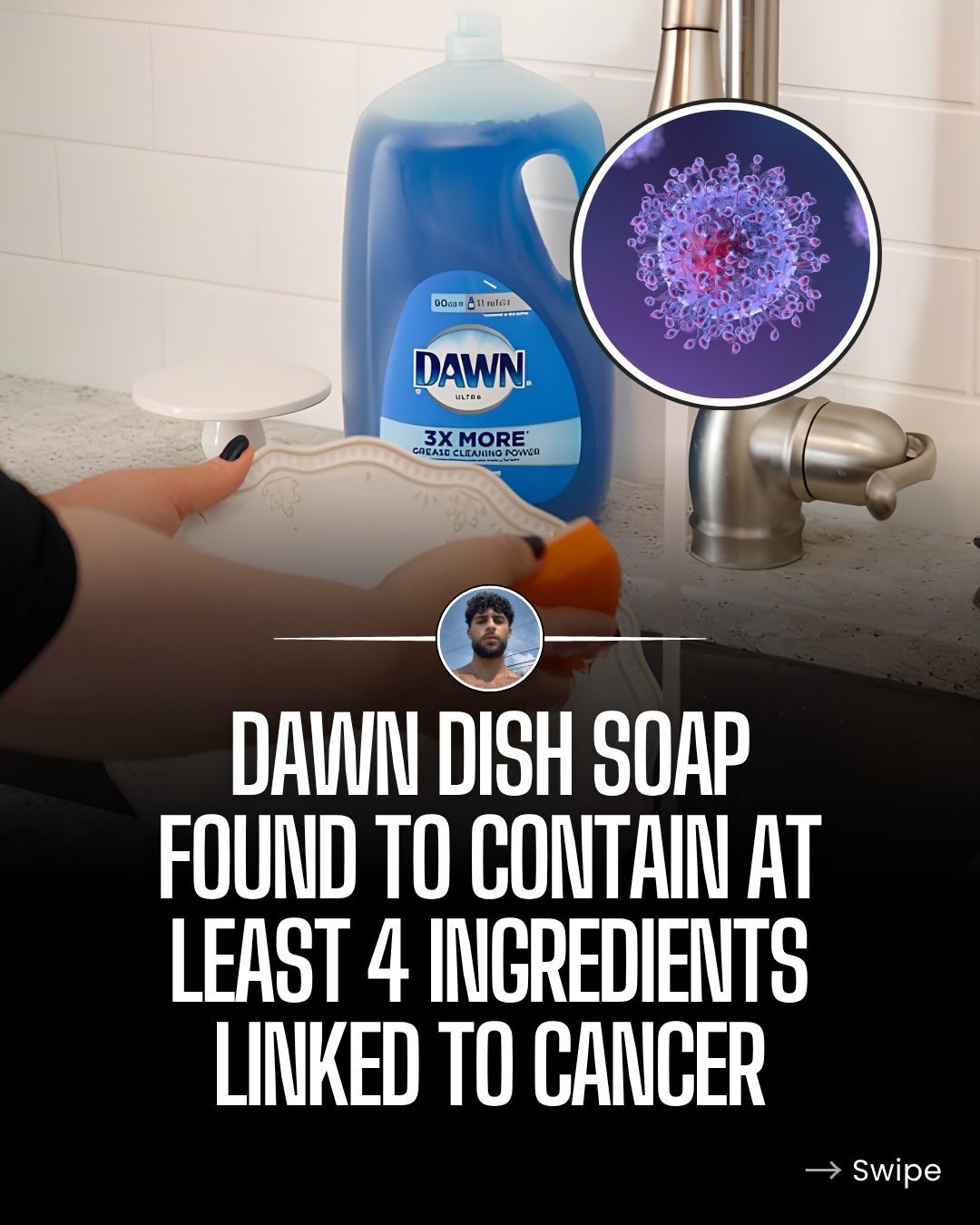
Dawn Dish Soap Ingredients Under Scrutiny
Dawn dish soap, a staple in many households, has come under scrutiny for its ingredients, particularly those linked to cancer and toxicity. Environmental and health groups have raised concerns about specific components in the dish soap, prompting discussions about potential health risks and the safety of everyday household products.
Why This Matters
Dish soap is an essential item in most kitchens, used daily to clean dishes and maintain hygiene. However, the ingredients in popular brands like Dawn are now under intense examination. Understanding the potential risks and benefits of these products is crucial for making informed choices about what we bring into our homes.
Ingredients Under the Microscope
1,4-Dioxane
One of the primary concerns is 1,4-dioxane, a chemical classified as a probable carcinogen. It is often present in products as a byproduct of manufacturing processes involving ethylene oxide. 1,4-dioxane can be absorbed through the skin, inhaled, or ingested, raising concerns about long-term exposure.
Formaldehyde-Releasing Preservatives
Formaldehyde-releasing preservatives are added to many household products to prevent bacterial growth. While formaldehyde itself is a known carcinogen, these preservatives release formaldehyde slowly over time. The cumulative effect of exposure to these preservatives is a topic of ongoing debate among health experts.
Synthetic Fragrances
Synthetic fragrances are used to give dish soap its pleasant scent. However, these fragrances can hide a multitude of chemicals, including allergens and hormone disrupters. The lack of transparency in ingredient labeling makes it difficult for consumers to know exactly what they are being exposed to.
Artificial Dyes
Artificial dyes are added to enhance the visual appeal of dish soap. While they may make the product more attractive, there are concerns about the potential health impacts of these dyes. Some studies suggest that artificial dyes can cause allergic reactions and other adverse health effects.
Procter & Gamble's Response
Procter & Gamble (P&G), the company behind Dawn, insists that its products are safe for consumer use. The company adheres to strict regulatory standards and maintains that the levels of these chemicals in their products are within safe limits. P&G emphasizes the importance of following product instructions to ensure safe use.
Advocates for Reducing Exposure
Despite P&G's assurances, health advocates argue that even low levels of these chemicals can pose long-term risks. They recommend reducing unnecessary exposure as a precautionary measure. This includes using products sparingly, opting for alternatives when possible, and ensuring proper ventilation during use.
Practical Tips
Read Labels Carefully
When choosing a dish soap, carefully read the ingredient list. Look for products that avoid known harmful chemicals and opt for those with transparent labeling.
Consider Natural Alternatives
Explore natural and eco-friendly dish soap options. These products often use plant-based ingredients and essential oils, reducing the risk of exposure to synthetic chemicals.
Practice Safe Usage
Always follow the product instructions. Ensure proper ventilation when using dish soap, and avoid prolonged skin contact. Wash your hands thoroughly after use.
Minimize Contact
Use gloves when washing dishes to minimize direct contact with the skin. This can help reduce the risk of absorbing harmful chemicals.
Important Takeaways
The debate surrounding Dawn dish soap highlights the broader issue of chemical safety in household products. While Procter & Gamble maintains the safety of its products, concerns about long-term exposure to potentially harmful chemicals persist. Consumers are encouraged to stay informed, read labels, and consider safer alternatives.
Conclusion
Dish soap is an essential part of kitchen hygiene, but recent concerns about Dawn's ingredients have raised important questions. By understanding the potential risks and taking practical steps to minimize exposure, consumers can make more informed choices about the products they use. Whether motivated by environmental concerns or personal health, reducing exposure to harmful chemicals is a wise precaution.
Watch the Reel
Questions readers ask
What are the main health concerns related to Dawn Dish Soap ingredients?
The primary health concerns revolve around ingredients like 1,4-dioxane, which is a known carcinogen, and formaldehyde-releasing preservatives, which can cause skin and respiratory issues. Additionally, synthetic fragrances in the soap can trigger allergies and asthma symptoms.
Why is 1,4-dioxane a significant issue in cleaning products?
1,4-dioxane is classified as a probable human carcinogen by the Environmental Protection Agency. It is often found as a contaminant in products containing ingredients like PEG, which are used as solvents in cleaning products like Dawn Dish Soap.
How do formaldehyde-releasing preservatives affect health?
Formaldehyde-releasing preservatives can cause skin irritation and allergic reactions. Prolonged exposure to these preservatives has also been linked to respiratory issues, making them a concern for individuals with asthma or other respiratory conditions.
What are the cancer concerns associated with Dawn Dish Soap?
The presence of 1,4-dioxane and formaldehyde-releasing preservatives in Dawn Dish Soap has raised concerns due to their potential carcinogenic effects. Environmental and health groups have highlighted these ingredients as potential contributors to cancer risk in everyday cleaning products.
What is Procter & Gamble's response to the criticism of Dawn Dish Soap ingredients?
Procter & Gamble has stated that their products, including Dawn Dish Soap, are safe to use as directed. They maintain that the levels of ingredients like 1,4-dioxane and formaldehyde-releasing preservatives are within regulatory limits. However, they continue to face scrutiny from environmental and health groups.
How do synthetic fragrances in dish soap pose a health risk?
Synthetic fragrances can contain hundreds of chemicals, many of which are not listed on product labels. These fragrances can cause allergic reactions, skin irritation, and respiratory problems, particularly in individuals with sensitivities or pre-existing conditions.
What environmental impacts are associated with Dawn Dish Soap ingredients?
Ingredients in Dawn Dish Soap, such as 1,4-dioxane and formaldehyde-releasing preservatives, can have adverse effects on the environment. These chemicals can contaminate waterways and pose risks to aquatic life, contributing to broader ecological concerns.
Recent articles
Fresh deep dives from the latest Reels we unpacked.




Comments
Be the first to comment.