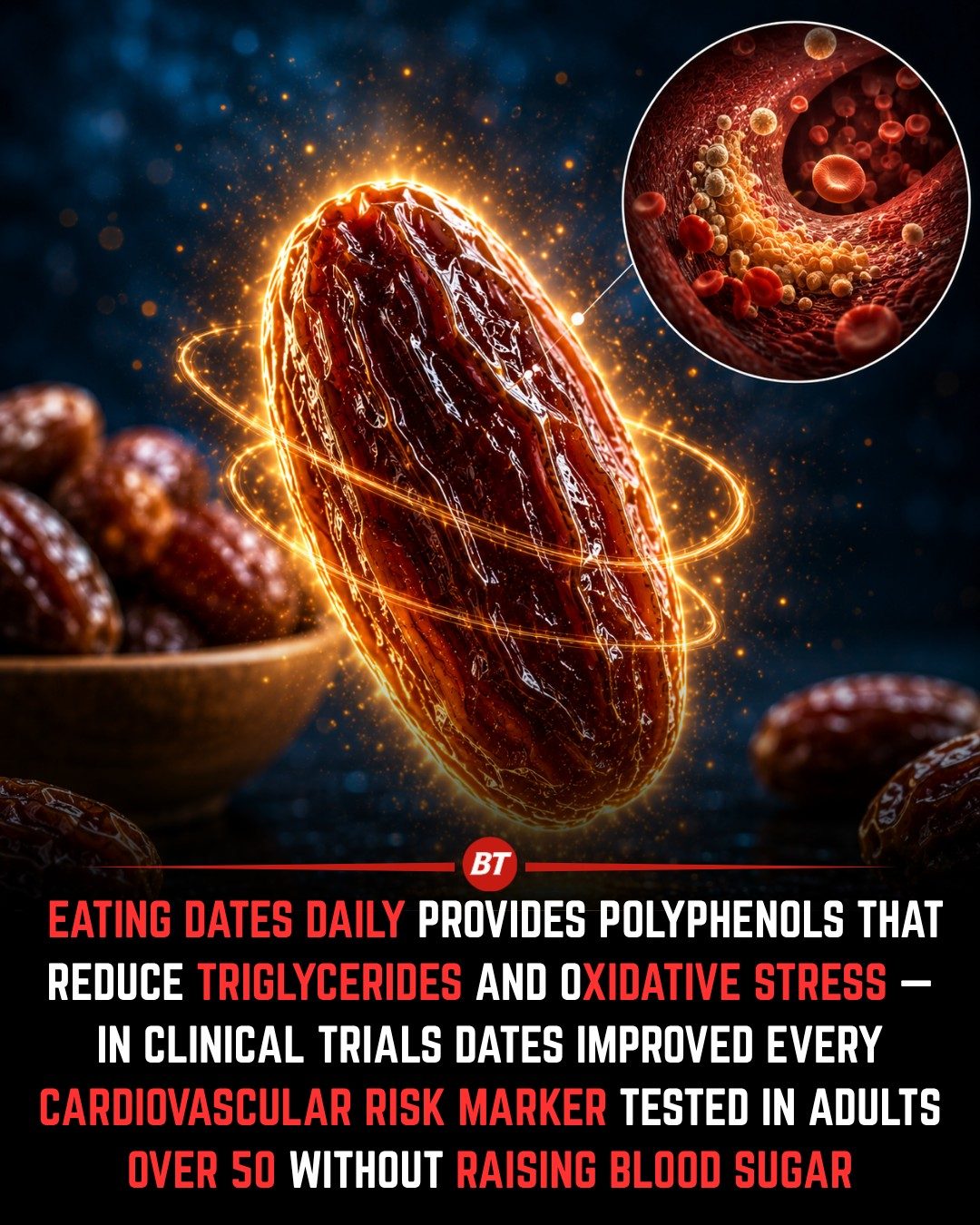
Dates and Cardiovascular Health
Dates, the naturally sweet fruit of the date palm, are more than just a tasty snack. They are packed with polyphenols, which are powerful plant compounds that researchers have been studying for their potential benefits on heart and metabolic health.
Dates are an excellent source of these polyphenols, including flavonoids, phenolic acids, and carotenoids. These compounds play a crucial role in protecting cells from oxidative stress, a process linked to aging and the development of cardiovascular disease. In clinical trials, researchers have observed improvements in several cardiovascular risk markers, including reductions in triglycerides and markers of oxidative stress, after regular date consumption.
Why This Matters
Heart health is a significant concern for many people. Understanding the dietary choices that can support cardiovascular health is essential. Dates, with their unique combination of nutrients, offer a natural way to potentially improve heart health.
Benefits of Dates for Cardiovascular Health
Rich Source of Antioxidants
Dates are among the richest fruits in antioxidant polyphenols. These compounds help protect cells from oxidative stress, a process that can contribute to the development of cardiovascular disease. By incorporating dates into your diet, you can help reduce the risk of these diseases.
Low to Moderate Glycemic Index
Despite their sweetness, dates have a low to moderate glycemic index. This means they are rich in fiber, which helps slow the digestion and absorption of their natural sugars. This is one reason several clinical studies have found that moderate date consumption does not cause large spikes in blood sugar in healthy adults or many people with type 2 diabetes when eaten as part of a balanced diet.
Improvements in Cardiovascular Risk Markers
Dates have been tested in clinical trials and have been shown to improve cardiovascular risk markers in adults over 50 without raising blood sugar. These improvements include reductions in triglycerides and markers of oxidative stress. While the findings are encouraging, scientists continue to study which varieties, serving sizes, and long-term intake provide the greatest benefits.
Mineral Content
Dates are a natural source of potassium, which helps regulate blood pressure, along with magnesium, a mineral involved in normal muscle, nerve, and heart function. Combined with their fiber and antioxidants, dates offer much more than just natural sweetness. These minerals, along with the fiber and antioxidants, can contribute to overall cardiovascular health.
Practical Tips
Incorporating dates into your diet can be both enjoyable and beneficial. Here are a few tips to get you started:
Enjoy as a Snack
Eat 2–3 whole dates as a naturally sweet snack. This can help satisfy your sweet tooth while providing a range of health benefits.
Pair with Nuts
Pair dates with a handful of nuts for extra protein and healthy fats. This combination can make for a balanced and nutritious snack.
Add to Breakfast
Chop dates into oatmeal or yogurt for a fiber-rich breakfast. This can enhance the nutritional value of your morning meal and provide a natural sweetness.
Important Takeaways
Incorporating dates into your diet can offer a range of health benefits, particularly for cardiovascular health. They are a rich source of antioxidants and have a low to moderate glycemic index. They also offer an impressive mineral content, making them a nutritious addition to any diet. While the findings from clinical trials are encouraging, it is important to remember that dates should be part of a balanced diet and not eaten in excess.
Conclusion
Dates are a nutritious and delicious addition to any diet. Their unique combination of antioxidants, fiber, and minerals can support cardiovascular health. By incorporating dates into your diet, you can enjoy their natural sweetness while potentially improving your overall health.
Watch the Reel
Questions readers ask
How do dates contribute to better heart health?
Dates support heart health by reducing inflammation and oxidative stress, which are key factors in the development of cardiovascular disease. The polyphenols in dates, such as flavonoids and phenolic acids, help protect cells and lower triglycerides, contributing to overall cardiovascular well-being.
What specific health benefits do polyphenols in dates offer?
Polyphenols in dates, including flavonoids and phenolic acids, act as powerful antioxidants. They help neutralize harmful free radicals, reduce inflammation, and lower oxidative stress, which can otherwise damage cells and contribute to chronic diseases, including heart disease and diabetes.
In what ways do dates help manage blood sugar levels?
Dates have a balanced sweetness due to their natural sugar content and a significant amount of fiber, which helps slow down the absorption of sugar into the bloodstream. This results in a more gradual and sustained release of glucose, promoting better blood sugar control and aiding those who need to manage their blood sugar levels, like individuals with type 2 diabetes.
How do dates help lower triglyceride levels?
Dates have been shown to reduce triglyceride levels through the action of their polyphenols. These compounds help remove excess fat from the bloodstream and reduce the risk of heart disease.
What makes dates a natural choice for supporting heart health?
Dates are a whole food, providing a range of beneficial compounds, including fiber, vitamins, and minerals, along with polyphenols. They offer a natural and balanced way to support heart health, contributing to a varied and nutritious diet.
Are there any clinical trials supporting the heart health benefits of dates?
Yes, clinical trials have demonstrated that regular consumption of dates can lead to improvements in several cardiovascular risk markers. These include reductions in triglyceride levels and markers of oxidative stress, which are both crucial for maintaining heart health.
Can adults of all ages benefit from consuming dates?
Yes, adults of all ages can benefit from incorporating dates into their diet. The nutrients and antioxidants in dates support overall health, and their natural sweetness makes them a suitable alternative to processed sweets for maintaining a balanced diet and reducing the risk of chronic diseases.
Related deep dives
Similar reads based on topic and creator.




Recent articles
Fresh deep dives from the latest Reels we unpacked.




Comments
Be the first to comment.