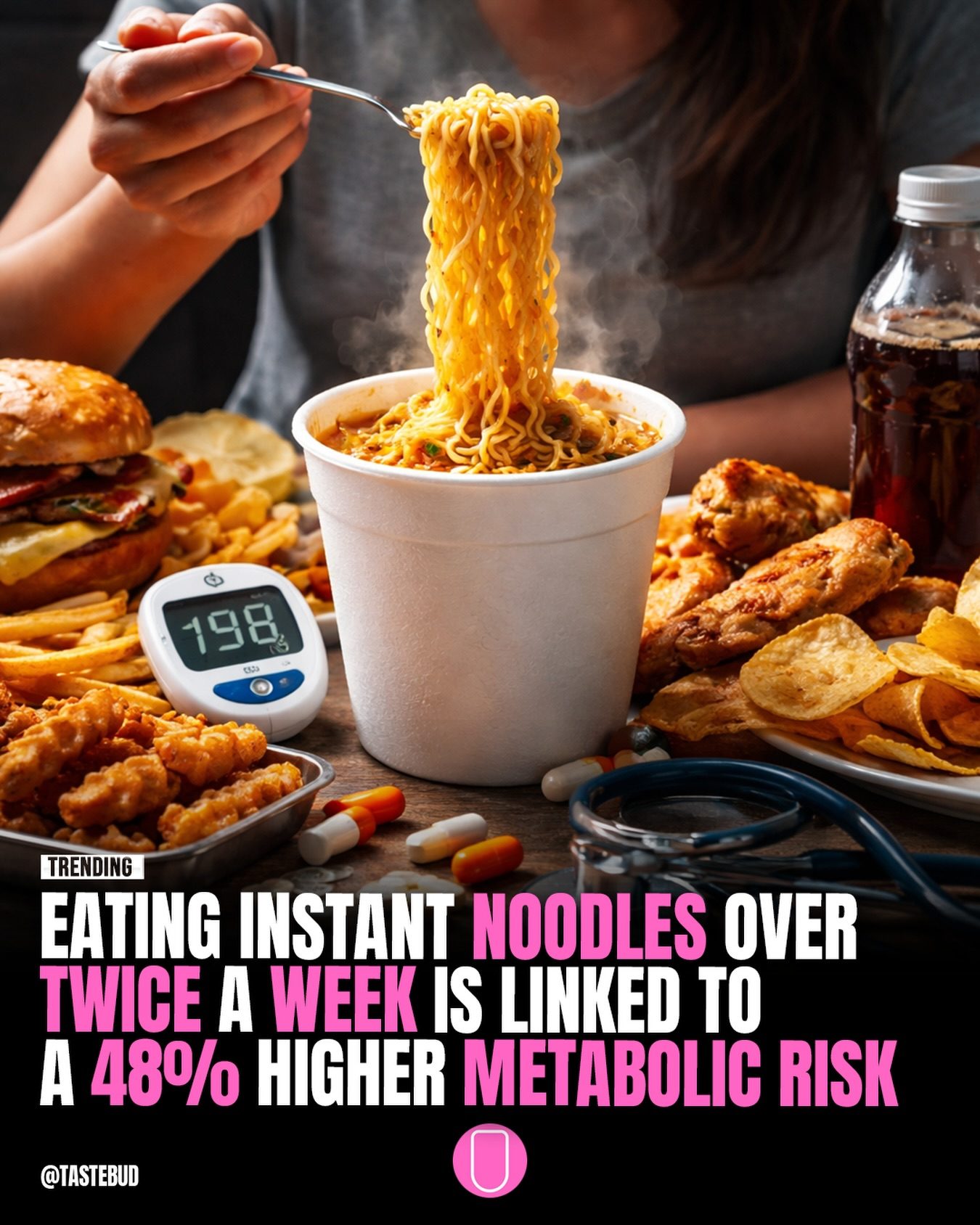
Metabolic Risk and Instant Noodles
Instant noodles are a ubiquitous, convenient choice for a quick meal. However, recent studies have suggested that consuming instant noodles more than twice a week can be linked to an increased risk of metabolic syndrome. This issue encompasses several health concerns, including high blood pressure, elevated blood sugar, and increased abdominal fat. The root cause of these risks are largely tied to the high sodium content and low nutritional value of many instant noodle products.
Why This Matters
Understanding the impact of instant noodles on metabolic health is crucial for those who rely on these quick meals. Metabolic syndrome is a cluster of conditions that increase the risk of heart disease, stroke, and type 2 diabetes. The rise in metabolic syndrome prevalence is alarming, and it's important to identify potential contributing factors in our daily diets.
What is Metabolic Syndrome?
Metabolic syndrome is a cluster of conditions that includes:
- High Blood Pressure: Persistent blood pressure levels above 130/85 mmHg.
- Elevated Blood Sugar: Fasting blood sugar levels above 100 mg/dL.
- Increased Abdominal Fat: A waist circumference of more than 35 inches for women and 40 inches for men.
- Abnormal Cholesterol Levels: High levels of triglycerides or "bad" cholesterol (LDL) and low levels of "good" cholesterol (HDL).
Metabolic syndrome increases the risk of serious health problems, such as heart disease, stroke, and type 2 diabetes.
The Impact of Instant Noodles
Increased consumption of instant noodles is associated with a 48% higher risk of developing metabolic syndrome. This is attributed to several factors:
- High Sodium Content: Instant noodles are notoriously high in sodium. A single serving can contain up to 1,500 mg of sodium, which is more than the recommended daily intake.
- Low Nutritional Value: Instant noodles often lack essential nutrients, vitamins, and minerals. They are typically high in calories but low in fiber, protein, and healthy fats.
- Processed Ingredients: The ingredients in instant noodles, such as preservatives and flavorings, can negatively affect metabolic health.
Main Discussion
How Often is Too Often?
The key finding is that eating instant noodles more than twice a week is associated with a higher risk of metabolic syndrome. This doesn't mean that an occasional indulgence is harmful, but rather that frequent consumption should be monitored carefully. It's important to balance instant noodles with a variety of healthier, more nutrient-dense foods.
Nutritional Breakdown
To better understand the impact, let's look at the typical nutritional content of instant noodles:
- Calories: Typically range from 300 to 600 calories per package.
- Sodium: Often contain 600 to 1,500 mg of sodium.
- Saturated Fat: Contain varying amounts of saturated fat, which can contribute to high cholesterol levels.
- Sugar: While generally low in sugar, some flavored varieties can contain added sugars.
The Role of Saturated Fat
In addition to sodium, the saturated fat content in instant noodles can also contribute to metabolic syndrome. Saturated fats can raise the levels of LDL (bad) cholesterol and lower HDL (good) cholesterol, increasing the risk of heart disease.
The Importance of Diet and Lifestyle
It's crucial to note that the risks associated with instant noodles are part of a larger dietary and lifestyle picture. Overall diet, physical activity, and other lifestyle factors play a significant role in metabolic health. The association between instant noodles and metabolic syndrome is just one piece of the puzzle.
Practical Tips
Healthier Alternatives
If you enjoy instant noodles, consider healthier alternatives:
- Homemade Noodles: Make your own noodles at home using whole grain flour and vegetables. This allows you to control the sodium and fat content.
- Low-Sodium Brands: Look for brands that offer lower-sodium options.
- Balance with Nutrient-Rich Foods: Pair instant noodles with vegetables, lean proteins, and whole grains to create a more balanced meal.
Moderation and Portion Control
Moderation is key when it comes to instant noodles. Here are some tips for portion control:
- Half Portion: Eat only half of the package and save the rest for later.
- Combine with Healthier Foods: Add vegetables, lean proteins, and whole grains to your noodle dish.
- Limit Frequency: Aim to have instant noodles no more than twice a week.
Staying Active
Incorporating physical activity into your routine can help mitigate the risks associated with dietary choices. Aim for at least 30 minutes of moderate physical activity most days of the week.
Important Takeaways
- Eating instant noodles more than twice a week may be linked to a higher risk of metabolic syndrome.
- The risks are believed to be tied to high sodium levels and low nutritional value.
- The impact is part of a larger dietary and lifestyle picture.
- It is essential to balance these foods with a variety of healthier, more nutrient-dense foods.
- Consider healthier alternatives and practice moderation.
Conclusion
Instant noodles are a convenient and widely enjoyed food, but they should be consumed with an understanding of their potential health implications. By being mindful of how often and how much you consume, and balancing them with a healthy diet and lifestyle, you can minimize the risks associated with these convenient meals. Focus on incorporating a variety of nutrient-rich foods and maintaining an active lifestyle to support your overall metabolic health.
Watch the Reel
Questions readers ask
How often can I safely consume instant noodles without increasing my metabolic risks?
To minimize the risk of metabolic syndrome, it's advisable to limit instant noodle consumption to no more than twice a week. Frequent consumption beyond this can lead to elevated blood pressure, increased abdominal fat, and higher blood sugar levels.
What specific health issues are associated with frequent instant noodle consumption?
Regularly eating instant noodles has been linked to an increased risk of metabolic syndrome, which includes conditions like high blood pressure, elevated blood sugar, and excess abdominal fat. These issues can collectively raise the risk of heart disease, stroke, and type 2 diabetes.
Why is the high sodium content in instant noodles a concern?
The high sodium content in instant noodles can lead to increased blood pressure and other metabolic risks. It's important to monitor sodium intake, as excessive consumption can contribute to serious health issues, including heart disease and kidney problems.
What are the nutritional drawbacks of instant noodles?
Instant noodles often lack essential nutrients and are high in sodium. This combination of low nutritional value and high sodium content can contribute to various metabolic health issues, including elevated blood sugar and increased abdominal fat.
What other foods should I consider to replace instant noodles?
Consider replacing instant noodles with healthier alternatives such as whole-grain pasta, brown rice, or quinoa. These options offer more nutritional benefits and are less likely to contribute to metabolic risks.
How does consuming instant noodles more than twice a week affect my health?
Eating instant noodles more than twice a week can increase your chances of developing metabolic syndrome. This is due to the high sodium content and low nutritional value, which can lead to conditions like high blood pressure, elevated blood sugar, and increased abdominal fat.
What can I do to mitigate the metabolic risks if I eat instant noodles?
If you choose to eat instant noodles, limit your intake to no more than twice a week. Additionally, pair them with nutrient-rich sides like vegetables or lean proteins to balance out the meal and reduce the overall metabolic impact.
Related deep dives
Similar reads based on topic and creator.


Recent articles
Fresh deep dives from the latest Reels we unpacked.




Comments
Be the first to comment.