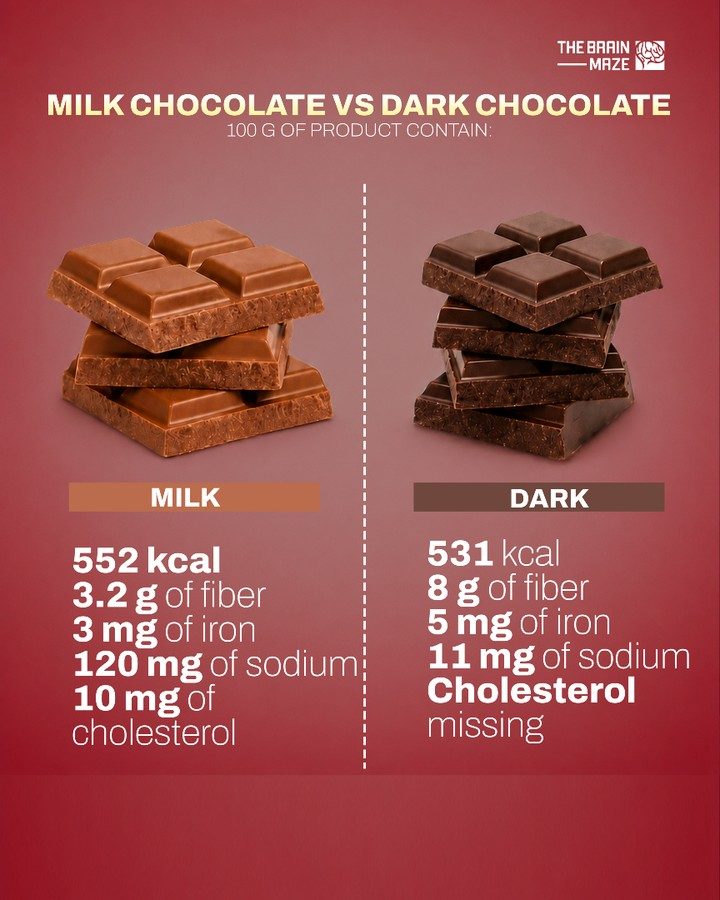
Chocolate Comparison: Nutritional Differences Between Milk and Dark Chocolate
Chocolate comes in various forms, with milk and dark chocolate being the most popular. While they may look similar, their nutritional profiles differ significantly. Understanding these differences can help in making informed choices about which type to consume.
Why This Matters
Chocolate is a beloved treat enjoyed by many, but it's also a calorie-dense food. Knowing the nutritional differences between milk and dark chocolate can help in managing dietary intake and health goals. Dark chocolate, with its higher cocoa content, often boasts a richer antioxidant profile and potential health benefits. Milk chocolate, while sweeter, tends to be less nutrient-dense. This comparison aims to illuminate these distinctions, helping you make more informed snacking choices.
Nutritional Breakdown
Calories
Both milk and dark chocolate are high in calories, with a 100-gram serving of milk chocolate containing 552 kcal and dark chocolate containing 531 kcal. While there isn't a vast difference, dark chocolate has slightly fewer calories.
Fiber
One of the standout differences is the fiber content. Dark chocolate has 8 grams of fiber per 100-gram serving, nearly three times more than milk chocolate, which contains 3.2 grams. Fiber is essential for digestive health and can help in feeling fuller for longer, potentially aiding in weight management.
Iron
Dark chocolate also takes the lead in iron content, offering 5 milligrams per 100-gram serving, compared to milk chocolate's 3 milligrams. Iron is crucial for oxygen transport in the blood and can help prevent anemia.
Sodium
Sodium content is another key difference. Milk chocolate contains 120 milligrams of sodium per 100-gram serving, while dark chocolate has 11 milligrams. For those monitoring their sodium intake, dark chocolate is the better choice.
Cholesterol
Milk chocolate contains 10 milligrams of cholesterol per 100-gram serving, whereas dark chocolate is cholesterol-free. For those concerned about cholesterol levels, dark chocolate is again the preferable option.
Antioxidants and Cocoa Content
Dark chocolate, particularly varieties with at least 75% cocoa, is renowned for its high antioxidant content. These antioxidants can help fight oxidative stress in the body and may contribute to various health benefits. Milk chocolate, with its lower cocoa content, doesn't offer the same antioxidant advantages.
Health Benefits of Dark Chocolate
The rich antioxidant profile of dark chocolate is linked to several potential health benefits. These include improved heart health, better blood flow, and even enhanced brain function. The flavonoids in dark chocolate can help lower blood pressure and reduce the risk of heart disease. Additionally, the minerals and antioxidants in dark chocolate may have anti-inflammatory effects, which can benefit overall health.
The Role of Moderation
While dark chocolate has numerous potential health benefits, it's crucial to consume it in moderation. Chocolate, regardless of type, is high in calories and sugar, which can contribute to weight gain and other health issues if consumed excessively. The key is to enjoy dark chocolate as part of a balanced diet, along with regular physical activity.
Practical Tips
Choosing the Right Chocolate
When selecting chocolate, opt for dark chocolate with at least 75% cocoa content. This type offers the richest antioxidant profile and the most health benefits. However, it's essential to check the ingredients list and avoid chocolates with added sugars and unhealthy fats.
Portion Control
Regardless of the type of chocolate, portion control is vital. Stick to a 1-ounce serving size, which is roughly the size of a small square. This approach helps manage calorie intake and prevents overeating.
Pairing with Healthy Foods
To make your chocolate experience even healthier, pair dark chocolate with nutrient-dense foods. For example, enjoy a small piece of dark chocolate with a handful of nuts, a piece of fresh fruit, or a glass of milk. This combination can enhance the flavor and provide a more balanced snack.
Important Takeaways
Nutritional Differences
- Dark chocolate is lower in calories, higher in fiber, and richer in antioxidants, minerals, and iron.
- Milk chocolate is sweeter and has a higher sodium and cholesterol content.
- Dark chocolate is cholesterol-free.
Health Considerations
- Dark chocolate's antioxidants may support heart health, brain function, and anti-inflammatory properties.
- Consume chocolate in moderation to prevent excessive calorie and sugar intake.
Conclusion
The next time you reach for a chocolate bar, consider the nutritional differences between milk and dark chocolate. While both offer a delightful treat, dark chocolate, especially varieties with at least 75% cocoa, provides more health benefits. However, remember that moderation is key, and chocolate should be part of a balanced diet. Enjoy your chocolate responsibly and savor the rich flavors and potential health advantages it offers.
Watch the Reel
Questions readers ask
What are the main differences in nutritional content between milk and dark chocolate?
The primary differences lie in their caloric content, fiber, sugar, and sodium levels. Dark chocolate is typically lower in calories and sugar, but higher in fiber and iron. Conversely, milk chocolate is lower in fiber, higher in sugar, and contains more sodium.
Does dark chocolate have more health benefits than milk chocolate, and why?
Dark chocolate may offer more health benefits due to its higher cocoa content, which provides a richer antioxidant profile. It also contains less sugar and more fiber than milk chocolate, making it a better choice for those managing their sugar intake or seeking to increase their fiber consumption.
What makes dark chocolate lower in calories, and how does it compare to milk chocolate?
Dark chocolate is lower in calories primarily because it contains less sugar and more cocoa solids, which are lower in calories than milk and sugar. The calorie difference can be significant, with dark chocolate having around 170 calories per ounce compared to milk chocolate's 150 calories, due to the higher sugar content in milk chocolate.
Does milk chocolate contain more sodium, and how does this compare to dark chocolate?
Yes, milk chocolate typically contains more sodium than dark chocolate, as salt is often added to enhance its sweet flavor. Dark chocolate, on the other hand, has a more bitter taste and relies less on added sodium. This difference can be significant, with milk chocolate containing around 40% more sodium than dark chocolate.
How does the fiber content of milk chocolate and dark chocolate compare?
Dark chocolate is higher in fiber due to the higher number of cocoa solids. Milk chocolate has a lower cocoa content and therefore lower fiber. On average, dark chocolate has about 3 grams of fiber per ounce, compared to around 1 gram of fiber in milk chocolate.
Does the iron content vary significantly between milk and dark chocolate?
Yes, dark chocolate is higher in iron than milk chocolate. This is due to the higher cocoa content in dark chocolate, which is naturally rich in iron. Milk chocolate, with its lower cocoa content and higher milk content, contains less iron.
How does dark chocolate compare to milk chocolate in terms of sugar, and how does this affect cholesterol?
Dark chocolate generally contains less sugar and more healthy fats than milk chocolate. Dark chocolate also has a higher content of cocoa butter, which is composed of stearic acid, a type of saturated fat that has little to no effect on cholesterol levels. In contrast, milk chocolate contains more sugar and less cocoa, which can potentially raise cholesterol levels through higher calorie and fat intake.
Related deep dives
Similar reads based on topic and creator.




Recent articles
Fresh deep dives from the latest Reels we unpacked.




Comments
Be the first to comment.