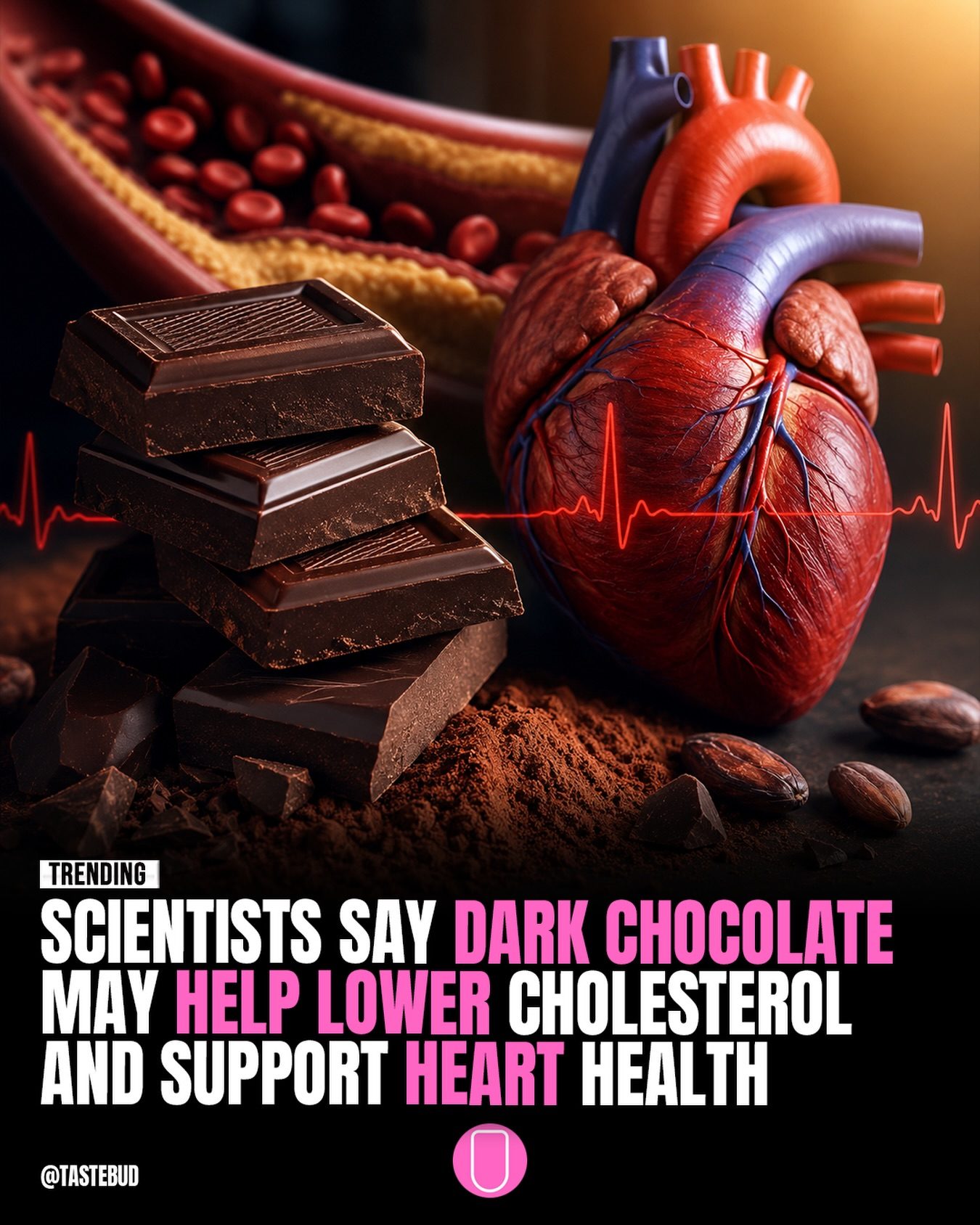
Dark Chocolate and Heart Health
Dark chocolate, particularly varieties rich in cocoa flavanols, has garnered attention for its potential cardiovascular benefits. High-cocoa, low-sugar dark chocolate may support heart health by improving blood vessel function, lowering LDL cholesterol, and enhancing circulation. However, excess sugar and fat in many chocolate products can negate these effects. Let's explore the science behind these claims and how to enjoy dark chocolate as part of a balanced diet.
Why This Matters
Heart disease remains a leading cause of death worldwide. Any potential natural intervention, like dark chocolate consumption, deserves exploration. Understanding the specific benefits and limitations of dark chocolate can help individuals make informed dietary choices.
The Science Behind Dark Chocolate and Heart Health
Cocoa Flavonols and Blood Vessel Function
Cocoa flavanols are plant compounds with antioxidant and anti-inflammatory properties. Research indicates that these compounds may help improve blood vessel function by:
- Promoting vasodilation, or the widening of blood vessels
- Enhancing nitric oxide production, which helps regulate blood flow
- Reducing oxidative stress and inflammation, which can damage blood vessels over time
Dark Chocolate and Cholesterol
High-cocoa dark chocolate has been linked to potential reductions in LDL (bad) cholesterol. Here's how it might work:
- Cocoa flavanols may interfere with the absorption of cholesterol in the gut
- Dark chocolate contains plant sterols, which can compete with cholesterol for absorption
- Some studies suggest that dark chocolate consumption may increase HDL (good) cholesterol levels
Dark Chocolate, Circulation, and Blood Pressure
In addition to cholesterol, dark chocolate may:
- Improve blood flow and circulation by promoting vasodilation
- Help lower blood pressure, although effects may be modest and vary among individuals
Practical Tips for Choosing and Enjoying Dark Chocolate
To maximize potential heart benefits, choose dark chocolate that is:
- High in cocoa content (at least 70%)
- Low in added sugars
- Made with minimal processing to preserve cocoa flavanols
Dark Chocolate Dosing
Most studies investigating dark chocolate's health benefits use doses ranging from 20-40 grams (about 0.7-1.4 ounces) per day.
Pairing Dark Chocolate with Other Heart-Healthy Foods
Enhance the heart benefits of dark chocolate by enjoying it as part of a balanced diet rich in fruits, vegetables, whole grains, lean proteins, and healthy fats. Some tasty and heart-healthy combinations include:
- Dark chocolate and fresh berries
- Dark chocolate and a small handful of nuts
- Dark chocolate paired with Greek yogurt or cottage cheese
- Dark chocolate with a side of fresh fruit
Important Takeaways
While dark chocolate shows promise for supporting heart health, it's essential to remember that:
- The benefits are primarily associated with high-cocoa, low-sugar varieties
- Excessive consumption can lead to unwanted weight gain due to its calorie and fat content
- Dark chocolate should complement, not replace, a balanced diet and regular exercise
Conclusion
Dark chocolate, when chosen and consumed wisely, may offer some heart health benefits. As with any indulgence, moderation is key. To reap the potential advantages, opt for dark chocolate with high cocoa content and minimal added sugars. Always consult a healthcare provider before making significant dietary changes.
Watch the Reel
Questions readers ask
What makes dark chocolate beneficial for heart health?
Dark chocolate, particularly high in cocoa flavanols, may help improve blood vessel function, lower LDL cholesterol, and enhance circulation. These effects are linked to the high concentration of antioxidants and minerals in cocoa.
How much dark chocolate should I consume for heart health benefits?
To reap the heart health benefits, aim for a moderate serving size of around 1 to 2 ounces of dark chocolate with at least 70% cocoa content per day. This amount provides the antioxidants and minerals linked to cardiovascular benefits without adding excessive calories, sugar, and fat.
Can dark chocolate help lower cholesterol levels?
Yes, some studies suggest that dark chocolate rich in cocoa flavanols can help lower LDL cholesterol, which is the 'bad' cholesterol. However, it's important to consume dark chocolate in moderation as part of a balanced diet, to avoid increasing overall calorie and fat intake.
How do cocoa flavanols in dark chocolate support heart health?
Cocoa flavanols are antioxidants that can improve nitric oxide levels in the blood, which helps to relax and widen blood vessels. This process can enhance circulation, reduce blood pressure, and support overall heart health.
What is the best way to enjoy dark chocolate for heart health?
To enjoy dark chocolate for its heart health benefits, choose varieties with at least 70% cocoa content, and limit your intake to 1-2 ounces per day. Pair your dark chocolate with other heart-healthy foods, such as fruits, nuts, and seeds, to create a balanced and satisfying snack.
Related deep dives
Similar reads based on topic and creator.




Recent articles
Fresh deep dives from the latest Reels we unpacked.




Comments
Be the first to comment.