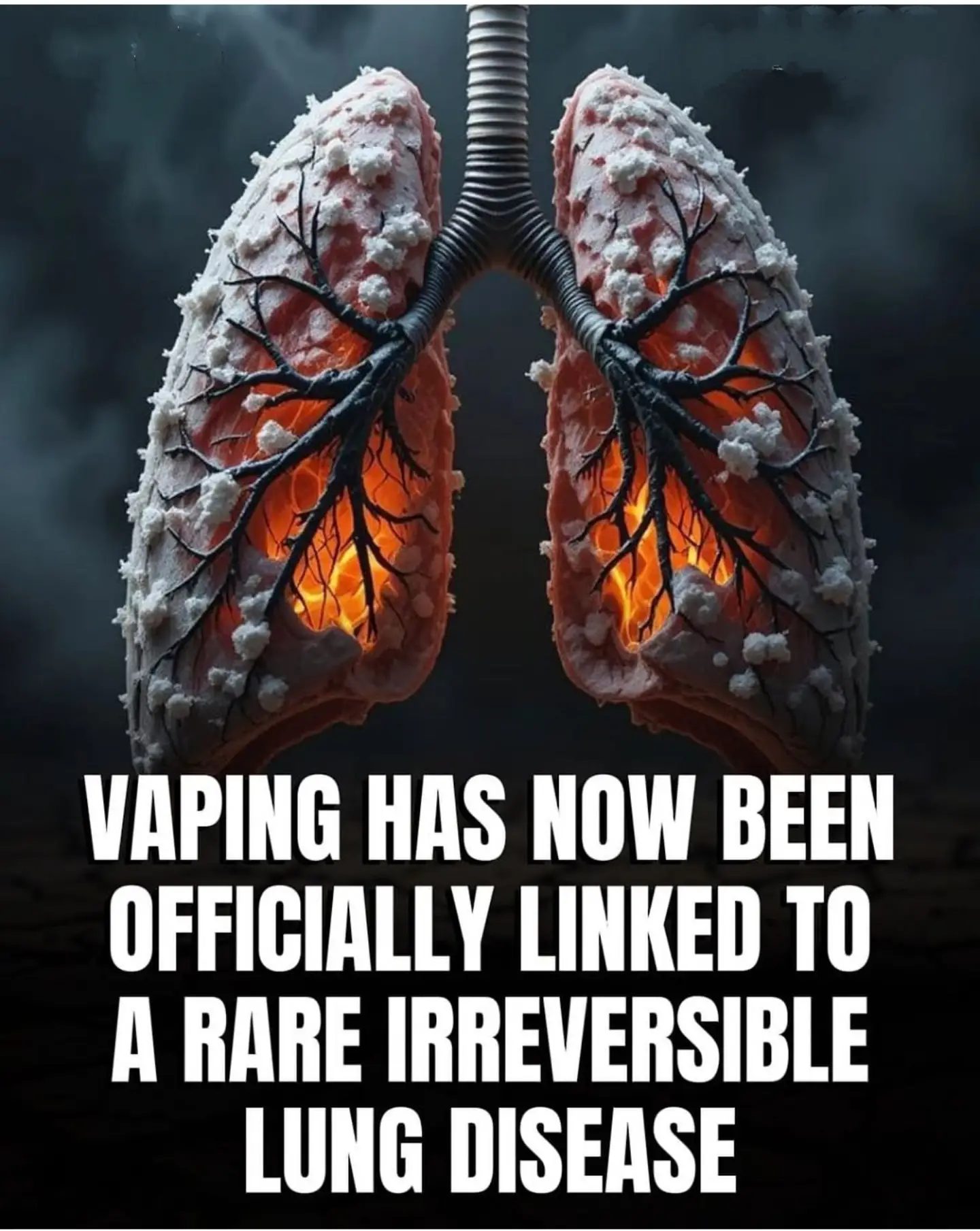
Lung Disease and Vaping
Vaping has surged in popularity, often marketed as a safer alternative to traditional smoking. However, it is crucial to understand that vaping is not merely "water vapor." The aerosols produced by vaping devices can transport a variety of harmful substances deep into the lungs, including nicotine, ultrafine particles, flavoring chemicals, and metals. This has led to serious health concerns, including a rare, irreversible lung disease.
Why This Matters
The misconception that vaping is harmless can lead individuals, especially younger users, to underestimate the risks. Understanding the potential health hazards associated with vaping is essential for making informed decisions. This awareness is particularly important given the rising prevalence of vaping, especially among younger demographics.
The Science Behind Vaping and Lung Health
What Is in Vaping Aerosols?
Vaping involves the inhalation of aerosols produced by heating a liquid, typically containing nicotine, flavorings, and other chemicals. These aerosols are not as benign as they might seem. They can include:
- Nicotine: A highly addictive substance that can harm the brain and body, especially in young people.
- Ultrafine particles: Tiny particles that can penetrate deep into the lungs and potentially enter the bloodstream.
- Flavoring chemicals: Some of these chemicals, such as diacetyl, have been linked to serious lung conditions like bronchiolitis obliterans, or "popcorn lung."
- Metals and other toxic substances: The heating elements in vaping devices can release metals and other harmful substances into the aerosol.
The Impact on Lung Tissue
When inhaled, these substances can cause significant damage to lung tissue. Some users have developed serious lung injuries or scarring that does not simply reverse upon cessation of vaping. This highlights the potential for long-term and potentially irreversible health impacts.
The Risk of Rare Lung Diseases
The link between vaping and a rare, irreversible lung disease underscores the severity of the health risks. This condition, which has been officially recognized, is a stark reminder that vaping is not a harmless activity. While the exact mechanisms and prevalence of this disease are still being studied, the evidence suggests that it is a serious health concern.
The Role of Nicotine in Vaping
Nicotine Addiction
Nicotine is a key component in most vaping liquids. It is highly addictive and can have profound effects on the developing brain. Adolescents and young adults are particularly vulnerable to the addictive properties of nicotine, which can lead to lifelong addiction and associated health risks.
Vaping and Youth
The appeal of vaping among youth is a growing concern. Flavored vaping liquids, in particular, can attract younger users who might not otherwise consider traditional tobacco products. This has led to a rise in nicotine addiction among young people, with potential long-term health consequences.
Practical Tips for Vaping Safety
Know the Risks
Understanding the potential health risks associated with vaping is the first step in making informed decisions. Being aware of the substances in vaping aerosols and their potential impact on lung health can help users make better choices.
Seek Support
For those who are struggling with nicotine addiction or have concerns about their lung health, seeking support from healthcare professionals is crucial. Quitting vaping can be challenging, but with the right resources and support, it is possible to overcome addiction and improve overall health.
Advocate for Awareness
Raising awareness about the potential health risks of vaping is essential. Share this information with friends and family, especially those who might believe vaping is harmless. By spreading accurate information, we can help others make informed decisions and reduce the prevalence of vaping-related health issues.
Important Takeaways
- Vaping is not harmless: The aerosols produced by vaping can transport harmful substances deep into the lungs.
- Serious health risks: Some users have developed serious lung injuries or scarring that does not reverse upon cessation.
- Avoid misconceptions: Understanding the potential dangers can help users make informed decisions.
- Seek support: If you or someone you know is struggling with nicotine addiction or lung health issues, seek professional help.
Conclusion
Vaping is a complex issue with serious health implications. Understanding the potential risks and sharing this information with others is essential for promoting better health outcomes. By being aware of the harmful substances in vaping aerosols and the associated health risks, individuals can make more informed decisions about their health and well-being.
Watch the Reel
Questions readers ask
What are the primary harmful substances found in vaping aerosols?
The primary harmful substances found in vaping aerosols include nicotine, ultrafine particles, flavoring chemicals, and toxic metals. These substances can be inhaled deep into the lungs, posing significant health risks.
Can the lung disease caused by vaping be reversed?
The lung disease associated with vaping, specifically the rare, irreversible lung disease, cannot be reversed. This is one of the most concerning aspects of vaping-related health issues, as the damage to the lungs is permanent.
How does vaping affect lung health compared to traditional smoking?
While vaping is often perceived as a safer alternative to traditional smoking, it can be equally harmful to lung health. Vaping devices produce aerosols that contain harmful substances, which can cause damage to the lungs, including rare, irreversible conditions.
Why is awareness about vaping dangers important for younger users?
A key reason awareness about vaping dangers is important for younger users is that they may have a misconception that vaping is harmless. This can lead them to underestimate the serious health risks, including the potential for developing irreversible lung disease.
What are some of the psychological factors that contribute to the appeal of vaping?
The appeal of vaping can be attributed to several psychological factors, such as the wide variety of enticing flavors, the social aspects of vaping, and the perception that it is a safer, more discrete alternative to traditional smoking. These factors can make it difficult for users to recognize the potential health risks.
Are there any studies showing the long-term effects of vaping on lung health?
While ongoing research aims to fully understand the long-term effects, current findings indicate that vaping can lead to severe, irreversible lung damage. Continuous monitoring and more research are necessary to comprehend the long-term implications fully, but the immediate risks are already well-documented.
Related deep dives
Similar reads based on topic and creator.




Recent articles
Fresh deep dives from the latest Reels we unpacked.




Comments
Be the first to comment.