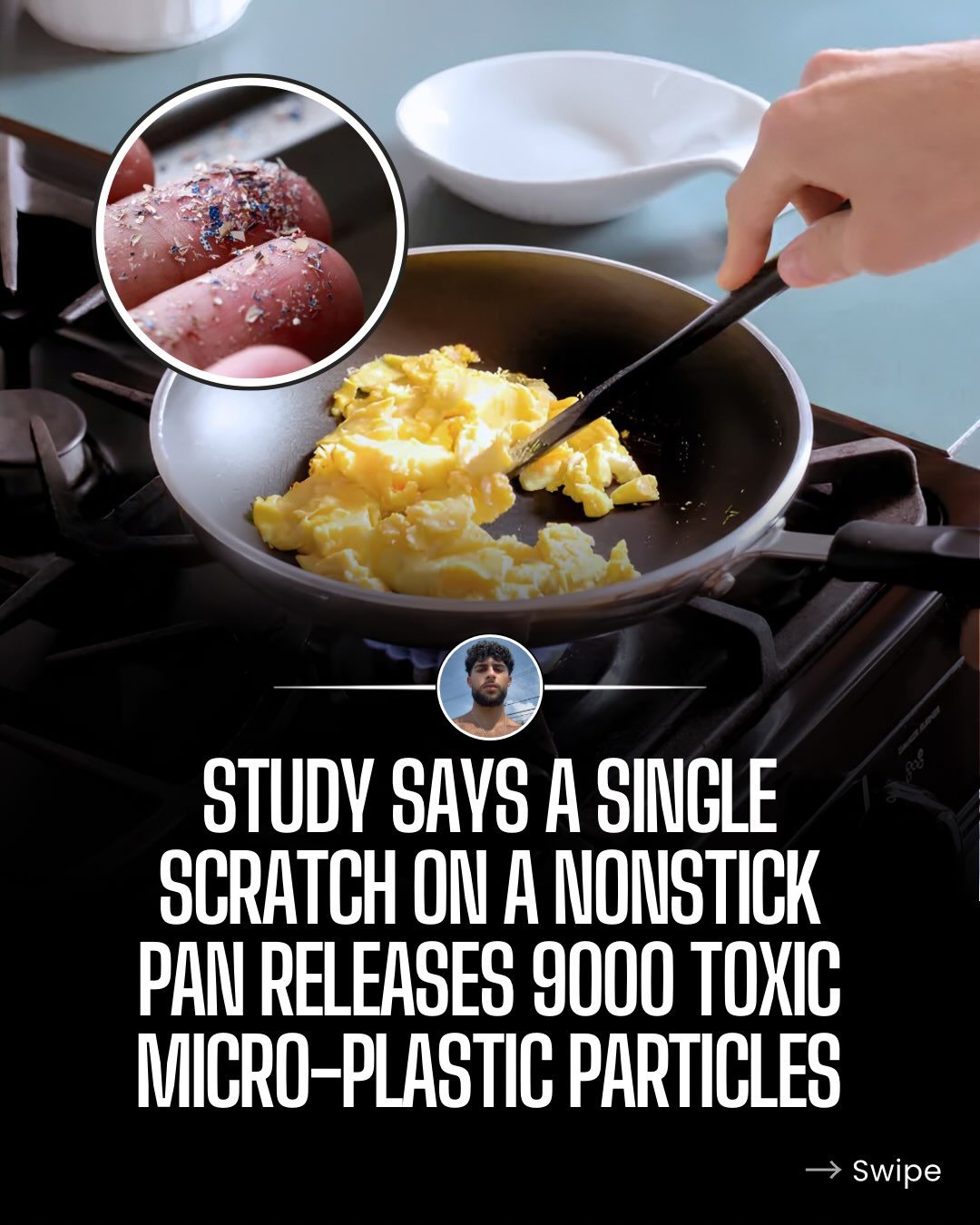
A single scratch on a nonstick pan can release over 9,000 PTFE micro- and nanoplastic particles, according to a 2022 study. This finding raises important questions about the safety and longevity of nonstick cookware, particularly those coated with materials like Teflon. Understanding the implications of these findings can help users make informed decisions about their cookware and cooking practices.
Context: The Importance of Nonstick Pan Safety
Nonstick pans have long been a staple in kitchens worldwide, prized for their convenience and ease of cooking. However, recent studies have shed light on the potential dangers associated with their use, particularly when the nonstick coating is damaged. The release of micro- and nanoplastic particles into food during cooking poses a significant health risk, making it crucial to understand how to use and maintain these pans safely.
The Science Behind the Study
The 2022 study highlighted the release of PTFE (polytetrafluoroethylene) particles from scratched Teflon-coated pans. PTFE is a synthetic fluoropolymer of tetrafluoroethylene, commonly used in nonstick cookware due to its resistance to heat and stickiness. However, when the coating is scratched or damaged, it can release micro- and nanoplastic particles into the food being cooked.
What Are Micro- and Nanoplastic Particles?
Microplastics are tiny plastic particles that measure less than five millimeters in diameter. Nanoplastics are even smaller, measuring less than one micrometer. These particles can be ingested through contaminated food and water, posing potential health risks. While the long-term effects of ingesting these particles are still an area of ongoing research, the potential for harm is a cause for concern.
The Study Findings
The study found that a single scratch on a Teflon-coated pan can release over 9,000 PTFE micro- and nanoplastic particles. This number is alarming, but it pales in comparison to the amount released by damaged pans. Damaged pans were found to release up to 2.3 million microplastic particles, raising significant concerns about the safety of using nonstick pans with signs of wear and tear.
Factors Affecting Microplastic Release
Several factors can influence the release of microplastic particles from nonstick pans. Understanding these factors can help users minimize their exposure to these harmful substances.
Cooking Temperature
High cooking temperatures can accelerate the degradation of the nonstick coating, leading to increased particle release. To minimize this risk, avoid overheating your pans and use low to medium heat settings whenever possible.
Cooking Duration
Prolonged cooking times can also increase the release of microplastic particles. Opt for shorter cooking durations and avoid leaving food unattended in the pan for extended periods.
The Use of Metal Utensils
Using metal utensils on nonstick pans can cause scratches and damages to the coating, leading to the release of microplastic particles. Opt for wooden, silicone, or plastic utensils to minimize the risk of scratching your pans.
Practical Tips for Safe Use of Nonstick Pans
While the findings of the 2022 study are concerning, there are several practical tips you can follow to ensure the safe use of your nonstick pans.
Inspect Your Pans Regularly
Regularly inspect your nonstick pans for signs of wear and tear. If you notice any scratches, discoloration, or warping, it may be time to replace your pan.
Use Appropriate Cooking Methods
Avoid high-heat cooking methods and prolonged cooking times. Opt for low to medium heat settings and use your pans for shorter durations to minimize the release of microplastic particles.
Avoid Overheating
Never leave your nonstick pan unattended on the stove, as overheating can cause the coating to degrade and release harmful particles.
Use Safe Utensils
Opt for wooden, silicone, or plastic utensils instead of metal ones. This will help minimize the risk of scratching your nonstick pans and releasing microplastic particles into your food.
Replace Damaged Pans
If your nonstick pan is damaged, it's best to replace it with a new one. Continued use of a damaged pan can lead to the release of a significant number of microplastic particles, posing a health risk.
Important Takeaways
The safety of nonstick pans is a crucial consideration for anyone using them in their kitchen. The 2022 study highlights the potential dangers associated with the release of micro- and nanoplastic particles from damaged nonstick pans. By understanding these risks and taking practical steps to minimize them, you can continue to enjoy the convenience of nonstick cookware while prioritizing your health and safety.
Conclusion
Nonstick pans offer a convenient and efficient way to prepare meals, but their safety should not be overlooked. By being mindful of the factors that can affect the release of microplastic particles and taking practical steps to minimize this risk, you can continue to use your nonstick pans safely. Regularly inspect your pans, use appropriate cooking methods, and avoid overheating to ensure the longevity and safety of your cookware.
Watch the Reel
Questions readers ask
What are the primary concerns with using scratched Teflon pans?
The primary concerns involve the release of micro- and nanoplastic particles, such as PTFE, into food during cooking. These particles can pose potential health risks, making it crucial to inspect and maintain nonstick pans regularly.
How many micro- and nanoplastic particles can a single scratch on a Teflon pan release?
A single scratch on a nonstick pan can release over 9,000 PTFE micro- and nanoplastic particles, as indicated by a 2022 study. This highlights the importance of avoiding and minimizing scratches on nonstick cookware.
What should I do if my Teflon pan is scratched?
If your Teflon pan is scratched, it is advisable to replace it to avoid the potential release of micro- and nanoplastic particles. Continue using a scratched pan can put you at risk of ingesting these particles during cooking.
Are all nonstick pans equally safe when scratched?
Not all nonstick pans are created equal. Those coated with materials like Teflon (PTFE) are particularly concerning when scratched, as they can release significant amounts of micro- and nanoplastic particles. Always check the specific guidelines for your cookware's material.
How can I minimize the release of microplastics from my nonstick pans?
To minimize the release of microplastics, avoid using metal utensils that can scratch the surface, and do not subject your pans to sudden temperature changes. Additionally, replace any pans that show signs of damage, like scratches or flaking.
What are the potential health risks associated with microplastics from Teflon pans?
The potential health risks associated with microplastics from Teflon pans are not yet fully understood. However, ingesting these particles may pose concerns, particularly with long-term exposure. It is best to minimize intake by maintaining and replacing pans as needed.
Recent articles
Fresh deep dives from the latest Reels we unpacked.




Comments
Be the first to comment.