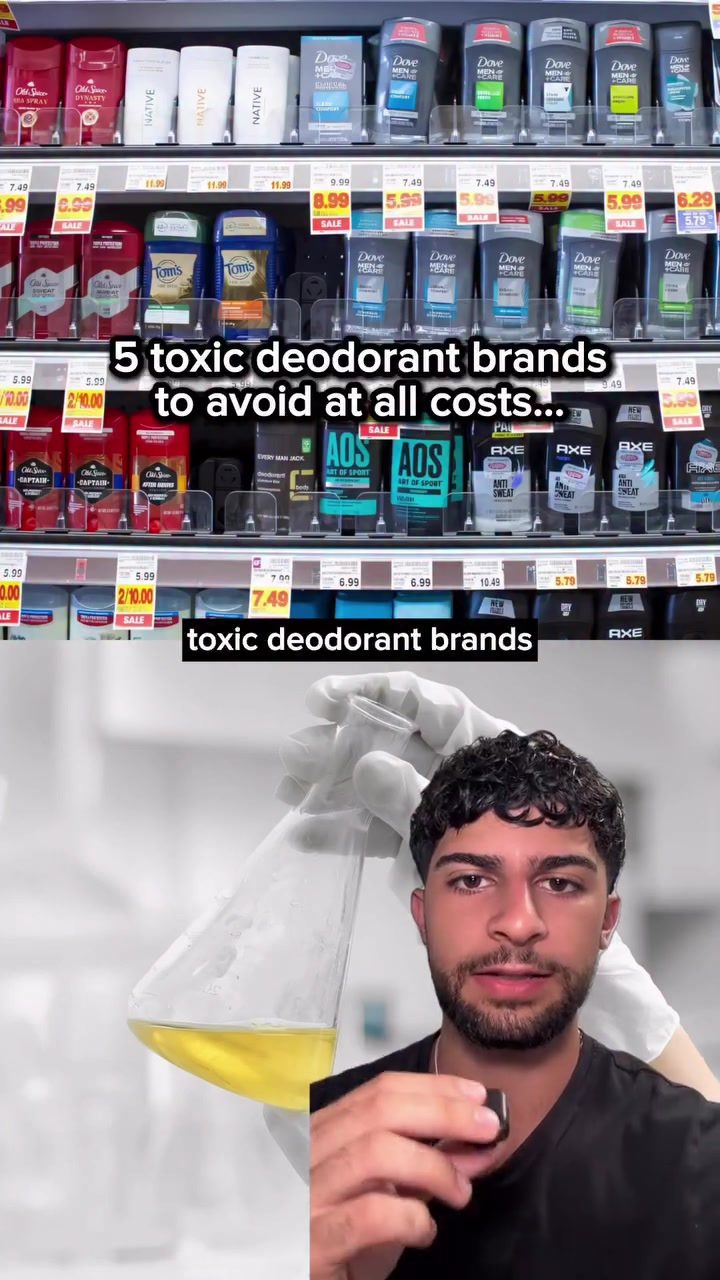
Deodorant Brands to Avoid
Deodorant is a staple in many personal care routines, but not all brands are created equal. Some popular deodorant brands contain ingredients that may pose health risks. Understanding which deodorants to avoid can help protect your health and well-being.
Context: Why This Matters
Deodorants are designed to control odors and, in some cases, reduce sweating. However, many commercial deodorants contain chemicals that can be harmful when absorbed through the skin. Ingredients like parabens, synthetic fragrances, and preservatives have been linked to various health issues. Being aware of these potential hazards can guide you toward safer choices.
Toxic Deodorant Brands to Avoid
Several well-known deodorant brands have been flagged for containing harmful ingredients. Here are five brands to be cautious about:
1. Degree
Degree deodorant contains BHT (butylated hydroxytoluene), a chemical that has been linked to hormone disruption. BHT is commonly used as a preservative in personal care products and food, but its potential to interfere with hormonal balance makes it a concerning ingredient.
2. Old Spice
Old Spice deodorants contain propylene glycol, an ingredient that can cause organ damage and dermatitis. Propylene glycol is a synthetic compound used in a variety of products, including cosmetics and pharmaceuticals. Its potential to cause skin irritation and organ damage makes it a risky choice for regular use.
3. Tom's of Maine
Despite marketing itself as a natural brand, Tom's of Maine has faced legal issues for containing synthetic ingredients. The brand was sued for mislabeling and using synthetic substances, which contradicts its natural and organic claims. Consumers who prioritize natural products should be cautious when choosing Tom's of Maine.
4. Axe
Axe deodorants have been sued for containing benzene, a chemical that has been shown to cause blood cancer. Benzene is a known carcinogen and is often used in industrial settings. Its presence in personal care products raises significant health concerns, especially with prolonged use.
5. Secret
Secret deodorants contain artificial fragrances, which have been linked to various health issues, including infertility. Artificial fragrances often contain a mixture of chemicals, some of which can disrupt hormones and cause other health problems. Choosing fragrance-free or naturally scented deodorants can be a safer alternative.
Safer Deodorant Alternatives
If you're looking for safer deodorant options, consider brands that prioritize natural and non-toxic ingredients. Some recommendations include:
- Based Body Works: Known for their natural and effective deodorants, Based Body Works offers a range of scents and formulations free from harmful chemicals.
- Organic Jaguar: This brand focuses on organic and natural ingredients, providing a safer option for those concerned about chemical exposure.
- Primarily Pure: Primarily Pure deodorants are free from toxins and artificial fragrances, making them a healthier choice for daily use.
- Hygiene Lab: Hygiene Lab offers a variety of deodorant options that are gentle on the skin and effective at controlling odors.
Practical Tips for Choosing a Safe Deodorant
When selecting a deodorant, consider the following tips to ensure you're making a safe choice:
- Read the Label: Check the ingredient list for any known harmful chemicals. Avoid deodorants that contain parabens, synthetic fragrances, and preservatives like BHT and propylene glycol.
- Opt for Natural: Choose deodorants that use natural and organic ingredients. These products are less likely to contain harmful chemicals and are often gentler on the skin.
- Avoid Artificial Fragrances: Artificial fragrances can contain a mixture of chemicals that may be harmful. Opt for fragrance-free or naturally scented deodorants.
- Check for Certifications: Look for certifications from organizations like the Environmental Working Group (EWG) or the Leaping Bunny Program, which ensure that products are safe and cruelty-free.
Important Takeaways
Choosing a deodorant involves more than just selecting a scent. It's crucial to consider the ingredients and their potential health impacts. By avoiding brands known for containing harmful chemicals and opting for safer alternatives, you can protect your health and well-being.
Conclusion
Deodorant is an essential part of personal hygiene, but it's important to be mindful of the ingredients in the products you use. By avoiding toxic deodorant brands and opting for safer alternatives, you can reduce your exposure to harmful chemicals and maintain your overall health. Making informed choices in your personal care routine can have a significant impact on your well-being.
Watch the Reel
Questions readers ask
What are some common ingredients in deodorants that are linked to health issues?
Ingredients like parabens, synthetic fragrances, and preservatives in deodorants have been linked to various health issues. These chemicals can potentially disrupt hormones, cause allergic reactions, and even lead to more serious health concerns when absorbed through the skin over time. Some of these chemicals are absorbed into the skin and can accumulate in the body.
Why should I avoid deodorants with synthetic fragrances?
Synthetic fragrances in deodorants can contain a mix of potentially harmful chemicals. These can cause skin irritation, allergic reactions, and respiratory issues. Additionally, synthetic fragrances are often not fully disclosed on product labels, making it difficult to know exactly what you're exposing your body to.
Are there any specific deodorant brands that are known to be harmful?
Yes, several well-known brands, such as Axe and Old Spice, have been flagged for containing ingredients that may pose health risks. These brands often use parabens, synthetic fragrances, and other preservatives that have been linked to various health concerns. It's important to check the labels and opt for safer, non-toxic alternatives.
What are some of the health risks associated with parabens in deodorants?
Parabens are commonly used as preservatives in deodorants, but they have been linked to potential health risks. Studies suggest that parabens can mimic estrogen in the body, which may disrupt hormonal balance and potentially contribute to reproductive issues and even certain types of cancer.
What are some safer alternatives to commercial deodorants?
Opt for natural deodorant alternatives that are free from parabens, synthetic fragrances, and other harmful preservatives. Look for products that use ingredients like baking soda, coconut oil, and essential oils. These natural deodorants often provide effective odor control without the potential health risks associated with commercial brands. Always check the labels to ensure the product aligns with your health and wellness goals.
What are some of the symptoms of irritant dermatitis caused by deodorants?
Irritant dermatitis caused by deodorants can manifest as redness, itching, burning, and dryness of the skin. In more severe cases, it can lead to blistering and swelling. If you experience these symptoms after using a deodorant, it may be best to switch to a deodorant that is free from potential irritants and fragrances.
How can I find a deodorant that is free from harmful chemicals?
To find a deodorant free from harmful chemicals, look for products that explicitly state they are free from parabens, synthetic fragrances, and preservatives. Check the labels for ingredients and consider brands that are known for their commitment to natural, non-toxic products. You can also look for certifications from organizations that verify the absence of harmful chemicals in personal care products.
Recent articles
Fresh deep dives from the latest Reels we unpacked.




Comments
Be the first to comment.