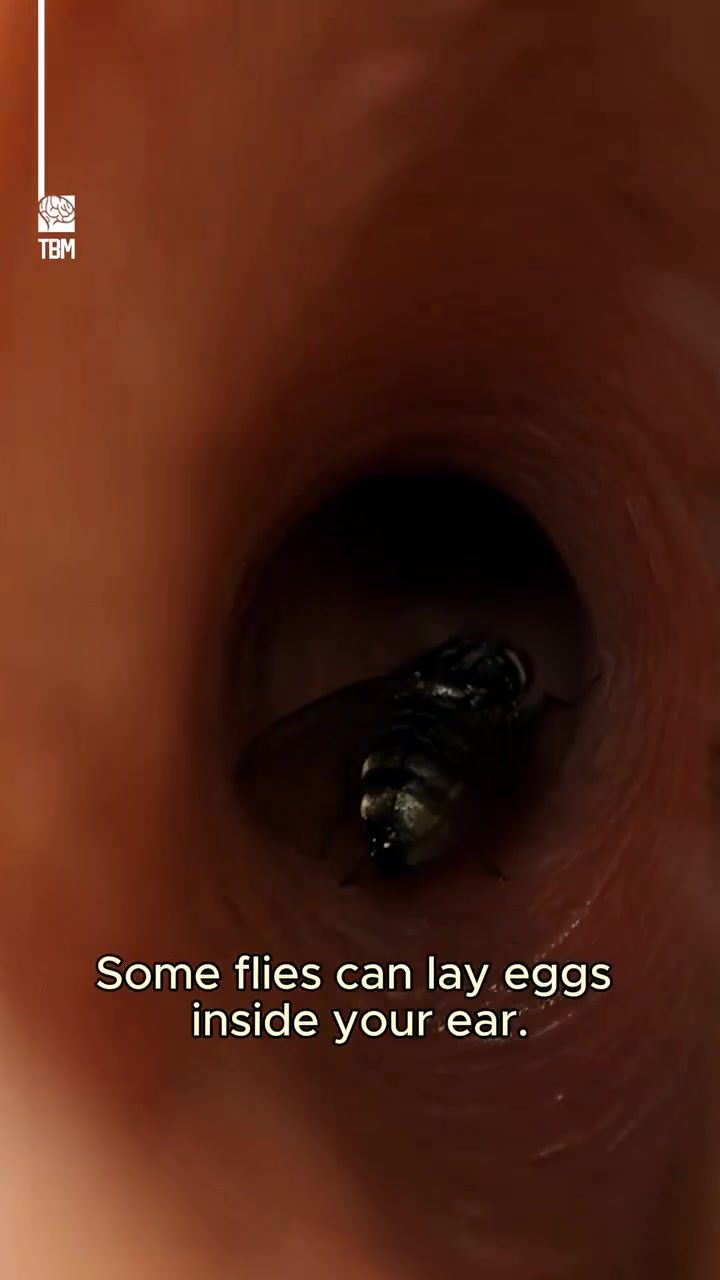
Ear Parasites: Understanding the Dangers of Fly Eggs in the Human Ear
Fly eggs in the human ear might sound like something out of a horror movie, but it is a rare, yet real, medical condition. This phenomenon, known as myiasis, occurs when fly larvae invade living tissue. Understanding how this happens, the signs to look out for, and the potential dangers is crucial for recognizing and treating this condition promptly.
Why This Matters
Myiasis is a serious health concern that can lead to significant complications if left untreated. Recognizing the early signs and understanding the progression of this condition can help individuals seek medical attention before it becomes life-threatening. This condition is particularly relevant in warm, moist environments and can be linked to poor hygiene or existing ear infections.
The Condition of Myiasis
Causes and Risk Factors
Myiasis can occur in warm, moist environments, particularly in areas with poor hygiene or existing ear infections. Flies are attracted to these conditions and will deposit their eggs in the ear canal. Once the eggs hatch, the larvae feed on the surrounding tissue, using tiny hooks to stay attached inside the canal.
Progression of Symptoms
In severe cases, many maggots can develop simultaneously, leading to intense pain, hearing loss, and inflammation. These symptoms can become life-threatening if not treated promptly. Medical intervention is crucial to remove the larvae using specialized instruments, ensuring no damage occurs to the delicate structures of the ear.
Early Signs of Myiasis
Early signs of myiasis can include:
- Itching or discomfort in the ear
- Discharge from the ear
- Hearing loss or reduced hearing
- Ear pain or a sensation of something moving inside the ear
If you experience any of these symptoms, it is essential to seek medical attention immediately.
Main Discussion
The Science Behind Fly Eggs in the Human Ear
The fly species most commonly associated with myiasis in humans are those that lay their eggs in decaying matter or open wounds. These flies are attracted to the warmth and moisture of the ear canal, especially when there is an existing infection or poor hygiene. Once the eggs are deposited, they hatch into larvae that feed on the surrounding tissue.
How the Larvae Attach and Feed
Larvae use tiny hooks to stay attached inside the ear canal, making it difficult to remove them without specialized medical tools. This attachment allows the larvae to feed continuously, leading to the progression of symptoms and potential tissue damage.
Treatment and Removal
Doctors must carefully remove the larvae with specialized instruments to avoid damaging the delicate structures of the ear. This process requires medical expertise to ensure that all larvae are removed and no complications arise. Prompt and accurate diagnosis is crucial to prevent further health issues.
Complications and Long-Term Effects
If left untreated, myiasis can lead to severe complications, including:
- Permanent hearing loss
- Chronic ear infections
- Tissue damage and scarring
- Inflammation and infection spread
These complications can significantly impact an individual's quality of life, making prompt medical intervention essential.
Practical Tips
Preventing Myiasis
Preventing myiasis involves maintaining good hygiene practices and avoiding conditions that attract flies. Here are some practical tips:
- Keep Ears Clean: Regularly clean your ears using a damp cloth or cotton swab, but avoid inserting anything deeply into the ear canal.
- Avoid Moisture: Keep your ears dry, especially during and after activities that involve water, such as swimming or bathing.
- Use Earplugs: When in environments with a high risk of fly presence, use earplugs to prevent flies from entering the ear canal.
- Treat Ear Infections: If you have an ear infection, seek medical treatment promptly to prevent fly attraction and potential myiasis.
When to Seek Medical Attention
Seek immediate medical attention if you experience any of the following:
- Persistent ear discomfort or pain
- Discharge from the ear
- Reduced hearing or hearing loss
- A sensation of movement inside the ear
Prompt medical intervention can prevent the condition from worsening and help protect your hearing and overall health.
Important Takeaways
Myiasis is a rare but serious condition that requires urgent medical treatment. Understanding the causes, progression, and treatment of myiasis is essential for preventing complications and ensuring prompt intervention. Maintaining good hygiene, avoiding conditions that attract flies, and seeking medical attention at the first sign of symptoms can help prevent the development of myiasis.
Conclusion
Fly eggs in the human ear, while rare, are a serious health concern that can lead to significant complications if left untreated. By recognizing the early signs, understanding the causes, and seeking prompt medical intervention, individuals can protect their health and prevent long-term damage. Always prioritize good hygiene and seek medical attention if you experience any symptoms related to myiasis. Prompt treatment can make a significant difference in the outcome and prevent potential long-term effects.
Watch the Reel
Questions readers ask
What are the initial signs of fly eggs in the human ear?
The earliest signs of fly eggs in the human ear, or myiasis, often include ear itching, discomfort, or a feeling of fullness in the ear. Some individuals may also experience a foul odor coming from the ear or notice a discharge.
How do flies lay eggs in the human ear?
Flies are attracted to moist, warm environments and can lay their eggs in the ear canal, especially when hygiene is poor. The eggs hatch into larvae, which then feed on the living tissue, leading to myiasis.
What are the potential complications of untreated myiasis in the ear?
Untreated myiasis can lead to severe complications, including intense ear pain, significant hearing loss, and inflammation. In some cases, the infection can spread to other parts of the body, posing a serious health risk.
What should you do if you suspect fly eggs in your ear?
If you suspect fly eggs in your ear, it is crucial to seek medical attention immediately. Do not attempt to remove the larvae yourself, as this can push them further into the ear canal and cause more damage. A healthcare professional will use specialized tools to safely remove the larvae.
Are there specific environments where the risk of myiasis is higher?
The risk of myiasis is higher in warm, moist environments. This includes tropical regions and areas with poor sanitation. Individuals who work outdoors, such as farmers or gardeners, may also be at a higher risk of fly eggs in the ear.
Can myiasis cause permanent hearing loss?
Yes, if left untreated, myiasis can cause permanent hearing loss. This is due to the damage caused by the larvae feeding on the living tissue in the ear. Prompt treatment is essential to minimize the risk of permanent hearing damage.
Is myiasis contagious?
Myiasis itself is not contagious; it cannot be transmitted from one person to another. However, the flies that lay the eggs can be attracted to poor hygiene conditions, which may be shared among individuals. Maintaining good hygiene practices can help prevent the condition.
Related deep dives
Similar reads based on topic and creator.


Recent articles
Fresh deep dives from the latest Reels we unpacked.




Comments
Be the first to comment.