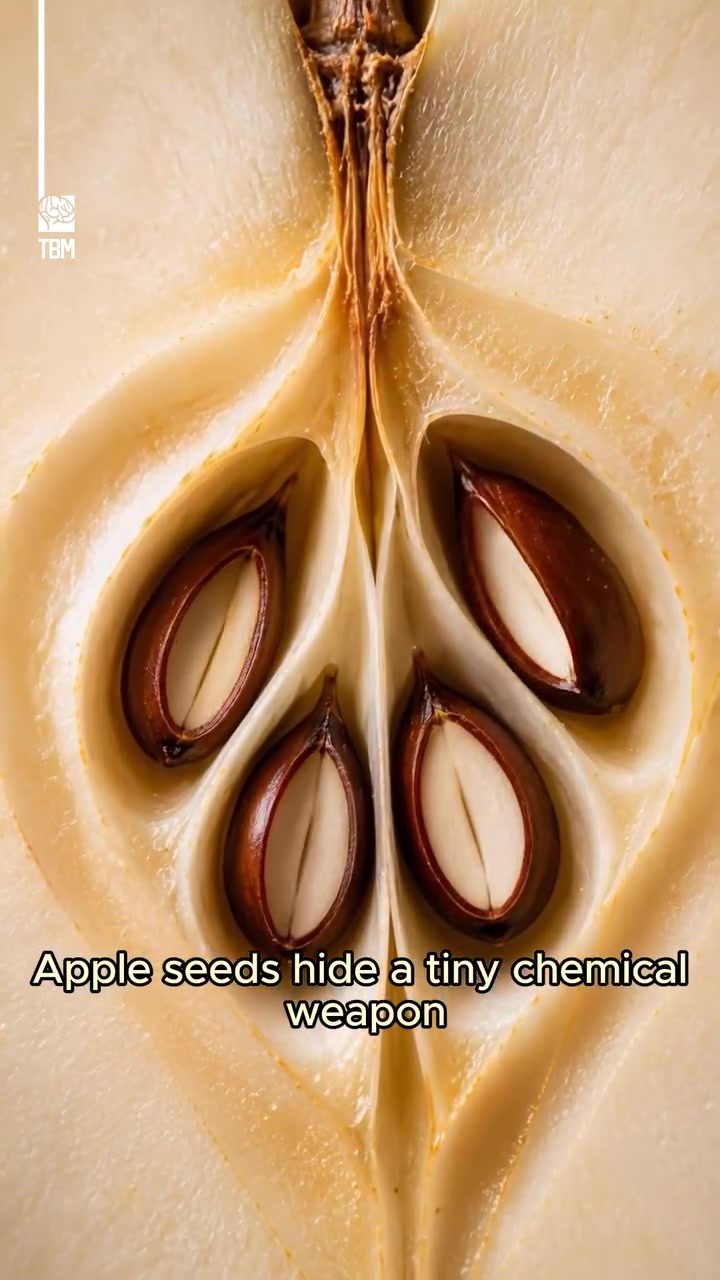
Apple Seeds and Cyanide
Apple seeds might seem like an innocent byproduct of enjoying a juicy apple, but they hide a surprising secret: a tiny chemical weapon. Each seed contains a compound called amygdalin, which is capable of releasing cyanide. Cyanide is a potent poison that can be lethal by blocking your cells from using oxygen, leading to suffocation from within.
Why This Matters
Understanding the potential risks associated with apple seeds is important for anyone who enjoys apples. While it’s easy to dismiss these tiny seeds as harmless, knowing the chemical composition and effects can help prevent accidental poisoning. This knowledge can be crucial for parents, caregivers, and anyone who handles or consumes apples regularly. Understanding the difference between ingesting whole seeds and chewing them can make a significant difference in safety.
Main Discussion
The Compound: Amygdalin
Amygdalin is the compound found in apple seeds that can release cyanide. When the seeds are crushed, chewed, or digested, this compound transforms and releases cyanide. This chemical reaction is what makes apple seeds potentially dangerous. Cyanide works by blocking the cells from using oxygen, which can lead to suffocation and severe health issues.
The Dangers of Cyanide
Cyanide is a highly toxic substance that interferes with the body’s ability to use oxygen. It binds to the iron in the cells, preventing them from absorbing oxygen and leading to cellular suffocation. This can cause symptoms such as dizziness, confusion, shortness of breath, and in severe cases, loss of consciousness and death. The impact of cyanide is rapid and can be life-threatening if not treated immediately.
How Many Seeds Are Dangerous?
Swallowing a few whole apple seeds is generally harmless because they often pass through the digestive system undigested. The danger arises when you chew or grind a large number of seeds. Crushing the seeds releases the amygdalin, allowing it to convert to cyanide in the digestive tract. Consuming and thoroughly chewing a significant number of seeds can lead to serious poisoning. However, the exact number of seeds required for serious harm is not well-defined and can vary based on individual health and the amount of cyanide released.
Safe Consumption: Whole vs. Crushed Seeds
The key difference in safety lies in whether the seeds are whole or crushed. Whole seeds are less likely to release cyanide, as the outer layer of the seed prevents the release of compounds. In contrast, crushed or chewed seeds can release the amygdalin, converting it to cyanide and posing a serious health risk. For this reason, it’s crucial to avoid chewing or grinding apple seeds and to discard them if possible.
Practical Tips
Safety Precautions
To ensure safety, especially for children, it’s important to take the following precautions:
- Discard the Seeds: After eating an apple, discard the seeds. If you’re core-preparing apples for baking or cooking, always remove the seeds and core.
- Supervise Small Children: Keep an eye on children while they’re eating apples. Young children are more likely to chew or eat seeds.
- Avoid Seed-crusted Food: Be cautious of baked goods that might include apple seeds, such as apple pie or apple crisp. Ensure the seeds are removed before consumption.
Immediate Response to Suspected Poisoning
If you or someone else has consumed a large number of crushed or chewed apple seeds and exhibits symptoms such as dizziness, confusion, or shortness of breath, seek immediate medical attention. Medical professionals can provide the necessary treatment, which often involves administering an injection of an antidote to counteract the effects of cyanide.
Important Takeaways
Apple seeds contain a compound called amygdalin, which can release cyanide when crushed, chewed, or digested. Cyanide is deadly because it prevents cells from using oxygen, leading to suffocation. While swallowing a few whole seeds is generally harmless, chewing or consuming a large quantity of crushed seeds can be dangerous. Apple seeds may be safe, but their seeds conceal a potentially deadly secret.
Conclusion
Apple seeds, while small and often overlooked, contain a potent toxin that can pose a significant health risk if not handled properly. Understanding the chemical composition and effects of apple seeds can help prevent accidental poisoning and ensure safe consumption. Always discard apple seeds, especially when cooking or preparing food for children, to avoid any potential health risks.
Watch the Reel
Questions readers ask
What makes apple seeds dangerous?
Apple seeds contain amygdalin, a compound that releases cyanide when crushed or chewed. The released cyanide can be harmful as cyanide blocks your cells from getting oxygen.
How much cyanide is in an apple seed?
The amount of cyanide in an apple seed is relatively small, but it can be dangerous if large quantities of seeds are ingested, or if the seeds are crushed and consumed. It can take around 150-300 mg of cyanide to be toxic and there are about 20-30mg in a single seed.
What happens if you accidentally swallow whole apple seeds?
If you accidentally swallow whole apple seeds, it is unlikely to cause harm. The seed's hard coat prevents the release of cyanide. However, it is always best to avoid swallowing them entirely. Ingestion of whole seeds is not advised.
Why can't we consume apple seeds?
Apple seeds should not be consumed because they contain a cyanide releasing compound called amygdalin. Cyanide is a harmful substance that can be lethal in large amounts. It is important to spit out the seeds while eating apples.
Are there any symptoms of apple seed poisoning?
Symptoms of apple seed poisoning may include dizziness, headache, rapid heartbeat, shortness of breath, and in severe cases, loss of consciousness or even death. If you suspect poisoning, seek immediate medical attention.
How can I avoid the dangers of apple seeds?
To avoid the dangers of apple seeds, simply spit them out while eating an apple. Never intentionally consume the seeds. When preparing apples for younger children or pets, ensure that the seeds are removed.
Recent articles
Fresh deep dives from the latest Reels we unpacked.




Comments
Be the first to comment.