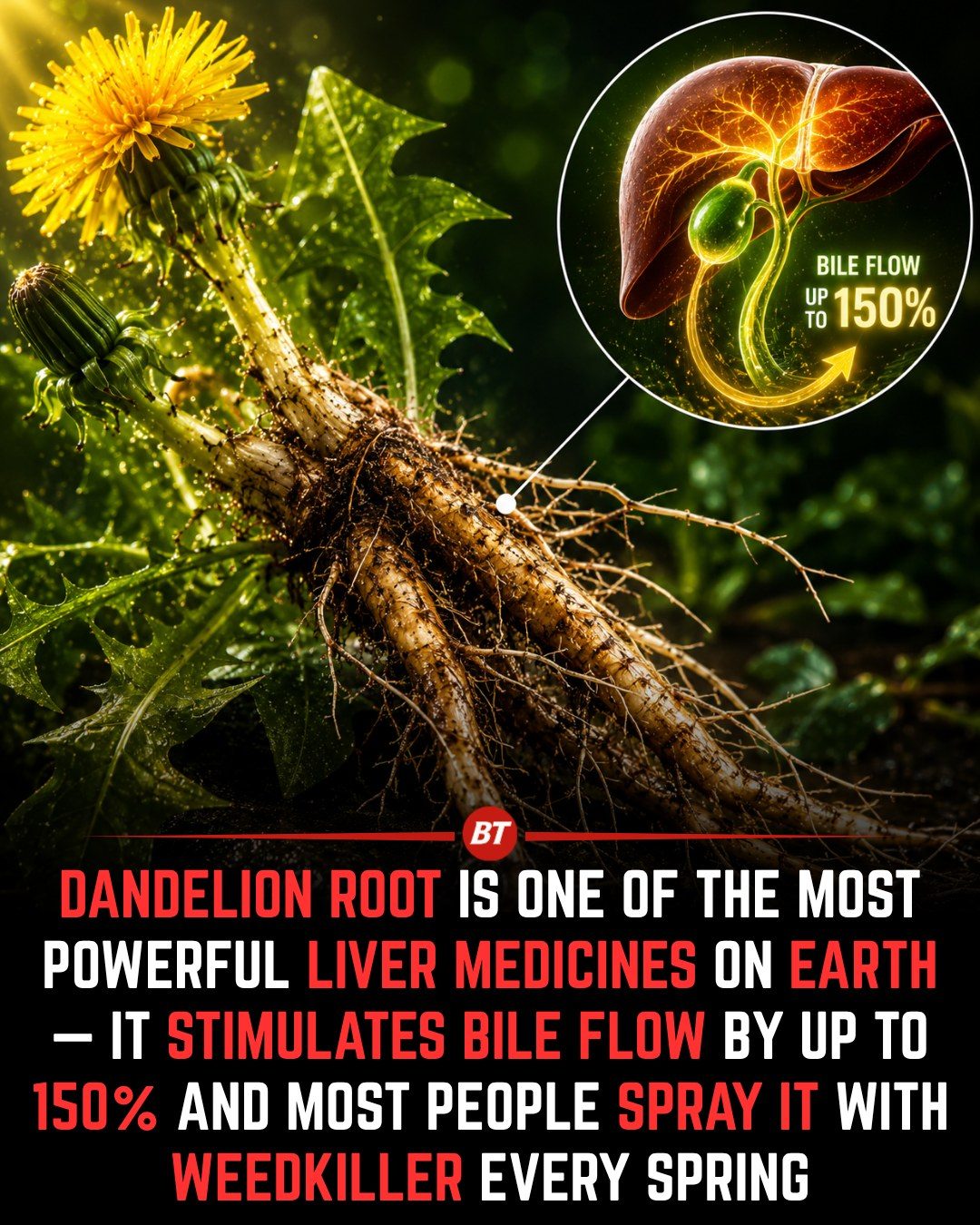
Dandelion Root: Benefits and Uses
Dandelion root, often dismissed as a common lawn weed, harbors a wealth of health benefits that have been recognized in traditional medicines for centuries. This humble plant, particularly its root, has been celebrated for its potential to support liver health, digestion, and overall wellness. Let's delve into the fascinating world of dandelion root, exploring its historical uses, scientific backing, and practical applications.
Context: Why Dandelion Root Matters
Dandelion root is not just a pesky weed; it has a rich history in Traditional Chinese Medicine (TCM) and European herbal medicine. Its use spans centuries, with practitioners employing it to support digestion and liver function. Modern science is now catching up, investigating the unique compounds in dandelion root that may contribute to its health benefits. These compounds include sesquiterpene lactones, inulin, polyphenols, and flavonoids.
Main Discussion
Historical and Cultural Significance
Dandelion root has a long-standing reputation in traditional medicines. In TCM, it has been used to detoxify the body and support the liver. Similarly, in European herbal medicine, dandelion root has been a staple for promoting digestion and liver health. This historical use has paved the way for contemporary scientific research, which aims to validate these traditional claims.
Scientific Evidence
Modern researchers are particularly interested in dandelion root's ability to stimulate bile production and flow. Bile, produced by the liver and stored in the gallbladder, is crucial for digesting fats and eliminating cholesterol and certain waste products. Laboratory and animal studies suggest that dandelion root can enhance these digestive processes. While more human clinical trials are needed to confirm these effects, the preliminary findings are promising.
Key Compounds in Dandelion Root
The efficacy of dandelion root can be attributed to several key compounds:
- Sesquiterpene lactones: These compounds have been studied for their potential anti-inflammatory and antioxidant properties, which may help protect liver cells from oxidative stress.
- Inulin: A type of prebiotic fiber, inulin nourishes beneficial gut bacteria, highlighting the close relationship between gut health and liver health through the gut–liver axis.
- Polyphenols and flavonoids: These antioxidants are known for their ability to combat oxidative stress, which can damage liver cells over time.
The Irony of Modern Practices
Despite its numerous health benefits, dandelion root is often sprayed with weedkiller every spring, a practice that ironically negates its potential benefits. This highlights a misconception about the plant, which is often overlooked due to its ubiquity in lawns and gardens.
Practical Tips
Incorporating Dandelion Root into Your Diet
Roasted dandelion root tea is a popular way to enjoy the benefits of this herb. It has a rich, coffee-like flavor and can be enjoyed on its own or blended with cinnamon or ginger. For those with gallbladder disease or who are taking certain medications, it's advisable to check with a healthcare provider before using herbal supplements.
Harvesting and Preparing Dandelion Root
If you're interested in harvesting dandelion root from your own yard, make sure it’s from an area that hasn’t been treated with herbicides or pesticides. Here’s a simple guide to preparing dandelion root tea:
- Harvesting: Dig up the roots from a healthy dandelion plant. The best time to harvest is in the fall when the plant has stored the most nutrients in its roots.
- Cleaning: Wash the roots thoroughly to remove any dirt. You can also peel off the outer layer if desired.
- Roasting: Spread the roots on a baking sheet and roast in the oven at a low temperature (around 200°F or 93°C) for about 30 minutes, or until the roots are dry and slightly crispy. This process helps to reduce any bitterness.
- Brewing: Grind the roasted roots into a coarse powder. You can then brew this powder like tea, using about 1-2 teaspoons per cup of hot water. Let it steep for 10-15 minutes before straining and enjoying.
Alternative Uses
Beyond tea, dandelion root can also be used in tinctures, extracts, and even culinary dishes. Its versatility makes it a valuable addition to any natural health regimen.
Important Takeaways
- Historical Use: Dandelion root has a long history in traditional medicines, where it has been used to support digestion and liver health.
- Scientific Interest: Modern research is uncovering the potential health benefits of dandelion root, particularly its ability to stimulate bile production and protect liver cells.
- Key Compounds: The efficacy of dandelion root can be attributed to compounds like sesquiterpene lactones, inulin, polyphenols, and flavonoids.
- Modern Misconceptions: Despite its benefits, dandelion root is often sprayed with weedkiller, negating its potential health advantages.
Conclusion
Dandelion root, a humble plant often overlooked as a weed, holds a wealth of health benefits. Its historical use in traditional medicines and growing body of scientific research underscore its potential to support liver health and digestion. By incorporating dandelion root into your diet or wellness routine, you can tap into centuries of traditional wisdom and modern scientific discovery. Whether through tea, tinctures, or other preparations, dandelion root offers a natural and effective way to enhance your overall well-being.
Watch the Reel
Questions readers ask
What are the primary health benefits of dandelion root?
Dandelion root is renowned for its ability to support liver function, aid in digestion, and promote overall wellness. It has been traditionally used to help with detoxification processes and enhance bile flow, which is crucial for breaking down fats. Additionally, it may help improve gut health and support natural liver cleansing processes.
How does dandelion root support liver health?
Dandelion root contains compounds that can help stimulate bile production and flow, which is essential for liver function. By improving bile flow, dandelion root can assist in the liver's natural detoxification processes and may help reduce the buildup of toxins. This makes it a popular choice for those looking to maintain a healthy liver.
Can dandelion root aid in digestion?
Yes, dandelion root has been traditionally used to improve digestive health. Its natural compounds can help stimulate digestive secretions and encourage the appetite. It also supports the liver in processing fats, which in turn can help reduce digestive discomfort and bloating.
Are there any traditional medicines that use dandelion root?
Yes, dandelion root has a long history in both Traditional Chinese Medicine (TCM) and European herbal medicine. It has been used for centuries to support digestion, improve liver function, and overall well-being. Its use in these traditional medicines is a testament to its enduring potential health benefits.
What is the best time of year to harvest dandelion root?
The best time to harvest dandelion root is in the early spring, just as the plant begins to flower. At this time, the root is at its most potent, containing the highest concentration of beneficial compounds. Harvesting during this period ensures you get the most out of the plant's natural properties.
Related deep dives
Similar reads based on topic and creator.




Recent articles
Fresh deep dives from the latest Reels we unpacked.




Comments
Be the first to comment.